
10 Fermented Foods For Gut Health You Must Try
Midday slump meets your favorite mug. It’s that moment when you almost instinctively reach for caffeine or a sugary snack, but you hesitate. What if there was something much better for your gut and overall well-being? Fermented foods might just be the answer you didn’t know you were looking for.
In recent years, research has illuminated the strong link between gut health and overall wellness. A healthy gut microbiome can boost your immune system, improve your mood, and even enhance your skin health. So, what if you could boost your gut health simply by incorporating delicious foods into your diet? Here’s your guide to ten fermented foods that can help nurture your gut flora.
Contents
1. Yogurt
Yogurt has long been celebrated for its probiotic content. Full, creamy, and tangy, it’s not just a breakfast choice; it can be a base for smoothies or a topping for savory dishes.
Benefits
The fermentation process breaks down lactose, making yogurt easier to digest for those with lactose intolerance. Studies suggest that yogurt can improve gut flora balance and boost your immune response (Cani, 2023).
Limitations
Not all yogurt is created equal. Many commercial brands are loaded with sugars, which can counteract the benefits. Look for plain, unsweetened varieties with “live and active cultures” on the label.
2. Kimchi
Originating from Korea, kimchi is a spicy fermented cabbage dish that packs a flavor punch and a plethora of gut-friendly benefits. It’s typically made with fermented vegetables, primarily napa cabbage and radishes, along with a blend of seasonings.
Benefits
Rich in probiotics, kimchi is known for its ability to enhance digestion and provide an immune boost (Choi et al., 2023). Its high fiber content also supports regular bowel movements.
Limitations
Some people may find the spiciness of kimchi overwhelming, especially if they’re not accustomed to it. If you have a sensitive stomach, start with small amounts.
3. Sauerkraut
This tangy side dish of fermented cabbage has roots in many cultures. Not only is it delicious, but it’s also incredibly versatile.
Benefits
Sauerkraut is replete with vitamins C and K and contains probiotics that can help alleviate digestive issues (O’Callaghan et al., 2023). Its fermentation process enhances nutrient absorption, making it a great addition to meals.
Limitations
Again, watch out for added sugars or preservatives in store-bought versions. Homemade sauerkraut can be simple and rewarding, plus you can control the ingredients.
4. Kombucha
This fizzy drink, made from black or green tea, has gained popularity in recent years. The fermentation process involves a symbiotic culture of bacteria and yeast, known as SCOBY.
Benefits
Kombucha is not only refreshing, but it’s also full of antioxidants and can improve gut health. Some studies indicate it may boost liver function and provide detoxifying benefits (Kozlowska et al., 2023).
Limitations
The sugar content can vary widely, so it’s essential to check labels. Additionally, because it’s a fermented beverage, some people may experience digestive discomfort if they are new to it.
5. Miso
This traditional Japanese seasoning is made from fermented soybeans and is a staple in miso soup. It’s rich in umami flavor and is highly nutritious.
Benefits
Miso is a great source of protein and contains various vitamins and minerals, as well as probiotics (Shimada et al., 2023). Some studies suggest miso can support gut health and contribute to a balanced microbiome.
Limitations
As a fermented product, miso is high in sodium, which could be a concern for those managing blood pressure. Use it sparingly in recipes to avoid excess sodium intake.
6. Tempeh
Another soy-based product, tempeh is known for its nutty flavor and firm texture. It’s made by fermenting cooked soybeans, and the fermentation process increases its nutritional value.
Benefits
Tempeh is loaded with protein, fiber, and vitamins. It also acts as a prebiotic, which helps nourish probiotics already in your gut (Rizvi et al., 2023).
Limitations
Like miso, tempeh is soy-based, which some individuals choose to limit in their diets. Ensure you’re not consuming an excessive amount, especially if you have a sensitivity to soy.
7. Pickles
Fermented pickles can be an excellent snack, but not all pickles are probiotic-rich. To reap the benefits, look for naturally fermented varieties.
Benefits
Pickles fermented in brine contain live cultures that promote gut health (Kettunen et al., 2023). They’ll add a zesty crunch to salads and sandwiches while contributing to a healthy microbiome.
Limitations
Commercial pickles can be high in sodium and preservatives, so homemade or naturally fermented options are generally the best choice.
8. Kefir
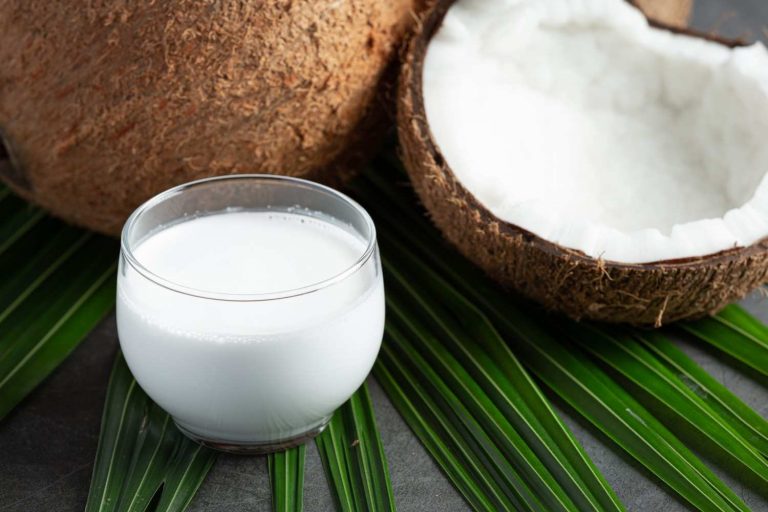
Kefir is a fermented milk drink that has a tart flavor similar to yogurt but is much thinner in consistency. It can also be made from non-dairy alternatives like coconut milk or almond milk.
Benefits
Loaded with probiotics, kefir can improve digestion and boost immune function (Farnworth, 2017). It’s also a fantastic source of calcium and can help improve lactose digestion.
Limitations
Some individuals might find dairy-based kefir difficult to digest. In that case, non-dairy options might be a better fit.
9. Natto
This traditional Japanese dish is made from fermented soybeans. While its taste and texture can be polarizing, natto is a nutrient-rich option.
Benefits
Natto is rich in vitamin K2 and a unique probiotic called Bacillus subtilis, which has been linked to improved gut health (Kato, 2023). It may also support cardiovascular health.
Limitations
Its distinct smell and slimy texture can be off-putting for some. If you’re not ready for natto, consider easing into it by adding it to dishes where its flavor can meld with other ingredients.
10. Fermented Vegetables
Beyond kimchi and sauerkraut, a variety of vegetables can be fermented at home. Cucumbers, carrots, and radishes can all be transformed into gut-friendly snacks.
Benefits
Fermented vegetables are rich in nutrients and probiotics, which help in digesting food efficiently and absorbing nutrients (Watanabe et al., 2023).
Limitations
Home fermentation requires careful attention to cleanliness and timing to prevent spoilage. Make sure to follow reliable recipes to ensure safety.
FAQs
1. Can all fermented foods improve gut health?
Not all fermented foods contain live probiotics, especially if they have been heat-treated or loaded with preservatives. Always check labels for “live cultures.”
2. How much fermented food should I consume daily?
A small serving—about 1/4 to 1/2 cup per day—is generally sufficient to reap the benefits. Start slowly and observe how your body reacts before increasing intake.
3. Are fermented foods safe for everyone?
Most people can enjoy fermented foods, but those with weakened immune systems or specific health conditions should consult with a healthcare provider before diving in.
4. What’s the best way to introduce fermented foods into my diet?
Start with small amounts of foods you enjoy. Experiment with different types, and consider incorporating a variety of options for balanced gut health.
Conclusion
As our understanding of gut health evolves, so too does the appreciation of fermented foods. Incorporating these ten foods can transform not only your meals but also your gut flora, paving the way for enhanced overall well-being. Keep exploring, taste-testing, and listening to your body as you enhance your diet with these vibrant, nutrient-rich options. After all, nourishing your gut could be as simple as reaching for a bowl of yogurt or a tangy helping of kimchi.
References
- Cani, P. D. (2023). Gut microbiota and its role in the host metabolism. Current Opinion in Clinical Nutrition and Metabolic Care.
- Choi, Y. J., Kim, J. K., & Lee, K. H. (2023). The effects of kimchi consumption on gut microbiota and immune system. Journal of Korean Medical Science.
- Farnworth, E. R. (2017). Kefir—A complex fermented dairy product. Cereal Foods World.
- Kato, H. (2023). Probiotic potential of Bacillus subtilis in natto: A review. Journal of Microbiology and Biotechnology.
- Kozlowska, J., Chmiel, M., & Nowacki, P. (2023). A probiotic beverage: Kombucha tea. Food Research International.
- Kettunen, A., Kliemann, R., & Aro, A. (2023). The effects of pickled vegetables consumption on human health. Nutrients.
- O’Callaghan, T. F., et al. (2023). Nutritional benefits of sauerkraut. International Journal of Food Science.
- Rizvi, S. I., & Kaur, M. (2023). Health benefits of tempeh: A review. Journal of Food Science.
- Shimada, M., et al. (2023). Nutritive and functional properties of miso. Food & Nutrition Research.
- Watanabe, R., Fujita, K., & Takeda, K. (2023). Fermented vegetables: Benefits and applications. Scandinavian Journal of Food Science.
Get Your FREE Natural Health Guide!
Subscribe now and receive our exclusive ebook packed with natural health tips, practical wellness advice, and easy lifestyle changes, delivered straight to your inbox.