


Unlocking Energy Expenditure Through Calorie-Burning Workouts
Engaging in regular physical activity is a foundational pillar for general wellness and maintaining a vibrant lifestyle. Many individuals seek effective ways to increase their daily energy expenditure, often focusing on calorie-burning workouts that integrate seamlessly into their routines.
Understanding how different movements influence your body’s energy output is key to building a sustainable and enjoyable fitness practice. This guide explores various activities designed not just to burn calories but to genuinely engage and motivate you.
Each method discussed offers unique benefits, supporting overall physical well-being and helping you cultivate a stronger connection with your body’s capabilities. Remember, consistency and enjoyment drive long-term success in any fitness endeavor.
1. High-Intensity Interval Training (HIIT)
HIIT involves short bursts of intense exercise followed by brief recovery periods. This training method can elevate your heart rate rapidly, promoting significant energy use in a condensed timeframe. It’s an efficient approach for individuals with limited time.
The core principle rests on pushing your body to its maximum capacity during active intervals. This demands substantial energy from your metabolic systems, making it a powerful tool for perceived calorie expenditure. Short recovery breaks allow for partial restoration before the next intense burst.
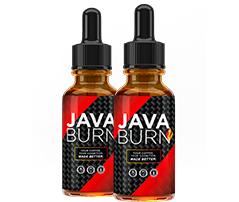
Java Burn™ Coffee Enhancer
- Tasteless nutrient blend designed to seamlessly stir into your daily coffee
- Formulated to support a steady, healthy metabolism without lifestyle disruptions
- Manufactured in a cGMP-compliant, FDA-registered facility
Historical athletic conditioning often incorporated similar concepts of variable intensity. Modern HIIT protocols standardize these principles, making them accessible for general fitness. The adaptable nature of HIIT means it can be applied to nearly any exercise modality.
The physiological response during and after HIIT contributes to its effectiveness. Your body works to restore equilibrium post-exercise, a process sometimes called afterburn, which utilizes energy even once the workout concludes.
- Core Principle: Alternating high effort with low effort.
- Benefits: Time efficient, high energy demand.
- Adaptability: Applicable to various exercise forms.
Implementing HIIT Sessions
Incorporate short, vigorous efforts followed by brief rest intervals into your routine. People with underlying conditions often work with a qualified healthcare professional for personalized guidance.
2. Running and Jogging
Running is a fundamental human movement, offering a direct and accessible way to burn calories. Its simplicity belies its effectiveness as a full-body conditioning activity. From leisurely jogs to brisk runs, the intensity can be easily adjusted.
The rhythmic motion of running engages multiple muscle groups simultaneously, requiring a continuous supply of energy. Your cardiovascular system works to deliver oxygen and nutrients, leading to increased metabolic activity throughout the duration of the effort.
Different terrains and speeds will alter the energy cost. Uphill running demands more energy due to gravity’s resistance, while a faster pace naturally increases the caloric expenditure over time. It is a highly customizable activity for various fitness levels.
- Activity Type: Cardiovascular exercise.
- Engagement: Full body muscle groups.
- Modulation: Easily adjustable pace and terrain.
Integrating Running Into Your Week
Lace up your shoes and head outdoors or onto a treadmill for sustained periods of movement. This information is educational and not a substitute for medical advice.
3. Swimming
Swimming provides a full-body workout with unique benefits due to its low-impact nature. The resistance of water offers a challenging environment for muscle engagement without placing significant stress on joints. This makes it suitable for a broad range of individuals.
Propelling your body through water demands consistent effort from your arms, legs, and core. Every stroke and kick contributes to a continuous energy burn, engaging muscles that might be less active in land-based exercises. Water’s cooling effect can also make longer sessions feel more comfortable.
Various strokes like freestyle, breaststroke, and backstroke target different muscle groups and offer varied energy demands. Alternating these strokes can enhance overall conditioning. It’s a skill-based activity that improves with practice.
- Impact Level: Low impact on joints.
- Muscle Engagement: Full body resistance.
- Comfort: Water’s cooling properties.
Exploring Aquatic Fitness
Enter the pool and experiment with different strokes and speeds to find what feels most invigorating. People with underlying conditions often work with a qualified healthcare professional for personalized guidance.
4. Cycling
Whether outdoors on scenic routes or indoors on a stationary bike, cycling is an excellent method for burning calories while supporting cardiovascular health. It’s a non-weight-bearing activity that can be enjoyed for extended periods.
The continuous leg motion in cycling drives constant energy expenditure, primarily engaging the muscles of the lower body. Adjusting resistance on a stationary bike or tackling hills outdoors can significantly increase the intensity and caloric cost of your ride.
Cycling also offers opportunities for social engagement and exploration, turning exercise into an enjoyable experience. The rhythm of pedaling can be meditative, contributing to overall mental well-being alongside physical benefits. It is a versatile activity for solo or group participation.
- Activity Focus: Lower body, cardiovascular.
- Joint Stress: Non-weight bearing, low impact.
- Versatility: Indoor or outdoor options.
Getting Started with Cycling
Find a comfortable bike and begin with shorter rides, gradually increasing duration and intensity as your comfort grows. This information is educational and not a substitute for medical advice.
5. Dancing
Dancing is a joyful and expressive way to engage in physical activity, often feeling more like recreation than a workout. Yet, it can be a highly effective calorie burner, depending on the style and intensity.
From energetic Zumba classes to spirited ballroom dancing, the continuous movement, varied steps, and dynamic body engagement elevate heart rate and stimulate energy use. Many forms of dance involve intricate footwork and full-body coordination, demanding sustained effort.
The mental engagement required to learn and execute dance moves adds another layer of benefit. It can enhance coordination, balance, and rhythm. Most importantly, the inherent fun in dancing makes it easier to stick with over time.
- Engagement Style: Full body, coordination, balance.
- Primary Benefit: High energy output, enjoyment.
- Mental Aspect: Cognitive engagement, rhythm.
Finding Your Rhythm
Explore different dance styles or simply put on some music and move freely in your living space. People with underlying conditions often work with a qualified healthcare professional for personalized guidance.
6. Boxing and Martial Arts
Boxing and various martial arts disciplines offer intense, full-body workouts that combine cardiovascular conditioning with strength, agility, and mental focus. These activities are far more than just physical exertion.
The repetitive striking motions, footwork, and defensive movements in boxing demand rapid bursts of energy and sustained effort. Martial arts, such as karate or taekwondo, involve dynamic forms, sparring, and calisthenics, all contributing to significant calorie expenditure.
Beyond the physical, these practices cultivate discipline, coordination, and mental resilience. They can be highly engaging, providing a sense of accomplishment and skill development that keeps participants motivated. The dynamic nature prevents monotony.
- Physical Attributes: Strength, agility, cardiovascular.
- Mental Benefits: Discipline, focus, resilience.
- Engagement: Dynamic and skill-based.
Stepping into Combat Fitness
Seek out a local gym or studio offering classes in boxing, kickboxing, or a martial art that appeals to you. This information is educational and not a substitute for medical advice.
7. Strength Training
Often associated primarily with muscle building, strength training is also a powerful calorie-burning activity. While less aerobically intense during the lift itself, its impact on metabolism can be substantial.
Lifting weights or performing bodyweight exercises recruits large muscle groups, which requires significant energy during each set. The metabolic demand continues even after the workout as your body works to repair and build muscle tissue. This process contributes to an elevated resting metabolic rate.
Regular strength training can enhance overall body composition. Muscle tissue is more metabolically active than fat tissue, meaning more muscle contributes to greater daily energy expenditure, even when at rest. This makes it a foundational component for a wellness plan.
- Primary Function: Muscle engagement, metabolic boost.
- Energy Use: During exercise and post-exercise.
- Long-term Effect: Supports resting metabolic rate.
Designing a Strength Program
Incorporate compound movements like squats, deadlifts, and presses using weights or your own body weight. People with underlying conditions often work with a qualified healthcare professional for personalized guidance.
8. Circuit Training
Circuit training combines multiple exercises performed back-to-back with minimal rest in between. This format keeps the heart rate elevated throughout the session, maximizing calorie burn in a relatively short period.
A typical circuit might include a mix of strength exercises, cardiovascular movements, and core work. Moving from one exercise to the next without prolonged breaks ensures a continuous challenge to your cardiovascular and muscular systems, driving energy expenditure.
The variety inherent in circuit training also helps prevent boredom and targets different muscle groups comprehensively. It’s an efficient way to achieve both strength and endurance benefits within a single workout session. The possibilities for exercise combinations are vast.
- Format: Multiple exercises, minimal rest.
- Benefit: Continuous heart rate elevation.
- Versatility: Combines strength, cardio, core.
Structuring Your Circuit
Select 5-8 exercises and perform them consecutively for a set number of repetitions or time, then repeat the entire circuit. This information is educational and not a substitute for medical advice.
9. Power Yoga or Vinyasa Flow
While often perceived as a gentle practice, certain styles of yoga, particularly power yoga or Vinyasa flow, can be incredibly effective calorie-burning workouts. These styles emphasize continuous movement and dynamic transitions.
Vinyasa yoga links breath with movement, flowing from one pose to the next in a fluid sequence. Maintaining these poses and transitioning between them requires significant muscular effort, balance, and core engagement, elevating the heart rate and increasing energy demand.
The sustained effort and isometric holds in power yoga build strength and endurance, contributing to overall fitness. The mental focus required also enhances body awareness and can promote a sense of calm alongside the physical exertion. It’s a holistic approach to movement.
- Style: Continuous movement, dynamic flow.
- Energy Demand: Muscular effort, balance, core.
- Additional Benefit: Mental focus and body awareness.
Engaging in Dynamic Yoga
Find a certified instructor or online resource to guide you through a power yoga or Vinyasa flow sequence. People with underlying conditions often work with a qualified healthcare professional for personalized guidance.
10. Hiking
Hiking provides an engaging outdoor activity that can burn significant calories, especially when traversing varied terrain. It combines the benefits of walking with the added challenges of inclines, uneven paths, and carrying a light pack.
Walking uphill requires more muscular effort from the legs and glutes than walking on flat ground, directly increasing energy expenditure. Navigating uneven trails also engages core stability muscles, contributing to a more comprehensive workout.
Beyond the physical benefits, hiking offers opportunities to connect with nature, which can reduce stress and enhance mental well-being. It is an accessible activity that can be scaled from gentle nature walks to strenuous mountain climbs. Research from the National Park Service emphasizes the positive effects of time spent outdoors.
- Environment: Outdoor, varied terrain.
- Calorie Burn Driver: Inclines, uneven paths.
- Mental Benefit: Stress reduction, nature connection.
Planning Your Next Hike
Choose a trail appropriate for your fitness level, wear supportive footwear, and bring plenty of water. This information is educational and not a substitute for medical advice.
Comparing Calorie Expenditure and Impact
Different calorie-burning workouts offer varied levels of intensity and impact on the body. Understanding these distinctions can help you select activities that align with your personal preferences and physical needs.
High-impact activities can be excellent for rapid energy expenditure but may require careful consideration for joint comfort. Lower-impact options provide sustained benefits with reduced stress on the musculoskeletal system, suitable for longer durations or individuals seeking gentle movement.
The table below provides a general comparison to assist in visualizing these differences. Individual calorie burn rates vary widely based on body weight, intensity, duration, and personal metabolism. This serves as a helpful guide for general understanding.
| Workout Type | Approx. Calories/Hour (General) | Impact Level | Equipment Needed |
|---|---|---|---|
| HIIT | 400-600+ | Medium to High | Minimal to Varied |
| Running | 400-800 | High | Running Shoes |
| Swimming | 300-700 | Low | Swimsuit, Goggles |
| Cycling | 300-800 | Low | Bicycle, Helmet |
| Dancing | 200-600 | Low to Medium | None |
| Boxing/Martial Arts | 400-800+ | Medium to High | Gloves, Bag (Optional) |
| Strength Training | 200-400 | Medium | Weights, Bands (Optional) |
| Circuit Training | 400-700 | Medium to High | Varied |
| Power Yoga | 200-400 | Low | Mat |
| Hiking | 300-600 | Low to Medium | Supportive Footwear |
Common Misconceptions About Energy Expenditure
Many people hold certain beliefs about calorie-burning workouts that aren’t entirely accurate. Clearing up these common misconceptions can help foster a more informed and effective approach to physical activity.
One prevalent idea is that only high-intensity activities lead to significant energy expenditure. While intense workouts are efficient, sustained moderate-intensity activities over longer durations can also accumulate substantial calorie burn. Consistency often outweighs singular bursts of extreme effort.
Another misunderstanding involves the concept of “spot reduction,” believing that exercising a specific body part will primarily burn fat from that area. The body draws energy from fat stores across the entire system, not just the muscles being worked. A holistic approach to activity is generally more effective for overall changes.
The idea that hunger after a workout means you’ve burned a “good” amount of calories is also not always accurate. Hormonal responses and individual metabolic rates can influence post-exercise hunger in varied ways. Listening to your body’s true hunger cues, rather than assuming, supports balanced intake.
It’s also a common thought that sweating profusely automatically correlates with high calorie burn. Sweating is primarily a mechanism for regulating body temperature. While intense exercise often leads to more sweat, it’s not a direct measure of energy expenditure. Hydration is crucial when sweating.
Frequently Asked Questions About Calorie-Burning Workouts
How can I make calorie-burning workouts more enjoyable?
To enhance enjoyment, select activities that genuinely interest you, whether it’s dancing, hiking, or a team sport. Incorporate music, invite a friend to join you, or explore new environments. Variety also helps prevent boredom, keeping your routine fresh and engaging.
Is it possible to burn calories without intense exercise?
Absolutely. Activities like walking, gardening, and light household chores contribute to daily energy expenditure, albeit at a lower rate than high-intensity exercise. Consistency in these everyday movements can accumulate substantial calorie burn over time, supporting general wellness. Even standing instead of sitting can make a difference.
How does muscle mass influence calorie burning?
Muscle tissue is metabolically more active than fat tissue. This means that individuals with a higher percentage of muscle mass tend to burn more calories at rest. Incorporating strength training into your routine can help build muscle, potentially contributing to a more active metabolism throughout the day.
Should I focus on cardio or strength for calorie burning?
Both cardiovascular exercise and strength training are valuable for calorie burning, each through different mechanisms. Cardio burns a significant amount during the activity, while strength training builds muscle that can elevate your resting metabolic rate. A balanced approach combining both often yields comprehensive benefits for overall fitness and energy expenditure.
The Bottom Line
Finding calorie-burning workouts you genuinely enjoy is the most effective path to sustained physical activity and long-term well-being. The key lies in discovering movements that resonate with your interests and fit seamlessly into your life, ensuring consistency.
Whether you prefer the dynamic intensity of HIIT, the rhythmic flow of swimming, or the mindful engagement of power yoga, there is an activity for everyone. Prioritize enjoyment and listen to your body, recognizing that every step and movement contributes to your vitality.
Embrace the journey of movement with curiosity and an open mind. Select a form of activity that brings you joy and start exploring its benefits. People with underlying conditions often work with a qualified healthcare professional for personalized guidance.
Get Your FREE Natural Health Guide!
Subscribe now and receive our exclusive ebook packed with natural health tips, practical wellness advice, and easy lifestyle changes, delivered straight to your inbox.






