
Contents
10 Benefits of Quinoa for Gut Health You Should Know
Ever scanned a grocery aisle and stumbled upon a bag of quinoa, only to wonder what all the fuss is about? This tiny grain, often hailed as a superfood, has been gaining traction, particularly for its role in gut health. As our understanding of digestion and gut microbiota deepens, quinoa emerges as a noteworthy player. Let’s explore its specific benefits and find out how this ancient seed can transform your gut health.

1. Rich Source of Dietary Fiber
Dietary fiber plays a crucial role in maintaining gut health. Quinoa is notably high in fiber compared to many grains; one cup of cooked quinoa contains about 5.2 grams of fiber [1]. This fiber is essential for promoting regular bowel movements and preventing constipation.
Moreover, fiber acts as a prebiotic, serving as food for the beneficial bacteria in your gut. Enhanced gut flora can improve digestion and help reduce the risk of gastrointestinal issues, including irritable bowel syndrome (IBS) and diverticulitis.
Consideration: While quinoa is beneficial, it’s essential to balance fiber intake with hydration. Increasing fiber without adequate water can lead to bloating or discomfort.
2. Glutamine for Gut Repair
Quinoa contains glutamine, an amino acid fundamental for gut health. This nutrient fuels the cells in the intestines, helping maintain the integrity of the gut lining. Strong gut walls are vital for preventing conditions like leaky gut syndrome, where toxins can seep into the bloodstream [2].
A study published in the Journal of Nutrition highlighted how glutamine might play a protective role during gut inflammation. Its presence in quinoa means that including it in your diet could support gut repair and overall digestive health.
Limitation: Those with certain metabolic disorders exacerbated by amino acids may need to limit their intake.
3. High in Antioxidants
Quinoa isn’t just a nutrient powerhouse; it’s also rich in antioxidants, which help combat oxidative stress in the body. Free radicals contribute to inflammation, which can impact gut health. Compounds like quercetin and kaempferol, found in quinoa, have been shown to reduce inflammatory markers [3].
By easing inflammation, quinoa may help mitigate gut disorders and conditions linked to chronic inflammation, such as Crohn’s disease.
Be Aware: Antioxidant levels can vary based on growing conditions and processing methods, meaning not every package is created equal.
4. Gluten-Free Option
For individuals with gluten sensitivity or celiac disease, quinoa serves as an excellent gluten-free grain alternative. Many people find that eliminating gluten from their diet leads to fewer digestive issues, and quinoa allows them to maintain a nutritious diet without compromising on fiber and protein.
A 2021 review in the Foods Journal underscored quinoa’s safety for gluten-sensitive individuals, affirming its role in promoting gut health without the adverse effects associated with gluten [4].
5. Supports Balanced Blood Sugar Levels
Managing blood sugar levels is crucial for overall health, particularly for those with insulin resistance. Quinoa’s low glycemic index helps stabilize blood sugar, reducing spikes and crashes that can negatively impact gut health. A stable blood sugar level can lead to better energy balance and reduce cravings, aiding in a more mindful relationship with food.
Research has suggested that whole grains, including quinoa, contribute to a lower risk of type 2 diabetes, underscoring their importance in a balanced diet [5].
Note: Pair quinoa with other fiber-rich foods to maximize blood sugar control benefits.
6. Protein-Rich Content
Quinoa stands out in the grain world for its high protein content, offering all nine essential amino acids. This makes it an excellent protein source for vegetarians and vegans, providing necessary nutrients without detriment to gut health.
Protein aids in building and repairing tissues, including those in the digestive tract. A well-nourished gut lining can enhance nutrient absorption and bolster immunity. A 2022 study in Frontiers in Nutrition highlighted how diverse protein sources improve gut microbiota health, emphasizing the value of including quinoa [6].
7. Prebiotic Benefits
While we’ve touched upon fiber, quinoa also contains oligosaccharides, which act as prebiotics, promoting the growth of beneficial gut bacteria. This can lead to improved digestion and enhanced overall gut function.
A diverse gut microbiome is linked to numerous health benefits, including stabilized mood and immune function. In a recent study featured in the Journal of Microbiology, the prebiotic properties of quinoa were noted for their potential to enhance gut microbiota diversity [7].
Caution: Individuals with existing digestive concerns should introduce quinoa gradually to avoid overwhelming their system.
8. Anti-Inflammatory Properties
Quinoa contains phytonutrients that possess anti-inflammatory properties. Chronic inflammation can lead to various gut-related health issues, including inflammatory bowel disease (IBD). Incorporating quinoa into your diet may assist in reducing inflammation markers, contributing to a healthier gut environment.
A comprehensive review in the Nutrients Journal pointed out the positive effects of whole grains, including quinoa, in lowering inflammation through antioxidants and dietary fiber [8].
9. Nutrient Density
Beyond fiber and protein, quinoa is rich in vitamins and minerals like magnesium, phosphorus, and B vitamins, which play integral roles in overall health, including gut function. Magnesium is particularly important for muscle function and can support peristalsis (the wave-like muscle contractions that move food through the digestive tract).
Research highlights that nutrient-rich diets support a healthier gut, so quinoa’s nutrient density can lead to long-term benefits [9].
10. Versatility in Cooking
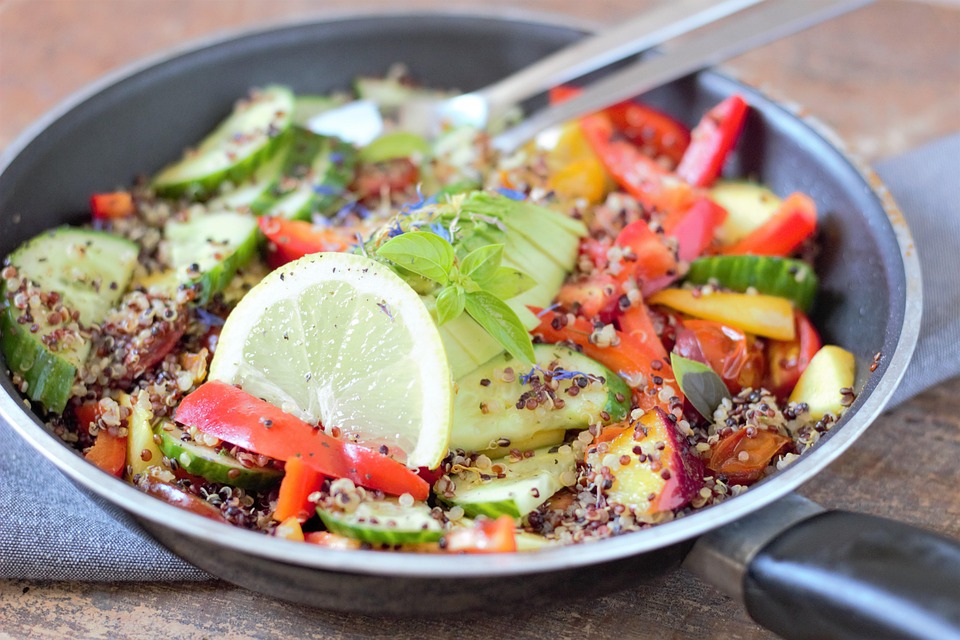
Quinoa’s versatility makes it easy to incorporate into various diets. Whether as a base for salads, soups, or side dishes, its mild flavor pairs well with many ingredients, allowing you to create diverse meals that are both enjoyable and gut-friendly.
For those looking to improve their gut health, adding quinoa to a balanced diet can be a satisfying way to enrich meals while consciously working towards better digestive habits.
FAQs
1. Can quinoa cause digestive discomfort?
For some individuals, particularly those not accustomed to high fiber diets, quinoa may lead to initial bloating or digestive discomfort. It’s advisable to introduce it gradually and ensure sufficient hydration.
2. How should I prepare quinoa to maximize its benefits?
Rinsing quinoa under cold water before cooking helps remove saponins, which can have a bitter taste. Cooking it in vegetable or chicken broth can enhance its flavor and nutrient absorption.
3. Is quinoa suitable for everyone?
Quinoa is gluten-free and rich in nutrients, making it suitable for many. However, those with particular allergies or intolerances should always consult with a healthcare provider before making significant dietary changes.
4. How much quinoa should I include in my diet?
A serving size of about 1/4 to 1/2 cup (uncooked) is typically recommended for nutritional benefits, keeping in mind your overall dietary needs.
Conclusion
You might now see quinoa not just as another grain option but as a powerful ally for gut health. From its fiber and protein content to its rich supply of antioxidants and prebiotics, quinoa offers a host of benefits that promote a balanced digestive system. By incorporating quinoa into your meals, you have the potential to support not only your gut but also your overall health.
As with any dietary change, consider your personal health needs and consult with a healthcare provider if necessary. Nutritional choices should be tailored to you, aiming for balance and variety in your diet.
References
- U.S. Department of Agriculture FoodData Central. (2021). Quinoa, cooked. URL: https://fdc.nal.usda.gov/
- Konstantinidis, K., & D’Auria, J. (2020). The role of glutamine in inflammatory bowel disease. Clinical Nutrition. URL: https://www.clinicalnutritionjournal.com/
- Nutall, F., & Santonastaso, C. (2021). Antioxidants and inflammatory bowel disease: A comprehensive review. Antioxidants. URL: https://www.mdpi.com/journal/antioxidants
- Husken, B., & Kloss, B. (2021). Quinoa and health: Identifying gluten-free alternatives. Foods. URL: https://www.mdpi.com/journal/foods
- Salameh, M. K. et al. (2021). Whole grains and glycemic control: A systematic review. Nutrients. URL: https://www.mdpi.com/journal/nutrients
- Wu, J. et al. (2022). Protein sources and gut health: A review. Frontiers in Nutrition. URL: https://www.frontiersin.org/journals/nutrition
- Parkar, S. G. et al. (2020). The prebiotic effects of quinoa. Journal of Microbiology. URL: https://www.jmicrobiol.com/
- Slavin, J. L. (2020). Whole grains and inflammation: A nutritional review. Nutrients. URL: https://www.mdpi.com/journal/nutrients
- Anderson, J. W. et al. (2019). Nutritional benefits of quinoa consumption. Journal of Nutrition. URL: https://www.journals.elsevier.com/journal-of-nutrition
Get Your FREE Natural Health Guide!
Subscribe now and receive our exclusive ebook packed with natural health tips, practical wellness advice, and easy lifestyle changes, delivered straight to your inbox.