
Hearing loss and ear-related issues are increasingly common, affecting millions worldwide. While various factors contribute to these problems, nutritional deficiencies often play a significant role. One essential nutrient that frequently gets overlooked is zinc. This mineral is crucial for maintaining overall health, including ear health. It supports immune function, cellular repair, and even has antioxidant properties that can protect against oxidative stress in the ears.
Incorporating zinc-rich foods into your diet can significantly enhance your ear health. These foods not only provide zinc but also contain other vital nutrients that work synergistically to support auditory function. By focusing on a well-rounded diet, you can take proactive steps toward preserving your hearing and preventing ear-related issues.
This guide delves into the foods high in zinc that can aid your ear health journey. Understanding how zinc works, the foods to include in your meals, and practical applications will empower you to make informed dietary choices. The goal is to offer a comprehensive resource that not only highlights the importance of zinc but also gives you actionable steps to incorporate it into your daily life.
By the end of this guide, you will have a clearer understanding of how to leverage zinc for ear health, making it easier to adopt healthier eating habits. Let’s explore how you can use zinc-rich foods effectively.
Contents
How to Use Zinc for Real Results
- Best Form: Whole foods rich in zinc
- Best Time: Daily consumption
- Expected Result: Improved ear health and reduced risk of hearing loss
For Daily Protection
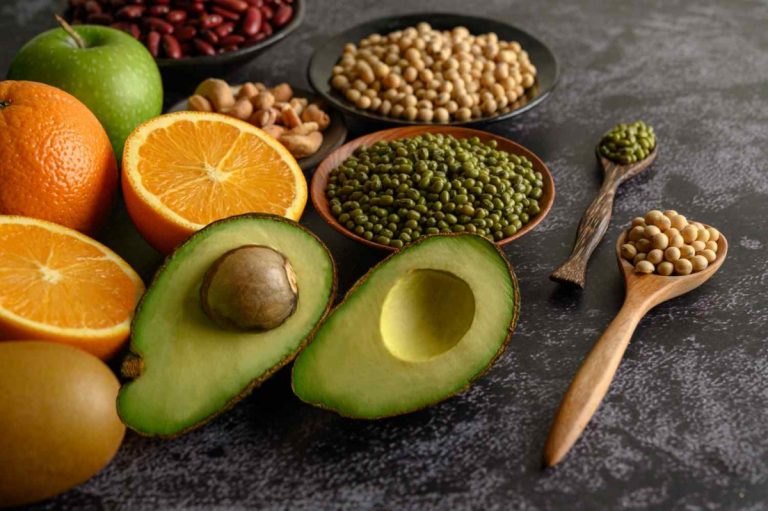
Start with a variety of zinc-rich foods such as oysters, beef, chickpeas, and pumpkin seeds. These ingredients are versatile and can be incorporated into various meals. Prepare a mixed salad topped with roasted chickpeas and pumpkin seeds for a nutrient-dense lunch.
Combine the chickpeas with a simple dressing of olive oil, lemon juice, and spices. Toss in some leafy greens and cherry tomatoes for added vitamins. This meal can be prepared quickly, making it ideal for busy days.
After consuming this meal, you may feel a sense of fullness and satisfaction. The blend of textures and flavors will create a delightful eating experience. The energy boost from the meal can last several hours, keeping you active.
Pro Tip: Prepare a batch of roasted chickpeas in advance for easy snacking throughout the week.
Targeting Acute Pain
When facing ear discomfort or pain, consider preparing a warm soup using beef or lentils. Both are rich in zinc and can provide soothing relief. Begin by sautéing onions and garlic in a pot, then add your choice of meat or lentils along with broth and vegetables.
Let the soup simmer for at least 30 minutes. This allows the flavors to meld and enhances the nutritional value. Serve it warm, and consider adding a sprinkle of herbs for additional flavor.
Upon consuming this hearty soup, you may experience immediate warmth and comfort. The nutrients will begin to support your body in fighting inflammation, leading to a gradual easing of any discomfort. This relief can last a few hours, offering sustained comfort.
Pro Tip: Keep a variety of frozen vegetables on hand to easily enhance any soup recipe.
The Nighttime Routine
For a bedtime snack that promotes ear health, consider making a smoothie with yogurt, spinach, and flaxseeds. Yogurt serves as a probiotic base while spinach provides essential vitamins and minerals, including zinc.
Blend these ingredients with your choice of fruit and a splash of milk or a dairy-free alternative. This will create a creamy and nutritious drink that is easy to digest before bed.
After enjoying this smoothie, you may feel a calming sensation as your body prepares for rest. The combination of nutrients supports overall health, contributing to better sleep quality. This relaxation can help your body repair and regenerate overnight.
Pro Tip: Use frozen fruits to create a thicker, more satisfying smoothie without added sugar.
Common Errors to Avoid
Choosing Processed Foods
Many individuals opt for convenience over nutrition, leading to the consumption of processed foods that are often low in essential nutrients like zinc. These foods can contribute to inflammation and may exacerbate ear issues.
To counteract this, focus on whole foods. Fresh vegetables, lean meats, and legumes provide the necessary nutrients without the harmful additives found in processed items. Make a conscious effort to read labels and choose whole ingredients.
Ignoring Balanced Nutrition
Some may believe that simply increasing zinc intake will resolve ear issues. However, a balanced diet is crucial. Zinc works best when combined with other vitamins and minerals.
Incorporate a variety of fruits, vegetables, whole grains, and healthy fats into your meals. A well-rounded diet ensures that your body can effectively utilize zinc and other nutrients for optimal health.
Over-supplementing
Many people turn to supplements for a quick fix, unaware that excessive zinc can lead to toxicity. Over-supplementation can cause nausea, headaches, and even interfere with the absorption of other minerals.
Focus on obtaining zinc from food sources first. If supplements are necessary, consult a healthcare professional for appropriate dosage and duration to avoid adverse effects.
The Mechanism of Zinc in Ear Health
Zinc plays a vital role in numerous biological processes that are crucial for ear health. It contributes to cellular repair and regeneration, which are essential for maintaining the integrity of the auditory system. The mineral also aids in the production of proteins and enzymes necessary for overall cellular function.
A key compound in the context of ear health is metallothionein. This protein binds to zinc and helps regulate its levels in the body. It protects cells from oxidative stress, which can lead to hearing loss if not managed properly. The presence of zinc ensures that metallothionein functions optimally, thereby safeguarding auditory health.
Research supports the link between zinc and hearing preservation. A study published in the journal NIH ODS Fact Sheet highlights how zinc supplementation can improve hearing function in individuals with age-related hearing loss. This reinforces the importance of adequate zinc intake for maintaining ear health throughout life.
Choosing the Right Product
- Potency: It’s essential to choose foods that offer a high concentration of zinc. This ensures you are meeting your daily requirements effectively.
- Purity: Opt for organic or minimally processed foods to avoid additives that could detract from the health benefits.
- Form: Whole food sources are generally more beneficial than supplements, as they offer a complex of nutrients that work together.
Benefits and Drawbacks
| The Benefits | Potential Downsides |
|---|---|
| Supports cellular repair and regeneration | Excessive intake can lead to toxicity |
| Enhances immune function | Over-reliance on supplements may ignore dietary needs |
| May reduce inflammation in the auditory system | Not a standalone solution for ear issues |
Healthy Lifestyle Practices
Regular physical activity can significantly enhance your overall health, including ear health. Exercise improves circulation, which helps deliver essential nutrients to the ears.
Additionally, practicing stress management techniques, such as mindfulness or yoga, can reduce inflammation. Stress is known to exacerbate various health issues, including those related to hearing.
Who Should Avoid This?
- Individuals with known zinc allergies.
- People taking certain medications that interact with zinc.
- Those with conditions affecting zinc absorption, such as gastrointestinal diseases.
Common Questions
How much zinc do I need daily?
The recommended daily allowance for zinc varies by age and gender. Adult men generally need 11 mg, while adult women require about 8 mg.
Can I get enough zinc from a vegetarian diet?
Yes, zinc can be obtained from vegetarian sources such as legumes, nuts, seeds, and whole grains. Combining these foods can enhance zinc absorption.
What are the symptoms of zinc deficiency?
Common symptoms include hair loss, weakened immune response, and impaired taste or smell. Ear issues can also arise from long-term deficiency.
Is it safe to take zinc supplements?
While supplements can be beneficial, it is crucial to consult with a healthcare provider to determine the appropriate dosage and to avoid potential toxicity.
The Bottom Line
Incorporating zinc-rich foods is vital for maintaining ear health.
- The Truth: Dietary zinc alone may not resolve all ear issues.
- The Strategy: Aim for a balanced diet rich in whole foods.
- The Next Step: Establish a routine that includes regular nutrient-rich meals.
Get Your FREE Natural Health Guide!
Subscribe now and receive our exclusive ebook packed with natural health tips, practical wellness advice, and easy lifestyle changes, delivered straight to your inbox.