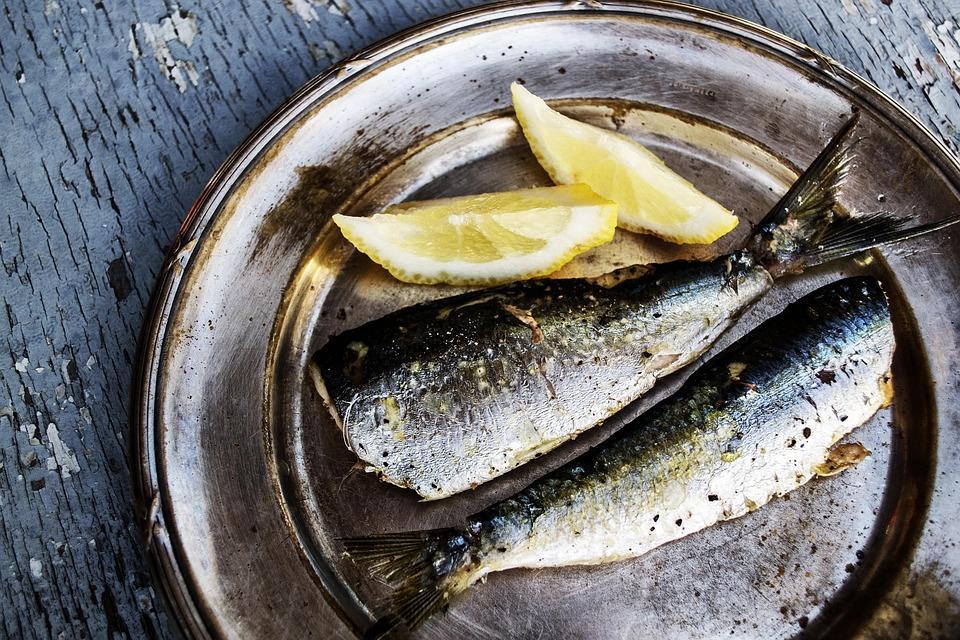

Wild fish has long been recognized as a cornerstone of a balanced diet, offering an abundance of nutrients that support overall health. Among these nutrients, omega-3 fatty acids stand out for their profound impact on hormonal balance. Many individuals experience hormone-related issues such as anxiety, insomnia, and mood swings, which can significantly affect their quality of life. The need for effective natural solutions has never been more urgent.
Incorporating wild fish into your diet can serve as a powerful means to restore hormonal equilibrium. These fish are rich in omega-3 fatty acids, particularly EPA and DHA, which play critical roles in regulating various bodily functions. Understanding the mechanisms through which these acids operate can empower you to make informed dietary choices.
The journey to hormonal balance often feels complex and overwhelming. However, nature provides a straightforward solution that is both delicious and nutritious. By embracing wild fish as a regular part of your meals, you can harness the benefits of omega-3s to support hormonal health. This guide aims to equip you with the knowledge and practical steps needed to make the most of wild fish in your diet.
The following sections will delve into the practical applications of wild fish, common mistakes to avoid, the science behind its benefits, and much more. Each section will provide you with actionable insights to help you achieve optimal hormonal balance through this natural food source.
Contents
How to Use Wild Fish for Real Results
- Best Form: Grilled or baked fillets
- Best Time: During main meals
- Expected Result: Enhanced mood and reduced anxiety
For Daily Protection
The Prep involves selecting high-quality wild fish such as salmon or mackerel. Fresh fillets are preferable. Gather herbs like dill and lemon for seasoning. A grill or oven will also be required for cooking.
The Action begins with preheating the grill or oven to 375 degrees Fahrenheit. Season the fish with herbs and lemon juice. Place the fish on a grill or baking tray. Cook for 15 to 20 minutes, ensuring the fish flakes easily with a fork.
The Feeling you can expect is satisfying and comforting. The warmth of the cooked fish, combined with the zesty aroma of lemon, creates a delightful sensory experience. This meal not only nourishes but also uplifts your mood.
Pro Tip: Always opt for wild-caught fish for better omega-3 content.
Targeting Acute Pain
The Prep requires ingredients like sardines or anchovies, which are rich in omega-3s. Prepare a simple salad with greens, olive oil, and vinegar. Have a skillet ready for cooking the fish.
The Action entails heating the skillet over medium heat. Add the fish and cook for about 5 minutes on each side until golden brown. Toss the salad ingredients together while the fish cooks. Serve the fish atop the salad for a complete meal.
The Feeling is one of rejuvenation and relief. The healthy fats in the fish can help reduce inflammation, providing a sense of comfort in times of discomfort. The freshness of the salad complements the richness of the fish beautifully.
Pro Tip: Pair with anti-inflammatory spices like turmeric for added benefits.
The Nighttime Routine
The Prep starts with preparing a creamy fish stew. Choose cod or halibut for a lighter option. Gather coconut milk, garlic, and fresh vegetables like spinach and tomatoes.
The Action involves sautéing garlic in a pot until fragrant. Add chopped vegetables and cook until tender. Incorporate the fish and coconut milk, letting it simmer for about 15 minutes. Serve warm before bedtime.
The Feeling is soothing and calming. The warmth of the stew can promote relaxation, making it easier to wind down for the night. The combination of omega-3s and healthy fats helps maintain stable hormone levels.
Pro Tip: Eating fish in the evening can improve sleep quality due to its calming effects.
Avoiding Common Errors in Consumption
Choosing Farm-Raised Over Wild-Caught
Many individuals mistakenly opt for farm-raised fish, believing it to be a more sustainable choice. However, farm-raised fish often contain lower levels of omega-3 fatty acids and may have higher levels of contaminants. Wild-caught fish is generally richer in nutrients and has a better ratio of omega-3 to omega-6 fatty acids. Prioritizing wild fish can lead to greater health benefits.
Making the switch to wild-caught fish can seem daunting due to availability and cost. However, many local markets offer sustainable options. Explore different sources to find high-quality wild fish that fits your budget. By emphasizing wild varieties, you can maximize your intake of essential nutrients.
Overcooking the Fish
Overcooking fish is a common mistake that can diminish its flavor and nutritional value. When cooked too long, fish can lose its beneficial oils, making it less effective in supporting hormonal balance. Proper cooking techniques are essential to preserve the delicate omega-3 fatty acids.
To avoid this, aim for a cooking time that allows the fish to remain moist. Using a thermometer can help ensure that it reaches the ideal internal temperature without drying out. Properly cooked fish should flake easily and retain its natural oils, enhancing both taste and health benefits.
Neglecting Variety in Fish Selection
Focusing solely on one type of fish can lead to nutrient imbalances and exposure to specific toxins. Different fish species offer varying levels of essential fatty acids and other nutrients. Relying on a single type may limit the overall health benefits you can gain from fish consumption.
Incorporate a variety of wild fish into your diet. Rotate between salmon, sardines, mackerel, and trout to ensure you receive a broader spectrum of nutrients. This variety not only enhances your meals but also maximizes the potential health benefits associated with omega-3 fatty acids.
The Science Behind Omega-3 Fatty Acids
Biological Mechanism illustrates how omega-3 fatty acids function at the cellular level. These fats are integral to maintaining cell membrane integrity and facilitating communication between cells. They play a role in reducing inflammation and regulating hormonal production, making them essential for overall well-being.
Key Compound within omega-3s includes eicosapentaenoic acid (EPA) and docosahexaenoic acid (DHA). Both are crucial for brain health, hormone synthesis, and cardiovascular function. Their anti-inflammatory properties contribute to improved mental clarity and emotional stability, addressing concerns such as anxiety and mood swings.
Clinical Evidence supports the positive impact of omega-3 fatty acids on hormonal health. Research has shown that higher omega-3 intake is associated with lower levels of anxiety and depression. For more detailed findings, refer to this PubMed search, which highlights various studies demonstrating the benefits of omega-3s in managing hormonal issues.
Choosing the Right Product
-
Potency: Look for fish that contains at least 500 mg of combined EPA and DHA per serving. This ensures you receive an adequate amount of omega-3s for hormonal support.
-
Purity: Choose brands that test for heavy metals and contaminants. High-quality products will have third-party certifications, ensuring you consume fish free from harmful substances.
-
Form: Decide between fresh, frozen, or supplement forms. Fresh fish provides the most nutrients, while supplements offer convenience and longer shelf life. Each form has its own benefits, so choose based on your lifestyle and preferences.
Understanding Pros and Cons
| The Benefits | Potential Downsides |
|---|---|
| Rich in omega-3 fatty acids that support hormonal balance | Risk of exposure to environmental toxins in some species |
| Improves mood and cognitive function | Some people may have allergies to fish |
| Supports cardiovascular health | Cost and availability may be limiting factors |
Habits to Enhance Benefits
Incorporating regular physical activity into your routine can further enhance the benefits of omega-3 fatty acids. Exercise has been shown to improve hormone levels, making it a perfect complement to your dietary choices. Aim for at least 150 minutes of moderate activity each week.
Mindfulness practices such as yoga or meditation can also support hormonal balance. These practices help reduce stress, which can negatively impact hormone levels. Engaging in mindfulness can amplify the positive effects of omega-3 consumption.
Who Should Avoid This?
- Individuals with fish allergies should avoid omega-3-rich fish entirely.
- Those on anticoagulant medication should consult their healthcare provider before increasing omega-3 intake.
- Pregnant women should be cautious about certain fish high in mercury and should seek guidance from a healthcare professional.
Common Questions
How often should I eat wild fish?
Aim for at least two servings of wild fish per week to reap the benefits of omega-3 fatty acids.
Can I get enough omega-3s from plant sources?
While plant sources like flaxseeds contain ALA, they do not provide the same benefits as EPA and DHA found in fish.
What is the best way to cook fish?
Grilling, baking, or steaming are ideal methods that preserve the nutrients without adding unhealthy fats.
Are supplements a good alternative?
Supplements can be beneficial, particularly for those who do not consume fish regularly, but whole food sources are generally preferred.
The Bottom Line
Incorporating wild fish into your diet can significantly enhance your hormonal balance and overall well-being.
- The Truth: Not all fish are created equal, and sourcing matters.
- The Strategy: Aim for two servings of wild fish per week for optimal benefits.
- The Next Step: Consider mindful eating practices to further support your health journey.
Get Your FREE Natural Health Guide!
Subscribe now and receive our exclusive ebook packed with natural health tips, practical wellness advice, and easy lifestyle changes, delivered straight to your inbox.