Why Your Sugar Free Diet Is Not Fixing Your Metabolism
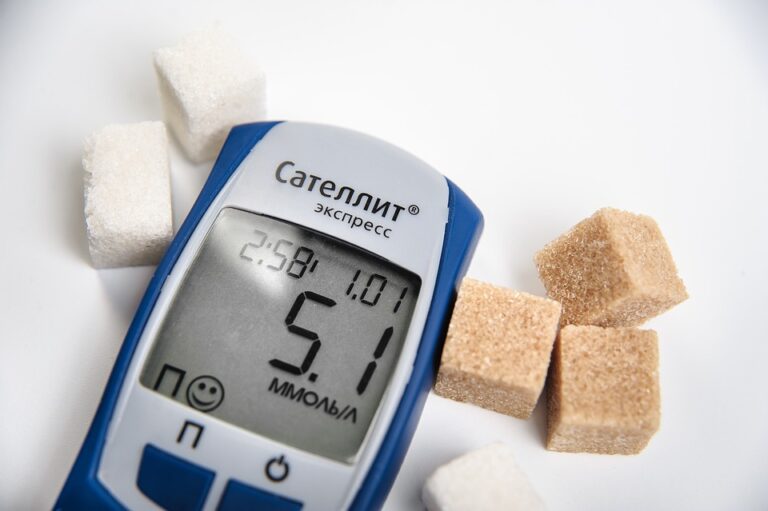
You stopped eating sweets and cookies to reset your energy. You feel frustrated because the scale stays stuck and your afternoon fatigue remains. Many people assume removing glucose solves every metabolic hurdle.
Weight management involves complex systems beyond simple carbohydrate intake. Your body tracks energy balance, hormonal signals, and physical activity levels. You might need a wider view of your daily habits.
Your sugar free diet is not fixing your metabolism because it lacks a focus on total energy density and muscle maintenance. Most individuals require a calorie deficit combined with resistance training to see shifts in how their body uses energy. Focusing on one ingredient removes the context of your overall intake.
Key Takeaways
- Total calorie intake must remain below your daily expenditure to trigger changes in body weight by roughly 300 to 500 calories per day.
- Adequate protein intake preserves muscle mass which accounts for nearly 20 to 30 percent of your resting energy output.
- Activity levels outside of structured gym time influence metabolic health by up to 15 percent of your total daily burn.
I observed that my clients who swapped refined treats for processed low sugar snacks gained no ground until they prioritized real food and heavy lifting.
1. The Calorie Reality Check
Energy Balance Basics
Energy balance dictates whether your body stores or uses tissue. Your metabolism responds to the total load of fuel you provide. Removing sugar does not change this physical law.
Weight loss occurs when your output exceeds your intake. Your body tracks this net difference over days and weeks. You cannot outsmart the basic arithmetic of nutrition.
Research from the National Library of Medicine explains how weight maintenance depends on consistent tracking of food intake. You must eat less energy than you spend to see weight changes. A sugar free label does not guarantee a low calorie profile.
Hidden Calorie Density
Many sugar free products contain high amounts of fats to maintain texture. These fats contain more calories per gram than carbohydrates. You might be consuming more energy than before.
Reading the nutrition label shows the total calorie count. Many people ignore this data while focusing on sugar grams. Total energy volume remains the primary driver of body composition.
Your brain monitors incoming fuel signals. High fat snacks often fail to satisfy hunger cues as well as whole foods. This leads to eating more throughout the day.
2. Why Muscle Mass Matters
Resting Metabolic Rate
Muscle tissue burns more fuel at rest than fat tissue. Building muscle increases your daily calorie demand. This process happens through movement and proper nutrition.
Resistance training provides the signal your body needs to grow tissue. You cannot rely on diet changes alone for this purpose. Muscle is your primary defense against a slow metabolism.
Data from the National Institutes of Health indicates that higher protein intake supports muscle synthesis during weight loss. You need this support to keep your body burning fuel efficiently. Focus on building strength to change your internal environment.
Protein Needs Defined
Protein requires more energy for your body to digest. This is known as the thermic effect of food. It adds a small but real boost to your daily burn.
Include a source of protein at every meal. This helps maintain satiety and supports tissue repair. Without enough protein, you lose muscle during weight loss attempts.
Most healthy adults benefit from consistent protein intake. Aim for protein sources that match your activity level. Proper fuel allows your body to perform at its peak.
3. The Role Of NEAT
Non Exercise Activity
NEAT stands for non exercise activity thermogenesis. This covers everything you do that is not a formal workout. It includes walking, standing, and moving around your home.
Many people overestimate how much they move. They sit for most of the day and rely on one short workout. This sedentary pattern slows down your metabolic signals.
Increasing your daily steps creates a steady demand for energy. You can achieve this by walking more throughout your errands. Small movements add up to large impacts over time.
Tracking Daily Movement
Tracking your movement helps you understand your baseline. You might find you move less than you think. Use this data to adjust your habits.
Aim for a consistent daily step count. This regular activity regulates your appetite and mood. It is one of the most reliable ways to sustain health.
Consistency matters more than intensity. A daily walk yields better results than a single weekend session. Your body thrives on steady, daily activity.
4. Biological Feedback Loops
Hunger Hormones
Your body uses hormones to signal when it needs fuel. These signals often get confused by processed ingredients. High intensity sweeteners can disrupt your natural appetite response.
Real food sends clear messages to your brain. You feel full when you consume adequate fiber and protein. This helps you avoid overeating without tracking every gram.
Research from the Centers for Disease Control highlights the importance of whole food patterns. Choose fruits, vegetables, and lean meats. These foods align with your biological needs.
Satiety And Fiber
Fiber creates volume in your digestive system. It slows down the speed at which you absorb energy. This keeps your blood sugar stable without the need for restriction.
Many sugar free diets lack sufficient fiber. This leaves you feeling hungry and prone to grazing. You need plants to keep your digestion on track.
Prioritize whole grains and legumes for fiber. These foods provide long lasting energy. Your metabolism works best when it has steady fuel sources.
5. Quantitative Metabolic Calculation
The Math Of Weight
You can calculate your needs using simple math. Start by finding your maintenance calories. This is the energy you burn at rest plus your daily activity.
For example, if you weigh 160 pounds and exercise moderately, you might need 2000 calories. Reducing this by 400 calories creates a deficit. This targets a sustainable weight loss of one pound per week.
Compare this to your current intake. If your sugar free diet contains 2200 calories, you will not lose weight. You must monitor the total numbers.
Comparing Fuel Sources
| Source | Energy Per Gram | Metabolic Effect |
| Protein | 4 Calories | High Thermic Effect |
| Carbs | 4 Calories | Immediate Fuel |
| Fat | 9 Calories | Storage Capacity |
Use this table to guide your plate choices. Protein offers the best return on investment for your metabolism. Fats are calorie dense and require portion control.
Carbohydrates provide fuel for your workouts. Time them around your training sessions for best results. This strategy supports energy without overload.
6. The Impact Of Sleep
Recovery Signals
Sleep is when your body repairs tissue. Poor sleep disrupts your hunger hormones. You feel hungrier and less likely to move when you are tired.
Lack of sleep increases cortisol levels. This hormone can signal your body to store energy in the midsection. You cannot diet your way out of poor rest.
Make sleep a priority for your metabolic health. Aim for seven to nine hours of quality rest per night. Your body needs this time to reset its signals.
Circadian Rhythm
Your body has an internal clock. It prefers to process energy during daylight hours. Eating late at night disrupts this natural flow.
Keep your eating window consistent. Aim to finish your last meal a few hours before bed. This allows your body to focus on repair overnight.
Follow a regular schedule for meals and rest. This predictability signals to your body that it is safe to function. A regulated system is a more efficient system.
7. Stress Management
Cortisol And Metabolism
High stress levels shift your body into a protective state. You become more efficient at storing energy when you feel threatened. This is a survival response.
Chronic pressure keeps these signals active. You might notice difficulty losing weight even with a clean diet. Managing your stress is part of the work.
Find ways to lower your daily tension. This might include breathing exercises or simple walks. Calmness supports a healthy metabolic environment.
Environment Design
Your environment influences your stress levels. A disorganized home can lead to mental fatigue. Simplify your space to reduce daily friction.
Remove distractions that cause unnecessary pressure. Focus on activities that restore your energy levels. A calm environment promotes healthier choices.
Design your kitchen for success. Keep healthy snacks visible and easy to reach. This lowers the mental effort required to eat well.
8. Nutrient Density
Vitamins And Minerals
Your metabolism needs micronutrients to function. These include vitamins and minerals found in whole foods. A diet of processed sugar free items often lacks these elements.
You cannot replace whole foods with supplements. They work best in combination with the fiber and water found in nature. Eat a wide variety of colors.
Your body uses these nutrients to process energy. Without them, your systems lag. Focus on quality to get better results.
The Cost Of Quality
High quality food costs more in time and money. It is an investment in your long term health. You save resources by avoiding future issues.
Shop the perimeter of the store for whole foods. This area contains the freshest items. Avoid the middle aisles where processed goods hide.
Preparation is part of the process. Spending time in the kitchen connects you to your fuel. This leads to better decision making at every meal.
9. Alcohol And Beverages
Empty Liquid Calories
Beverages often hide extra energy. Alcohol contributes significant calories without nutritional value. It also disrupts your sleep patterns.
Many sugar free sodas contain chemicals that affect your palate. They keep your cravings for sweetness high. Water is the best choice for your system.
Monitor your liquid intake as closely as your food. Calories from drinks count toward your daily total. Choose hydration that supports your goals.
Hydration Mechanics
Water is essential for every cell. Proper hydration improves your focus and performance. You burn more energy when you are hydrated.
Carry a water bottle to track your intake. Aim for consistency throughout the day. Dehydration often mimics hunger signals.
Avoid calorie rich coffees and teas. These can add up to hundreds of energy units. Simple beverages are best for your goals.
10. The Trap Of Perfection
Sustainable Habits
Sustainability is better than speed. Many people fail because they aim for perfect restriction. This approach always leads to burnout.
Make small changes that you can keep for years. This might include adding one vegetable to every meal. Small steps build lasting momentum.
Enjoy your food while maintaining your goals. A flexible approach lasts much longer than a rigid one. Consistency over time produces the results you want.
Self Compassion
You will have days where your choices are not optimal. This is part of the process. Do not let one meal derail your entire week.
Learn from your mistakes and move forward. Your metabolism does not reset based on one meal. It looks at the trend of your behavior.
Be kind to yourself throughout this journey. Wellness is a practice rather than a final destination. Keep moving toward your goals.
11. Digestive System Health
Gut Microbes
Your gut bacteria play a role in how you process energy. A diverse diet supports a healthy gut. Processed foods can negatively impact this balance.
Fiber acts as food for your healthy bacteria. It keeps your digestive tract moving. You need these microbes to maintain a healthy weight.
Include fermented foods like yogurt or kraut. These provide helpful bacteria to your system. A healthy gut is a key part of your metabolic health.
Inflammation Triggers
Chronic inflammation can slow down your progress. It often stems from low quality food or lack of rest. Identify the triggers in your life.
Whole foods help reduce inflammation in your body. Focus on plant based sources to keep inflammation low. This allows your metabolism to function well.
Listen to your body signals. Bloating or fatigue can indicate issues with your current intake. Adjust your habits based on how you feel.
12. Long Term Maintenance
Monitoring Progress
Track your results over months rather than days. Weight fluctuates daily due to water and salt. Look for the long term trend instead.
Use measurements like how your clothes fit. These are often more accurate than a scale. Celebrate the small wins along the way.
Adjust your plan as your body changes. You might need less energy as you lose weight. Stay flexible and informed about your needs.
Adjusting The Plan
Your metabolism will adapt to your intake. This is why you must periodically assess your goals. Do not be afraid to change your strategy.
Seek guidance if you feel stuck for too long. A coach or professional can offer an outside perspective. They help you stay on track.
Stay focused on the big picture. Your health is a long term commitment. Small, consistent choices lead to the best results.
Frequently Asked Questions
Why does the scale not change?
The scale reflects total body mass which includes water, waste, and tissue. Many factors cause daily fluctuations that mask actual fat loss. Your body holds onto water when you increase training or change salt intake.
Focus on your energy balance over several weeks. If the scale remains stuck, you might need to adjust your total food intake or activity levels. Consistency with your goals is the only way to move the needle.
Are artificial sweeteners a problem?
These ingredients provide a sweet taste without the caloric load of sugar. Some individuals find they maintain a craving for sweets because these additives keep their palate focused on intense flavors. They also do not provide the fiber or nutrients found in whole foods.
Using them in moderation is usually safe for most people. However, replacing your primary diet with these items leaves you missing out on essential fuel. Use them sparingly as a tool rather than a foundation for your nutrition.
Should I track my macros?
Tracking provides a clear view of exactly what you consume. It removes the guesswork from your daily intake. You learn about the energy density of different food groups through this practice.
You do not need to track forever. Many people use this method to calibrate their intuition regarding portion sizes. Once you understand your needs, you can switch to mindful eating without the constant need for recording numbers.
How much cardio is necessary?
Cardio improves your heart health and burns energy during the session. It does not build the muscle mass that drives your resting metabolism. You need a mix of activity for the best outcome.
Include enough cardio to support your heart and mood. Keep your focus on resistance training to build the muscle that keeps your metabolism high. A balanced approach serves your body better than focusing on one type of exercise.
Is protein powder useful?
Protein powder is a convenient way to meet your intake targets. It works well when you are busy and lack time for full meal preparation. It helps you reach your daily goals without unnecessary fat or carbohydrates.
Real food should remain your primary source of protein. Whole sources offer more nutrients and digestive support than powders. Use supplements as a support tool rather than a replacement for whole meals.
The Bottom Line
Your sugar free diet is not fixing your metabolism because metabolic health depends on total energy balance, muscle mass, and daily activity. Focus on consuming nutrient dense whole foods, moving your body often, and managing your rest. Achieving your goals requires a shift in habits rather than just removing one ingredient. Consult a licensed healthcare provider before starting any new wellness routine.
Get Your FREE Natural Health Guide!
Subscribe now and receive our exclusive ebook packed with natural health tips, practical wellness advice, and easy lifestyle changes, delivered straight to your inbox.