Most of us feel a strange disconnection when we stare at a screen all day while our physical health seems to drift toward a state of constant fatigue. We often forget that our ancestors spent their entire lives with their hands deep in the earth. This literal connection to the planet might influence our internal biology in ways we are only now starting to grasp through the lens of modern science.
You might wonder if the dirt under your fingernails could actually contribute to the balance of the microscopic life within your digestive system. While this concept sounds unconventional, many individuals now focus on the natural ways that gardening for soil gut probiotics helps to foster a diverse internal ecosystem. Engaging with the natural world provides a unique set of variables that standard indoor living simply cannot replicate.
Gardening for soil gut probiotics works because contact with earth exposes individuals to a wide array of diverse microbes that populate the human microbiome. Frequent interaction with organic matter helps to introduce beneficial organisms into the body through minor skin contact and inhalation. This natural exposure encourages a more resilient and varied internal environment for those who spend regular time working in the soil.
Key Takeaways
- Research published by the National Library of Medicine indicates that frequent exposure to environmental biodiversity supports human immune function.
- Studies show that individuals living in rural or farming environments often possess significantly higher levels of microbial diversity in their systems compared to urban dwellers.
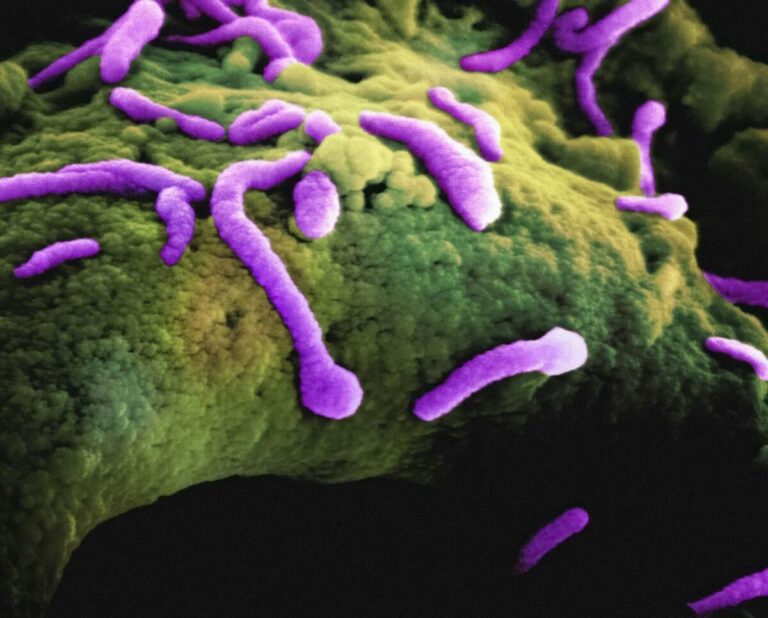
- The presence of common soil bacteria like Mycobacterium vaccae suggests a potential link between time spent outdoors and improvements in mood regulation.
The Biological Connection To Earth Microbes
Our bodies exist in a constant state of exchange with the environment around us. Every breath and every touch adds to the complex web of tiny life forms that call our systems home. When you work with plants, you invite a new set of guests into your personal biosphere that can support your overall health.
These organisms do not just sit on the surface of your skin. They travel through the air and land on the produce you grow in your own backyard. Eating a fresh carrot pulled straight from the ground introduces these environmental partners directly into your digestive tract.
This process acts like a natural seed bank for your internal health. Instead of relying solely on store bought supplements, you gain access to a living library of organisms adapted to your local climate. This local adaptation is a missing link for many people trying to improve their physical resilience.
Variables In Microbial Exposure
| Environment Type | Microbial Variety | Health Impact |
| High Density Urban | Limited Range | Lower Diversity |
| Managed Home Garden | High Range | Broad Spectrum |
| Deep Wild Forest | Extreme Range | High Resiliency |
How Gardening For Soil Gut Probiotics Functions
You can view your garden as a living laboratory where you manage the conditions for beneficial life to flourish. By avoiding harsh chemical interventions, you allow the natural population of healthy organisms to dominate the soil structure. This creates a safer environment for you to work in and derive wellness benefits.
The process of planting, weeding, and harvesting creates enough movement to aerosolize small amounts of dust and microscopic particles. You inhale these particles while you work. Your system processes these inputs and incorporates them into your existing framework of health.
Following a consistent, weekly schedule in your garden ensures that your body maintains a steady stream of these environmental inputs. Occasional, sporadic visits do not provide the same depth of influence as a steady habit. Consistency remains the most important factor when you want to see measurable changes in your personal vitality.
Practical Steps For Starting Your Garden
- Start Small with a few raised beds that allow you to control the soil quality and avoid contamination from previous industrial use.
- Use Compost that is generated from your own kitchen scraps to encourage the growth of healthy, diverse microbial communities in your garden beds.
- Minimize Gloves whenever possible to allow direct skin contact with the earth, as this is the primary method for gathering these beneficial organisms.
- Wash Lightly only the excess dirt off your vegetables rather than scrubbing them down to a sterile finish, which preserves the living surface benefits.
- Plant Diverse species of vegetables and herbs to increase the complexity of the microbes living in the soil around your root systems.
Understanding The Role Of Biodiversity
A sterile environment is often the enemy of a strong immune system. When we over sanitize our living spaces, we remove the very challenges that our bodies need to remain sharp and prepared. The research from Centers for Disease Control highlights how whole food intake supports long term health goals. Adding the environmental component through gardening creates a bridge between your food choices and your physical surroundings.
You want a garden that mimics the complexity of a natural forest floor rather than a perfectly manicured lawn. Fallen leaves and organic mulch provide the fuel for the microbial life that you eventually host in your own gut. This creates a cycle where the health of your soil directly dictates the potential health of your own internal system.
Frequently Asked Questions
Does washing vegetables remove all the benefits of the soil?
Washing your vegetables is a safety practice for removing debris and potential pathogens, but it does not remove every microscopic organism. Beneficial bacteria often cling to the surface of root vegetables in ways that a light rinse cannot strip away. You still gain significant advantages by consuming produce that spent its growth cycle in a healthy, biologically active environment.
The goal is not to eat actual mud or dirt with your dinner. You want the subtle exposure that remains after a gentle cleaning process is finished. Most individuals find that this middle ground between cleanliness and exposure is enough to support a robust and diverse internal microbiome.
How long does it take to notice a shift in my internal health?
Changes in your digestive comfort and immune response do not happen overnight. The human body requires time to integrate new microbial guests and adjust to the change in your internal environment. Most people report feeling a difference in their energy and digestion after four to six weeks of consistent work in their gardens.
You should view this as a long term shift rather than a quick fix for specific issues. The more you immerse yourself in the natural cycles of planting and harvesting, the more you support the baseline stability of your system. Patience is essential when working with biological processes that operate on their own timeline.
Can I get the same benefits from buying soil at a store?
Store bought soil is often processed, heat treated, or sterilized to prevent the spread of diseases and weeds. These processes strip the soil of the very diversity that makes gardening so beneficial for your internal health. If you want the best results, you must work toward building your own living soil through composting and natural mulching techniques.
Creating your own fertile ground takes time but provides a superior source of microbial variety. You become the steward of your own backyard ecosystem. This intentional approach allows you to control the variables that influence your health and ensures you are not introducing unknown chemicals into your food chain.
Are there risks to touching raw garden soil?
Most healthy individuals can safely handle garden soil, but common sense is required to avoid potential hazards. It is wise to check for local soil testing results to ensure your ground is free from heavy metals or toxic pollutants. Avoiding direct contact if you have open wounds is also a smart way to manage your personal safety.
Consult a licensed healthcare provider before starting any new wellness routine if you have a compromised immune system. They can offer guidance based on your specific needs and medical history. Never stop or change any medication without consulting the provider who recommended it.
Does the type of plant I grow matter for my gut health?
The variety of plants you choose to grow has a direct impact on the types of organisms that flourish in your garden. Different root systems support different types of microbial life in the surrounding earth. A monoculture of one single crop will result in a less diverse soil profile compared to a garden filled with a mix of leafy greens, root vegetables, and herbs.
You should aim for maximum variety to encourage a wider spectrum of beneficial life. This mirrors the variety you want to foster within your own digestive tract. By rotating your crops every season, you keep the soil active and alive with a constant supply of new and interesting microbial partners.
The Bottom Line
Gardening for soil gut probiotics provides a direct, natural path to enhancing your internal microbial diversity. By moving away from hyper-sanitized living and re-engaging with the earth, you invite beneficial organisms into your life. This process supports your physical resilience in a way that modern synthetic solutions cannot replicate.
Start your own patch of earth this season and pay attention to how your body responds to the rhythm of the soil. Spend time outdoors every week to maintain the connection between your garden and your inner health. Begin by clearing a small, manageable plot in your yard today.
This information is for educational purposes only and is not intended to replace professional medical guidance. Individuals with specific health concerns should always consult a licensed healthcare provider before starting any new wellness routine.
Get Your FREE Natural Health Guide!
Subscribe now and receive our exclusive ebook packed with natural health tips, practical wellness advice, and easy lifestyle changes, delivered straight to your inbox.