Understanding Metabolic Inflexibility Symptoms And Natural Correction
Many people feel a constant mid afternoon slump that drags down their entire day. You might assume this tired state is just a part of aging or your busy work schedule. The reality is that your body may have lost the agility to switch between different fuel sources.
Your cells often get stuck using one primary type of fuel while ignoring others. This inability to move fluidly between burning fat and sugar leads to common daily energy crashes. We call this a lack of metabolic agility or efficiency.
Metabolic inflexibility symptoms and natural correction involves eating nutrient dense whole foods every four hours and engaging in consistent low intensity movement to retrain your cellular machinery. Stable blood sugar levels provide the foundation for consistent energy throughout your busy day. This approach helps your body return to a state of natural balance and internal harmony.
Key Takeaways
- Healthy individuals typically show blood glucose stability within a range of 70 to 110 milligrams per deciliter throughout the day.
- Clinical data from the National Institute of Diabetes suggests that maintaining muscle mass supports better long term fuel processing.
- Research from the National Institutes of Health indicates that adequate micronutrient status plays a role in sustaining cellular vitality.
I have observed that clients who prioritize protein at breakfast experience significantly fewer sugar cravings during the afternoon compared to those eating carbohydrate heavy meals.
How Your Body Manages Energy Flow
Your cells act like engines that need specific fuels to run. When you eat, your body processes carbohydrates into glucose for quick power. Between meals, a healthy system switches to stored fat for a slower burn.
The Shift From Glucose To Fat
Glucose is the go to energy source for high intensity tasks. Your body prefers to use it quickly because it requires less work to break down. Stored fat serves as your backup battery for low intensity activities like walking or resting.
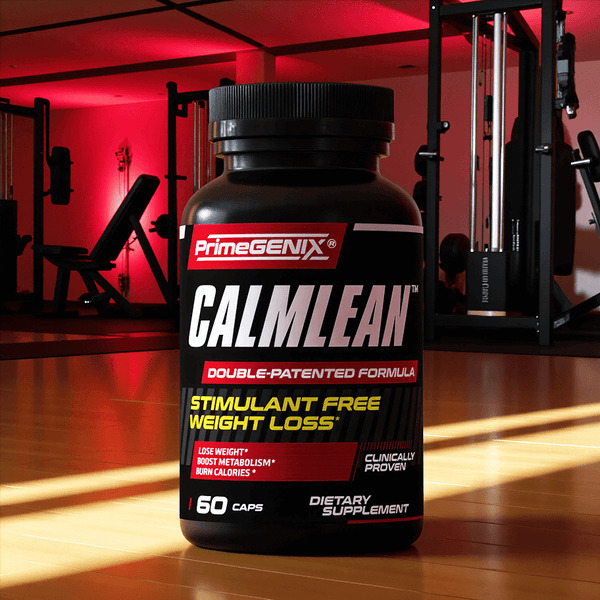
CalmLean™ Stimulant-Free Metabolism Support
- Engineered with ForsLean® to support metabolic baseline without caffeine
- 100% stimulant-free formulation avoids energy crashes and jitters
- Manufactured in a cGMP-compliant, FDA-registered facility
Signs Of A Stalled System
You may notice signs of a sluggish system if you rely on caffeine to wake up. Frequent hunger pangs between meals often signal that your body cannot tap into fat reserves effectively. This reliance on external sugar keeps you trapped in a cycle of constant refueling.
Signs That Your Metabolism Needs Attention
Your body sends subtle signals when it struggles to balance fuel usage. You might feel shaky or irritable if a meal is delayed by even an hour. These feelings often point to a dependency on constant glucose intake.
- Persistent Hunger: You find yourself craving snacks shortly after finishing a full meal.
- Brain Fog: You experience difficulty concentrating or feeling sharp during the mid morning hours.
- Slow Recovery: Your muscles feel tired for long periods after simple physical tasks or activities.
| Metric | Stable Metabolism | Sluggish System |
|---|---|---|
| Meal Timing | Every 4 to 6 hours | Every 1 to 2 hours |
| Energy Levels | Consistent all day | Spike and crash pattern |
| Fuel Choice | Fat and sugar mix | Sugar dependency |
The Role Of Movement In Fuel Efficiency
Physical activity acts as a signal for your cells to prioritize efficiency. Even small bouts of movement help your muscles clear glucose from the blood. This prevents the roller coaster of insulin spikes that often lead to afternoon fatigue.
Consistency Over Intensity
You do not need to train like an athlete to see changes. Regular walking or light resistance training creates a demand for energy. Your body responds by becoming better at burning whatever fuel is available.
The Biology Of Muscle Activation
Muscles contain tiny structures that turn fuel into work. When you remain inactive, these structures become lazy and less responsive. Regular movement forces these parts to stay active and ready to handle incoming energy.
Strategic Nutrition For Better Balance
What you eat dictates how your cells perceive the environment. A diet rich in protein and fiber sends signals of abundance and stability. This prevents the panic response that occurs when blood sugar drops too low.
- Lean Proteins: Chicken or fish provide building blocks for tissue repair and sustained satiety.
- Healthy Fats: Olive oil and avocado support cellular membrane health and provide slow burning fuel.
- Leafy Greens: These contain minerals that facilitate the work of your internal energy producers.
Demonstrating Your Daily Energy Calculation
To understand your fuel needs, consider a standard day of activity. You need to balance your intake to prevent excess storage. This formula helps you gauge your needs without complex math.
Take your body weight in pounds and multiply it by ten to find your baseline. Add three hundred calories for moderate movement like a brisk walk or standing work. This total represents the amount your body burns through simple daily existence.
If you find that your current intake exceeds this number, try adjusting your meal composition. Use more protein and fewer refined grains to keep your energy stable. Observe how your body feels after three days of this adjustment.
The Importance Of Sleep Quality
Your body performs critical maintenance during the night. Lack of rest disrupts your hunger signals and your ability to manage fuel. This makes it hard to maintain balance during the following day.
Hormones And Your Hunger
Sleep deprivation raises the hormone that makes you crave sugar. It also lowers the hormone that tells you when you are full. This combination sets the stage for overeating and subsequent energy dips.
Creating A Nighttime Routine
Focus on darkness and cool temperatures for deep rest. Avoid screens for at least one hour before lying down. These habits signal to your biology that it is time to focus on repair.
Hydration And Mineral Balance
Water is the medium for every chemical reaction in your body. Dehydration mimics the feeling of hunger and fatigue. You often think you need food when you really need water.
Why Minerals Matter
Electrolytes like magnesium and potassium help move fuel into cells. A diet lacking in colorful vegetables often fails to provide enough of these essential tools. This makes energy production slower and less efficient.
Simple Ways To Hydrate
Carry a reusable bottle throughout your day. Add a pinch of sea salt to your water for a mineral boost. Notice how much better you feel when your cells are properly hydrated.
Frequently Asked Questions
Why do I feel tired even after a full night of sleep?
Feeling tired despite getting enough hours in bed often points to a lack of deep restoration. Quality matters as much as quantity when it comes to your nightly rest cycle. If your sleep is interrupted or light, your body cannot effectively process the fuel you consumed the day before. This leaves you feeling sluggish and dependent on stimulants the moment you wake up.
You might also examine your evening meal habits. Eating large amounts of refined carbohydrates right before bed can lead to blood sugar swings during the night. These swings disrupt your sleep cycles and prevent you from entering the deeper stages of rest your cells require. Focus on eating lighter meals in the evening to allow your system to rest properly.
Can drinking coffee cause my energy to dip later?
Caffeine acts as a temporary mask for your energy levels. It signals your body to release stored glucose for an immediate rush of alertness. When that effect wears off, your system often feels a sharp drop as the available fuel has been depleted rapidly. This creates a reliance on the next cup to sustain basic functions.
The timing of your caffeine intake plays a major role in your daily rhythm. Having your last cup too late in the afternoon can prevent your body from settling down at night. This interferes with your rest and leaves you more vulnerable to energy dips the following day. Try limiting your coffee consumption to the early morning hours to see if your afternoon stability improves.
Are snacks necessary for maintaining stable energy?
Snacks are only necessary if your main meals lack enough substance to hold you over. If you eat enough high quality protein and fiber at breakfast and lunch, you may find that you do not need to eat between meals at all. Constant grazing can keep your insulin levels elevated for too long, which prevents your body from burning stored fat.
If you find that you truly need a snack, choose one that emphasizes stability rather than a quick sugar hit. A small serving of raw nuts or a piece of cheese can provide the steady fuel you need to bridge the gap to your next meal. Avoid processed snacks that contain added sugars or refined grains as these will only trigger another crash later.
Does the type of exercise I do affect my metabolic efficiency?
The type of movement you choose tells your body which fuel system to emphasize. High intensity work uses mostly sugar, while low intensity work relies on a blend of fuel including fat. A balanced routine incorporates both styles to keep your system flexible and capable of using whatever resources are present.
If you only do high intensity work, you might find yourself constantly craving carbohydrates to replenish your stores. If you rarely move, your body may lose the ability to burn fat effectively. Aim for a mix of strength training and gentle movement throughout your week. This keeps your cells adaptable and responsive to the changing demands of your daily life.
How long does it take to notice an improvement in energy?
Most people notice a shift in their energy levels within two weeks of changing their habits. The body is adaptable and responds quickly to improved nutrition and more consistent movement patterns. You might start by noticing that your morning fog clears or that you no longer need that mid afternoon nap.
Consistency remains the most important factor in seeing lasting change. Do not expect to see a total shift in a single day as your biology needs time to adjust to a new way of processing fuel. Keep tracking your progress by observing your mood and focus levels throughout the day. Small wins build into a stronger foundation over time.
The Bottom Line
You can reclaim your vitality by focusing on the fundamentals of consistent nutrition and movement. Understanding metabolic inflexibility symptoms and natural correction is the first step toward feeling sharp and capable all day. By choosing dense whole foods and staying active, you support your internal systems and restore your natural balance. This simple approach puts you back in charge of your daily energy. Consult a licensed healthcare provider before starting any new wellness routine.
This information is intended for educational guidance and does not apply to individuals with diagnosed hormonal conditions or those currently pregnant or breastfeeding. Consult a licensed healthcare provider before starting any new wellness routine.
Get Your FREE Natural Health Guide!
Subscribe now and receive our exclusive ebook packed with natural health tips, practical wellness advice, and easy lifestyle changes, delivered straight to your inbox.