Why Butter Coffee Stopped Working For My Weight Loss
Many coffee drinkers start their morning with a blended cup of fat to jumpstart their day. This ritual feels like a solid way to manage hunger and focus. You might notice the scale stays still after a few months of this habit.
Weight loss depends on a consistent deficit between the energy you take in and the energy you use. Adding hundreds of calories of fat to your beverage often cancels out the benefits of fasting. People stop losing weight because their total daily intake exceeds their burn rate.
Butter coffee stopped working for my weight loss because I ignored the math behind my total caloric intake. Replacing a balanced breakfast with high fat drinks can lead to hidden weight gain when the fat content is not accounted for in your daily budget. Tracking every calorie provides the clarity needed to resume progress.
Key Takeaways
- Standard butter coffee contains 200 to 500 calories per serving depending on the amount of oil used.
- The Dietary Guidelines suggest keeping saturated fat intake to under 10 percent of your daily calories.
- A single cup often contains 25 to 50 grams of pure fat which exceeds the amount found in a standard breakfast.
I found that replacing a meal with buttered coffee added 400 calories to my day without keeping me full until lunch.
The Math Of Morning Energy
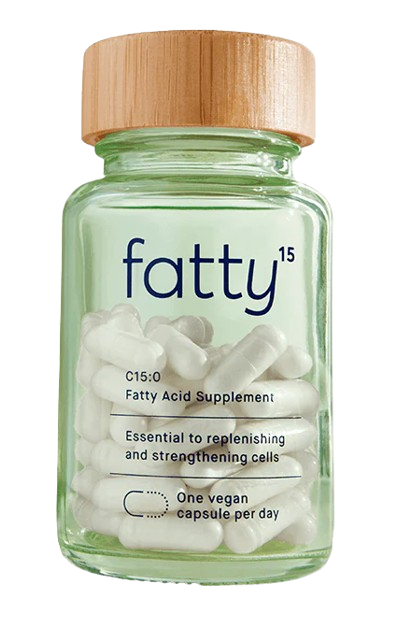
fatty15™ C15:0 Essential Fatty Acid
- Science-backed, pure C15:0 supplement designed to provide foundational support for cellular health
- Promotes balanced metabolism, steady daily energy, and healthy aging from the inside out
- Vegan-friendly, pure, and manufactured in a cGMP-compliant facility
Weight management is a game of numbers. Your body requires a specific amount of fuel to maintain its current state. Adding extra fat changes your baseline.
The Calculation Example:
If you drink one cup of coffee with two tablespoons of butter and one tablespoon of oil, you consume about 400 calories. If you continue eating three normal meals, you add 2800 calories to your weekly intake. This surplus forces your body to store the extra energy as fat.
| Component | Calorie Count | Fat Grams |
|---|---|---|
| Butter 2 Tbsp | 200 | 23 |
| MCT Oil 1 Tbsp | 120 | 14 |
| Black Coffee | 5 | 0 |
1. Hidden Caloric Density Issues
Fat contains nine calories per gram. This makes it more dense than protein or carbohydrates. Small portions quickly add up to large numbers.
The Volume Misconception
We often assume that a drink does not count as a meal. Our brains do not register liquid calories the same way as solid food. You might feel hungry an hour later despite consuming high energy content.
Impact On Satiety Signals
Solid food triggers different hormonal responses than liquid fat. Chewing sends signals to your brain about fullness. Drinking your fat skips this important part of the digestion process.
2. Saturated Fat And Heart Health
Consuming large amounts of butter every morning changes your blood fat profile. Scientific evidence from the National Institutes of Health indicates that high saturated fat intake relates to cholesterol levels. Moderation remains the safest path.
3. The Intermittent Fasting Trap
Many people use this drink to extend their morning fast. Adding butter technically breaks the fast for your digestive system. Your body processes the fat even if your insulin response stays low.
Digestion Energy Needs
Your gallbladder and liver work to break down fats. This process burns some energy but not enough to cover the load of a large coffee drink. You gain more fat than you burn.
Metabolic Flexibility Limits
The body likes to burn the fuel you give it most recently. If you provide a large dose of fat, your body burns that rather than your own stored tissues. You hinder your own fat burning efforts.
4. Nutrient Deficiencies Over Time
Coffee is not a nutrient dense food. Relying on it for a large portion of your morning calories excludes vitamins and minerals. You miss out on fiber and protein found in real food.
5. Insulin And Blood Sugar Shifts
Even if butter does not spike insulin, the context of your day matters. If you eat a high carb meal later, your body has excess fuel available. The mix of high fat and high carb diets is problematic for weight goals.
6. The Role Of Micronutrients
Vegetables and lean proteins offer more than just energy. They provide the cofactors needed for your body to function well. A drink cannot replace the complexity of whole foods.
Bioavailability Of Nutrients
Some vitamins require fat for absorption. However, you do not need hundreds of extra calories to absorb a salad. A small amount of olive oil at lunch suffices.
The Importance Of Protein
Research from the United States Department of Agriculture emphasizes that protein helps with hunger. Replacing protein with butter leaves you feeling empty. This leads to snacking later in the day.
7. Gut Microbiome Health
Your gut bacteria thrive on fiber. Butter does not feed your microbiome. A lack of diversity in your diet impacts your long term health.
8. Psychological Dependence On Rituals
We often equate habits with results. If you feel like your routine is working, you might ignore the scale. You must look at the reality of your progress.
Frequently Asked Questions
Does butter coffee cause weight gain?
Weight gain occurs when you consume more energy than your body requires for daily tasks. If your coffee drink puts your daily total above your maintenance needs, you will store the extra energy as fat.
Many individuals underestimate how much fat is in two tablespoons of butter. These calories accumulate quickly and often lead to stagnation or increases in body mass over time.
Can I drink it on a keto diet?
You can include it in a low carb routine if it fits your specific calorie budget. Many people on low carb plans find that they do not need the extra fat once their body adapts to burning its own stores.
Tracking your intake remains essential for success regardless of your diet type. If you reach a plateau, the coffee is often the first item to remove for better results.
What should I drink instead?
Black coffee or green tea are excellent choices for the morning. They provide focus and antioxidants without adding hundreds of calories to your daily total.
If you prefer a creamy texture, try a splash of almond milk or a small amount of collagen protein. These options offer flavor and structure without the intense energy density of butter.
How do I break the plateau?
The most effective way to resume progress is to lower your total daily caloric intake. Audit your snacks and your beverages to see where you can cut back without feeling deprived.
Increase your intake of whole foods like leafy greens and lean meats to keep your hunger managed. Focus on physical movement to help your body use more energy each day.
Is this habit healthy long term?
Daily consumption of large amounts of saturated fat is a subject of debate in the wellness community. Most experts suggest that a balanced diet is better than one heavy in refined fats.
Focusing on a variety of foods ensures you get all the nutrients your body needs to thrive. Over time, reliance on a single drink can lead to nutritional gaps and other health concerns.
The Bottom Line
Why butter coffee stopped working for my weight loss is a lesson in caloric math. Fat is energy, and excess energy leads to stalled results. Prioritize whole foods over blended drinks to see consistent progress.
This information is for educational purposes. It is not intended for people with digestive issues, heart conditions, or those who are pregnant or nursing. Consult a licensed healthcare provider before starting any new wellness routine.
Get Your FREE Natural Health Guide!
Subscribe now and receive our exclusive ebook packed with natural health tips, practical wellness advice, and easy lifestyle changes, delivered straight to your inbox.