
Decaf coffee lovers often face a dilemma. They want to enjoy the rich flavors and warmth of coffee without the jitters or sleepless nights that caffeine can bring. The struggle to find a decaffeinated option that retains the robust taste of regular coffee can be disheartening. Luckily, the Swiss Water Process offers an exceptional solution, allowing coffee enthusiasts to indulge in their favorite beverage without the adverse effects of caffeine.
The Swiss Water Process is a method of decaffeination that uses water and a unique filtration system to extract caffeine from coffee beans while preserving their essential flavors and oils. Unlike other decaffeination methods that may use chemicals, this process is 100% chemical-free and relies solely on water. This makes it particularly appealing to health-conscious consumers who are wary of additives and prefer a natural approach to their coffee choices.
When it comes to taste, the Swiss Water Process has a reputation for producing decaf coffee that rivals its caffeinated counterparts. The method retains the natural flavors of the beans, resulting in a cup of coffee that is flavorful and aromatic. For those who have been disappointed by the lack of depth in other decaf options, switching to Swiss Water Process decaf can be a game-changer.
Understanding the benefits of the Swiss Water Process is crucial for coffee lovers who prioritize both taste and health. This guide will explore how this unique decaffeination method works, the practical applications for enjoying Swiss Water Process decaf coffee, common pitfalls to avoid, and the science behind why this method stands out as the ideal choice for decaf coffee enthusiasts.
Contents
How to Use Swiss Water Process Decaf for Real Results
- Best Form: Whole beans or ground coffee
- Best Time: Morning or afternoon
- Expected Result: Rich, flavorful coffee without caffeine
For Daily Enjoyment
The Prep: Start with high-quality Swiss Water Process decaf coffee beans. Measure out about two tablespoons of coffee for a standard 12-ounce cup. Freshly grinding the beans just before brewing can elevate the flavor profile significantly. Use filtered water to ensure purity and taste.
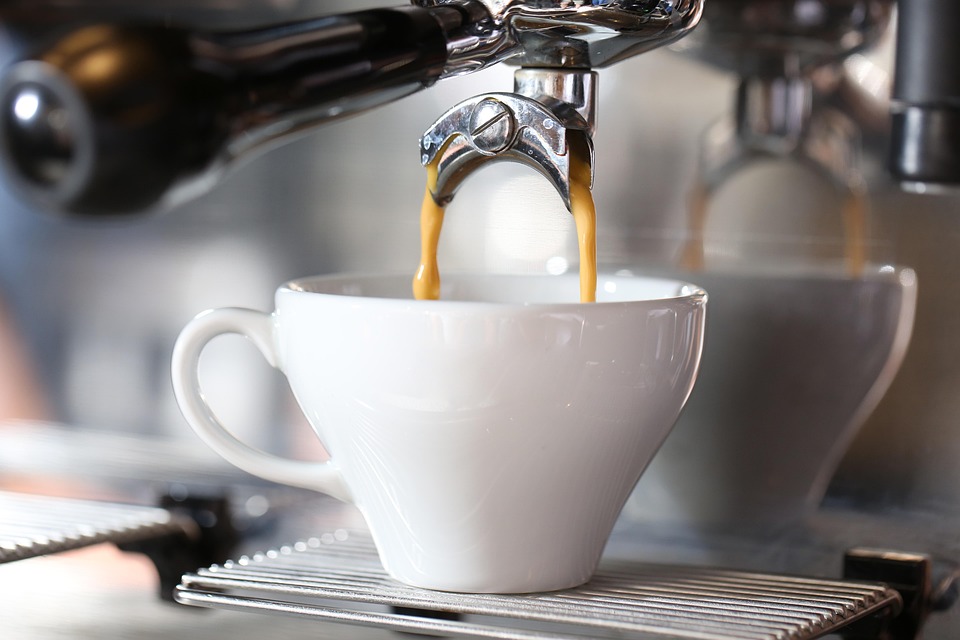
The Action: Use a pour-over or French press method to brew your coffee. If using a pour-over, place a filter in the dripper and add the ground coffee. Slowly pour hot water over the grounds in a circular motion, allowing the coffee to bloom. For a French press, add the grounds to the press, pour hot water, and let it steep for about four minutes before pressing down the plunger.
The Feeling: Expect a warm, comforting sensation as you sip your coffee. The flavor should be rich and smooth, with no bitterness associated with some decaf options. You will likely feel relaxed and satisfied, making it a great start to your day or a pleasant afternoon treat.
Pro Tip: Experiment with different brewing methods to find your favorite flavor profile.
The Evening Ritual
The Prep: Select a medium roast Swiss Water Process decaf for a balanced flavor. Measure out two tablespoons and grind them to a medium consistency. Keep your coffee and equipment clean for the best taste.
The Action: Brew your coffee using a drip machine or pour-over method. If using a drip machine, fill the reservoir with filtered water and add the coffee grounds to the filter. Set the machine to brew. For a pour-over, follow similar steps as before, pouring hot water over the grounds.
The Feeling: The result should be a soothing cup of coffee, perfect for evening relaxation. The aroma will fill your space, creating a cozy atmosphere. You will enjoy the flavors without the worry of sleepless nights.
Pro Tip: Pair your evening coffee with a light dessert for a delightful treat.
Post-Workout Recovery
The Prep: Choose a dark roast Swiss Water Process decaf for a bold flavor. Measure two tablespoons and grind them coarsely. This will help extract the flavors during brewing.
The Action: Brew your coffee using a cold brew method. Combine the coffee grounds with cold, filtered water in a large jar. Let it steep in the refrigerator for 12 to 24 hours, then strain the mixture using a fine mesh or coffee filter.
The Feeling: Enjoy a refreshing iced coffee after your workout. The smoothness and rich flavors will help replenish your energy without the jitters. You will feel revitalized and ready to tackle the rest of your day.
Pro Tip: Add a splash of milk or a flavored syrup for variety.
Common Errors to Avoid When Choosing Decaf
Relying on Cheap Brands
Choosing low-quality decaf coffee can lead to disappointment. Inexpensive brands often use less desirable beans and may employ chemical processes that compromise flavor and health. Prioritize quality by selecting Swiss Water Process decaf, which guarantees a superior taste without harmful additives.
Investing in premium decaf ensures that you enjoy the full spectrum of flavors and aromas. It is worth the extra cost for a beverage that aligns with your health and taste preferences.
Neglecting Freshness
Coffee loses its flavor over time. Stale beans can lead to a dull and flat taste, defeating the purpose of choosing high-quality decaf. Always check the roast date and try to consume your coffee within a few weeks of opening.
To maintain freshness, store your coffee in an airtight container away from light and heat. This simple step can significantly enhance your coffee-drinking experience.
Ignoring Brewing Technique
The method you use to brew your decaf coffee can impact its flavor. Using too hot water or brewing for too long can result in bitterness. Follow recommended brewing times and temperatures to extract the best flavor from your Swiss Water Process decaf.
Experiment with different brewing methods to discover what suits your palate best. Understanding the nuances of brewing can elevate your coffee experience.
The Science Behind Decaf Coffee
The Swiss Water Process operates on a unique principle of osmosis. It utilizes water to dissolve caffeine from the coffee beans while simultaneously preserving the flavor compounds. The process begins by soaking the green coffee beans in hot water, which extracts caffeine and soluble flavor components. This mixture is then passed through a carbon filter that captures the caffeine molecules but allows the flavor compounds to pass through.
Key compounds such as chlorogenic acids are preserved during the Swiss Water Process. These compounds are responsible for the coffee’s distinct flavors and health benefits. The careful extraction ensures that the resulting decaf coffee maintains a taste profile similar to its caffeinated counterpart.
Research indicates that decaf coffee retains many beneficial antioxidants and compounds even after caffeine removal. For more detailed insights into the health benefits of coffee, refer to this PubMed search.
Choosing the Right Decaf Coffee
-
Potency: Look for decaf coffee that emphasizes its flavor profile and strength. Potent coffee provides a more satisfying experience, even without caffeine.
-
Purity: Ensure that the coffee is labeled as Swiss Water Process decaf. This indicates a chemical-free process that retains the natural flavors and oils of the beans.
-
Form: Decide whether you prefer whole beans or ground coffee. Whole beans offer more freshness and flavor, but ground coffee is convenient for quick brewing.
Benefits vs Risks
| The Benefits | Potential Downsides |
|---|---|
| Rich flavor profile similar to regular coffee | May lack the energy boost of caffeinated coffee |
| 100% chemical-free decaffeination process | Higher price point compared to conventional decaf |
| Retains beneficial antioxidants | Not all decaf is created equal; quality varies |
Habits to Enhance Your Decaf Experience
Pairing your Swiss Water Process decaf coffee with mindful habits can elevate your overall experience. Practicing gratitude while sipping your coffee can enhance the enjoyment of the moment. Take time to appreciate the flavors and aromas, which can lead to a more fulfilling experience.
Incorporating a daily journaling practice alongside your coffee ritual can also enhance your mental clarity. Reflecting on your day while enjoying a soothing cup of decaf can create a peaceful routine that promotes relaxation.
Who Should Avoid This?
- Individuals with caffeine sensitivity
- Those with certain heart conditions
- Pregnant or breastfeeding women
- Individuals taking specific medications
Common Questions
Is Swiss Water Process decaf coffee healthier than regular decaf?
Yes, it is chemical-free and retains beneficial antioxidants.
Can I brew Swiss Water Process decaf coffee like regular coffee?
Absolutely. Use the same brewing methods you enjoy for regular coffee.
How can I ensure the decaf coffee I buy is high quality?
Look for brands that highlight the Swiss Water Process and check for freshness.
Does decaf coffee still contain any caffeine?
Yes, decaf coffee contains a small amount of caffeine, typically around 2 to 5 milligrams per cup.
The Bottom Line
Switching to Swiss Water Process decaf coffee offers a flavorful and health-conscious alternative for coffee lovers.
- The Truth: Not all decaf coffee is created equal.
- The Strategy: Brew using the method that brings out the best flavor.
- The Next Step: Experiment with different brands and roasts to find your favorite.
Get Your FREE Natural Health Guide!
Subscribe now and receive our exclusive ebook packed with natural health tips, practical wellness advice, and easy lifestyle changes, delivered straight to your inbox.