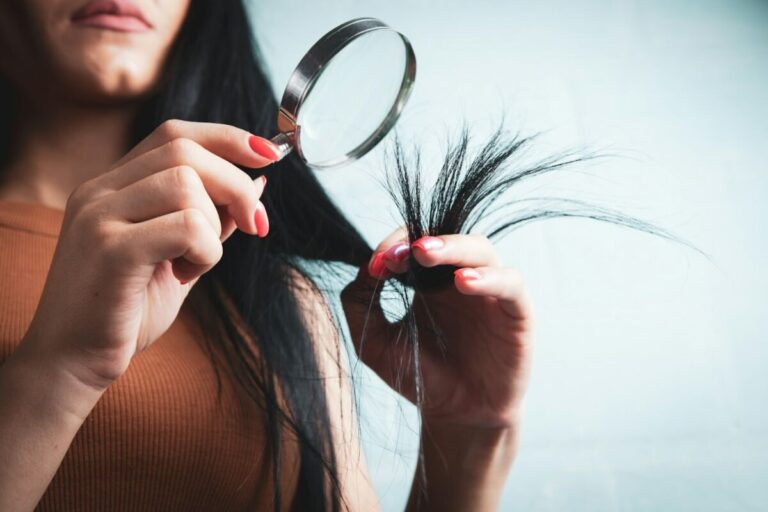
Understanding Why Hair Shedding With White Bulb Attached Happens
Most of us check the drain or our hairbrushes after a shower with a sense of quiet concern. Finding loose strands is a normal part of life, but seeing a small, soft mass at the root often causes immediate worry. This specific visual marker tells a story about the natural lifecycle of your strands as they move through their growth phases.
The presence of this rounded tip confirms that the strand finished its resting phase and detached from the follicle. My research suggests that while this sight appears alarming, it usually points to a natural exit rather than a sudden health crisis. This cycle remains part of the background rhythm of daily maintenance for every individual.

Moringa Magic™ Plant-Based Routine
- Highly bioavailable, plant-based routine designed to provide foundational nutritional support
- Helps your body optimize daily nutrient absorption and address hidden nutrient gaps
- Manufactured in a cGMP-compliant, FDA-registered facility without heavy stimulants
Hair shedding with white bulb attached is the natural end of the telogen or resting phase of the follicle cycle. This bulb is a collection of keratinized cells that form at the base of a completed strand before it falls away. It indicates that the follicle is preparing to produce a fresh strand to replace the one that just departed.
Key Takeaways
- Daily loss typically ranges between 50 and 100 strands for healthy individuals.
- The telogen phase lasts approximately 3 months before a new strand emerges.
- Research from the National Institutes of Health identifies distinct stages of development for follicles.
The Biology Of Natural Growth Cycles
Your scalp functions like a garden that operates on a staggered schedule. Each follicle moves through an independent timeline of activity and rest. When you notice a strand with a visible end point, you are simply observing the culmination of a months long process.
The anagen phase represents the active growth period where the length increases. Following this, the catagen phase marks a short transition. Finally, the telogen phase allows the follicle to rest while holding the dead strand in place. According to studies by the National Library of Medicine, shedding occurs when the new growth eventually pushes the old, inactive strand out.
This shedding process happens across the entire scalp at different times. If all strands fell at once, you would experience baldness cycles rather than constant renewal. Seeing a few strands with bulbs proves that your scalp is busy managing this turnover behind the scenes.
Daily Factors Influencing Strand Retention
Several environmental and lifestyle inputs influence how quickly your follicles cycle. Stress management plays a large role in keeping the growth phases synchronized. Nutritional density supports the production of new keratin as the old strands exit.
Heavy physical stress can sometimes push more follicles into the resting phase prematurely. This creates a temporary increase in volume when those strands reach the end of their cycle a few months later. Maintaining steady hydration and balanced nutrient intake helps support the resilience of the scalp environment.
| Growth Factor | Typical Impact | Stability Level |
| Nutrient Intake | Supports turnover | High priority |
| Physical Stress | Shifts timing | Moderate risk |
| Scalp Hygiene | Removes debris | Essential maintenance |
Identifying Normal Versus Excessive Loss Patterns
Distinguishing between average turnover and accelerated thinning requires observation over time. A few strands in your brush each morning is rarely cause for concern. Significant changes in the density of your ponytail or the width of your part warrant closer attention.
Rapid changes in density often relate to recent systemic events. Events such as illness, major lifestyle shifts, or hormonal fluctuations can impact the entire scalp at once. This creates a visible lag time between the event and the increased rate of shedding.
If you notice a consistent increase in the amount of loss that lasts beyond a few weeks, consider the variables in your daily life. Information from the National Institute on Aging notes that changes in density are common with advancing years. Track your observations in a journal to see if the loss correlates with specific seasonal or lifestyle patterns.
Calculations For Assessing Daily Turnover
You can estimate your average loss rate with a simple counting method over three days. Gather all loose strands from your pillowcase and your brush each morning. Sum the total and divide by the number of days to find your personal average.
Formula for daily average loss:
- Count total strands for Day 1.
- Count total strands for Day 2.
- Count total strands for Day 3.
- Add these three values together.
- Divide that sum by 3 to reach the daily average.
If your average stays under 100, you are likely within the standard range. If the average exceeds 150 consistently, look for patterns in your recent health habits. This simple math helps demystify the process and provides a clearer picture of your own baseline.
Supporting Follicle Resilience Through Nutrition
Your follicles require a steady supply of building blocks to function at their best. Protein provides the essential amino acids needed to construct the keratin structure. Fatty acids help maintain a healthy scalp environment for the growth process.
Iron helps transport oxygen to the cells that keep the growth cycle moving. Vitamin C assists in the absorption of iron from plant sources. Including a variety of whole foods ensures that you receive the broad spectrum of minerals necessary for maintenance.
Avoid restrictive eating habits that limit essential fuel for your cells. When your body prioritizes other functions over peripheral needs, follicle turnover can shift. Prioritize consistent, nutrient dense meals to provide the raw materials needed for ongoing support.
Frequently Asked Questions
Is the white tip a sign of root damage?
The white bulb is a normal structure at the base of a completed strand. It indicates that the hair reached the end of its life cycle and detached from the follicle naturally. It is not an indicator of a damaged root or a problem with the living tissue underneath your skin.
The bulbous end contains protein and is simply the keratinized anchor that once kept the strand held inside the follicle. You are seeing the finish line of a healthy, completed process. This occurs as part of the natural movement of cells within the scalp.
Does brushing pull out healthy strands?
Brushing does not cause healthy, growing strands to detach prematurely. It mostly collects the strands that have already finished their cycle and were just waiting to be brushed away. Gentle brushing helps clear the scalp of these loose strands to keep the environment clean.
If you find a large volume of hair in your brush, those strands were already in the resting phase. Brushing acts as a tool to remove what the scalp already finished with. Use a wide tooth comb to minimize tension on the strands while you detangle.
Will scalp health affect the bulb appearance?
A healthy scalp environment encourages the proper shedding and regrowth cycle. When the skin remains clean and free of excessive buildup, the follicles operate without obstruction. Proper care ensures that the cycle of losing one strand and starting another continues smoothly.
Maintaining a clean scalp involves regular washing to remove oils and dead skin cells. This keeps the follicle opening clear for the next strand to emerge. A balanced scalp environment is the best foundation for consistent growth and normal turnover.
Why does seasonal change impact shedding?
Many individuals notice an increase in the volume of loose strands during specific times of the year. This shift often relates to changes in ambient temperature and humidity levels. These environmental factors can influence the timing of the transition between the resting and growing phases.
Your scalp may adjust its turnover rate based on these external cycles. This is a common phenomenon that typically resolves on its own as your body adapts to the new season. Monitor your daily patterns to see if the timing matches these natural shifts.
Can stress cause more bulbs to appear?
Physical or emotional stress can shift the synchronization of your follicle cycles. When a high percentage of follicles move into the resting phase simultaneously, they will all exit the cycle together later. This leads to a higher volume of strands appearing in your drain at once.
This situation is usually temporary and reflects a past event rather than current stress. As the follicles move back into their individual, staggered schedules, the volume will likely return to your normal baseline. Focus on recovery and steady routines to support your body during this phase.
The Bottom Line
Finding a strand with a bulb is simply part of the natural rhythm of your scalp. Most instances represent healthy turnover rather than a deeper concern. Understanding the three phases of growth helps remove the mystery and worry associated with this daily observation.
Keep a record of your average loss over several weeks to build a clear picture of your personal baseline. If you notice a sudden, dramatic change in volume, take a moment to look at your recent lifestyle and nutrition habits. Never stop or change any medication without consulting the provider who recommended it. Consult a licensed healthcare provider before starting any new wellness routine.
People with pre existing autoimmune conditions or those currently undergoing intensive medical procedures should prioritize professional oversight regarding hair changes. Consult a licensed healthcare provider before starting any new wellness routine.
Get Your FREE Natural Health Guide!
Subscribe now and receive our exclusive ebook packed with natural health tips, practical wellness advice, and easy lifestyle changes, delivered straight to your inbox.