The Direct Connection Between How Estrogen Drop Affects Synovial Health In Women And Physical Mobility
I feel the morning stiffness before my feet even touch the cold floor. It is a familiar sensation that many of my readers describe as a subtle shift in their baseline physical comfort. The body often communicates these internal changes long before we find the right language to define them.
We are navigating a phase where hormonal transitions influence everything from tissue elasticity to fluid retention in our joint spaces. Research shows that our internal chemistry shifts significantly during these years, changing how our bones and connective tissues maintain their resilience. I pay close attention to these patterns to better understand the nuances of female wellness.
How estrogen drop affects synovial health in women involves a reduction in the natural lubricants that keep our joints moving smoothly. This hormonal decline leads to lower levels of hyaluronic acid and collagen production, which causes increased friction within the capsules surrounding our joints. The result is a noticeable feeling of tightness and diminished flexibility during daily movement.
Key Takeaways
- Estrogen receptors exist within cartilage and joint lining, influencing the production of critical lubricants like hyaluronic acid.
- A reduction in circulating estrogen can decrease water content in connective tissues by up to 15 percent in some individuals.
- Scientific documentation from the National Institutes of Health links hormonal fluctuations to altered sensation in musculoskeletal tissues.
The Biological Mechanism Of Structural Integrity In Women
Our joints rely on a delicate balance of fluid and matrix proteins to function without discomfort. When hormones decline, the body produces less of the fluid that cushions our bones. This creates a state where the joints lack the usual protective buffer.
Think of the joint space as a shock absorber. When the fluid levels drop, the absorber loses its capacity to dampen impact. This process makes the surrounding tissues feel firmer and less responsive to typical stretches.
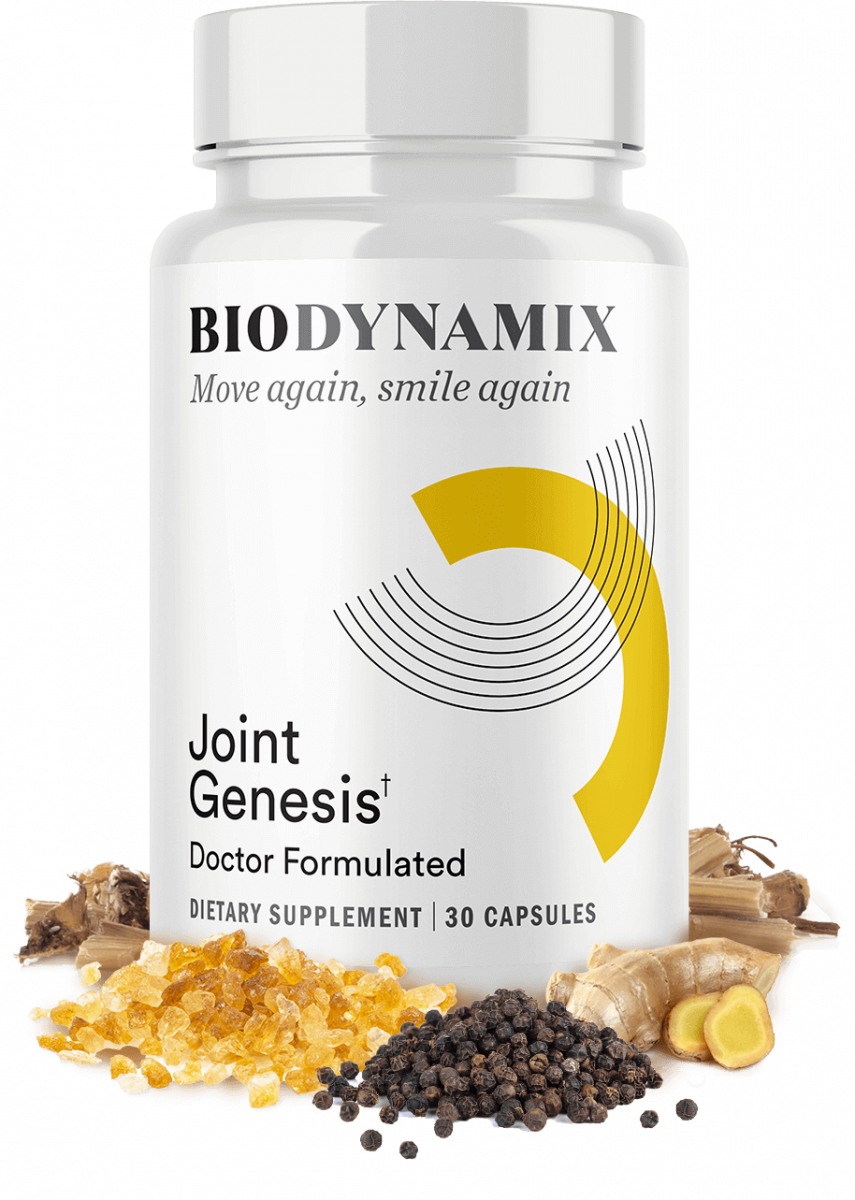
Joint Genesis™ Advanced Formula
- Designed to support natural joint lubrication and combat declining cushioning over time
- Formulated to work with your body's natural processes for smoother movement and flexibility
- Manufactured in a cGMP-compliant, FDA-registered facility without harsh synthetic compounds
Connective tissue health remains a priority for long term mobility. I focus on how specific nutrients support these structures from the inside out. Understanding the science helps us make better choices for our daily wellness routines.
Understanding Collagen Density And Synovial Fluid Composition
Collagen provides the scaffolding for our joints. As hormone levels change, the speed of collagen turnover often slows down. This impacts the density of the tissues that support our weight and movement.
Clinical findings from the National Library of Medicine highlight how these biological shifts alter the structural composition of connective tissues. I find these details essential for tailoring my own approach to recovery and movement. Proper support helps maintain the integrity of these vital areas.
You might notice that your range of motion feels different during specific times of the month or year. This is a common response to the shifting chemical environment of your body. Consistency in your movement practice remains a pillar of health during these transitions.
Evidence-Based Variables Of Tissue Elasticity
| Variable | Typical State | Impact Of Low Estrogen |
|---|---|---|
| Fluid Volume | High retention | Decreased lubrication |
| Collagen Rate | Normal turnover | Slowed synthesis |
| Tissue Density | Flexible | Increased rigidity |
The Numerical Reality Of Joint Load Management
We can estimate the impact of these changes by looking at how joint pressure distributes across the skeletal system. If you weigh 150 pounds, the pressure on your knees can reach three to five times that amount during a simple walk. Without adequate fluid, that pressure stays concentrated rather than dissipating.
- Calculate your daily load: Identify how many steps you take per day to understand the repetitive stress on your joints.
- Monitor your recovery rate: Take note of how long it takes for a stiff joint to feel mobile after sitting for one hour.
- Adjust your intake: Increase consumption of water and essential fatty acids to support your internal hydration levels.
This simple calculation demonstrates why structural support matters. A lack of natural lubrication turns a moderate impact into a sharp sensation. Managing this load requires a proactive strategy for maintaining fluid health.
Nutritional Strategies For Better Joint Function
Nutrition plays a significant role in how our bodies adapt to these changes. I prioritize foods that offer structural building blocks for our connective tissues. My routine includes items rich in omega three fatty acids and antioxidants.
Research from the United States Department of Agriculture emphasizes the role of specific dietary patterns in maintaining tissue health. Focusing on whole, nutrient dense foods provides the raw materials our bodies need to cope with internal shifts. I prefer to keep my plate colorful and diverse to ensure I cover my bases.
Avoid relying on processed snacks that contribute to systemic inflammation. Instead, choose ingredients that offer stability and support for your joints. Small shifts in your grocery list can influence your comfort levels over time.
Practical Daily Protocols For Maintaining Range Of Motion
I find that gentle, consistent movement is better than sporadic, high intensity efforts. Stretching for ten minutes every morning helps wake up the joints. Focus on fluid, rhythmic motions rather than static holds that strain the tissues.
- Morning mobilization: Start your day with gentle circles for your ankles and wrists to promote circulation.
- Hydration timing: Drink plenty of water throughout the morning to ensure your tissues have the fluid they need.
- Active recovery: Include days where you focus purely on low impact movement like walking or swimming.
Consistency creates the biggest impact over time. You do not need to push to the point of exhaustion to see results. Small, intentional movements keep the joints lubricated and comfortable.
Frequently Asked Questions
Does exercise make my joints feel worse when I am experiencing these hormonal changes?
Exercise usually helps by increasing circulation and bringing nutrients to the joint space. High impact activities might feel difficult at first, but low impact options often provide relief by keeping the synovial fluid moving.
Finding a balance between activity and rest is key. If you feel sharp pain, adjust your movement intensity to ensure you are supporting your body rather than straining it further.
Are there specific supplements that help with joint stiffness?
Many individuals turn to collagen peptides or omega three fatty acids to support their joint health. These components provide the building blocks that the body needs for tissue repair and maintenance.
I recommend checking the quality of your sources and focusing on a consistent routine. It is better to have a steady, long term approach than to rely on temporary fixes for your comfort.
How long does it take to notice changes in joint comfort?
Physical tissues typically respond to lifestyle adjustments over the course of several weeks or months. Consistency is the most important factor in seeing any noticeable improvement in how your body feels.
Patience allows your system to adapt to the new habits you implement. Track your progress through your daily activities rather than checking for changes every single day.
Is this stiffness a permanent part of the aging process?
Stiffness does not have to be a permanent state if you actively support your body through nutrition and movement. Many individuals find that they regain significant flexibility by adjusting their daily protocols.
Focusing on long term wellness helps minimize the impact of these hormonal shifts. Your body is capable of adapting, provided you give it the right environment and consistent care.
Can I manage these sensations without medication?
Many people find success by modifying their diet, increasing their activity, and supporting their body with better hydration. These foundational choices often alleviate the bulk of discomfort associated with hormonal transitions.
Never stop or change any medication without consulting the provider who recommended it. Always prioritize your safety while experimenting with new wellness approaches for your joints.
The Bottom Line
Understanding why estrogen drop affects synovial health in women allows you to take charge of your own physical comfort. By focusing on hydration, structural nutrients, and consistent movement, you can navigate these transitions with grace.
Prioritize your body’s needs today by choosing one movement practice to start. Consult a licensed healthcare provider before starting any new wellness routine.
Get Your FREE Natural Health Guide!
Subscribe now and receive our exclusive ebook packed with natural health tips, practical wellness advice, and easy lifestyle changes, delivered straight to your inbox.