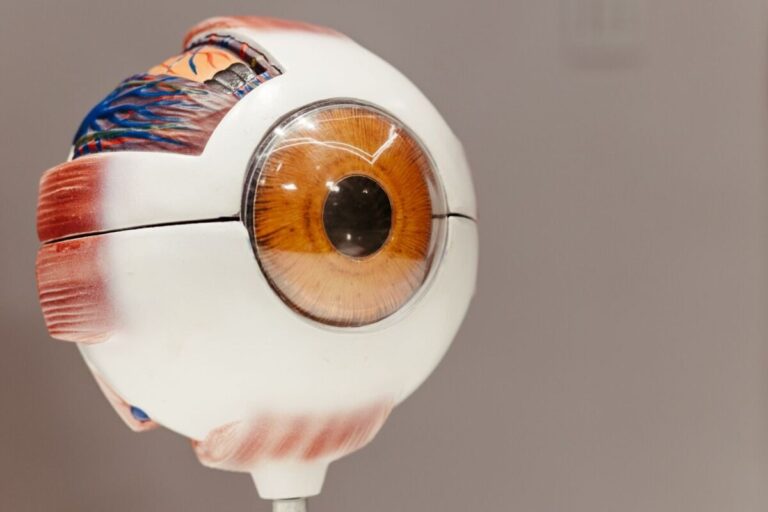
Understanding Why Do My Eyes Feel Sandy And Gritty Every Morning
Most of us recognize the sudden irritation that signals a rough start to the day. The sensation often arrives right as we wake, making it hard to open our lids without significant discomfort. It feels as if fine debris has settled onto the surface of the eye overnight.
This persistent dryness reflects a breakdown in the delicate balance of our ocular surface. Factors ranging from environmental conditions to systemic habits often contribute to this morning struggle. Analyzing the root of this discomfort helps in determining a practical path forward for better comfort.
Why do my eyes feel sandy and gritty every morning often relates to nocturnal eyelid closure issues or evaporation of the protective moisture layer. Reduced blinking during deep sleep combined with low humidity leads to tear film instability by the time the alarm goes off. This dryness causes friction between the eyelids and the cornea, which produces that distinct rough sensation upon waking.
Key Takeaways
- Research from the National Eye Institute indicates that ocular surface dryness affects millions of adults annually.
- Normal tear production involves a complex mixture of water, lipids, and proteins that stabilizes the surface for approximately 10 to 12 seconds before requiring a blink.
- Evaporation rates increase significantly when bedroom humidity drops below 30 percent, directly impacting the integrity of the ocular tear film overnight.
Impact Of The Nocturnal Environment
Our sleeping space serves as the primary battleground for moisture retention. Modern heating systems move air around the room, which pulls moisture away from any exposed surfaces. If the eyes do not remain closed tight, the delicate film evaporates quickly.
Low humidity levels in the bedroom create a fast track for dehydration. The eyes rely on a steady supply of moisture to remain comfortable. Without enough ambient water vapor, the natural tear film cannot withstand the dry conditions of a long night.
Daily Habits And Tear Film Stability
Digital device usage throughout the day changes how often we blink. Frequent screen time reduces our natural blink rate by half or more. This habit prevents the glands from spreading fresh moisture across the surface of the eye.
Poor hydration contributes to systemic fluid balance issues. When the body lacks sufficient water, the composition of the tear film can shift toward a less stable form. Maintaining consistent intake helps support the overall health of mucosal membranes throughout the body.
| Condition Factor | Primary Outcome | Effect On Eyes |
|---|---|---|
| Low Room Humidity | Increased Evaporation | High Friction |
| Reduced Blink Rate | Poor Lipid Layer | High Irritation |
| Systemic Dehydration | Low Tear Volume | Surface Sensitivity |
The Mechanics Of Surface Friction
The eyes require a smooth surface to function well. A thin layer of lipids covers the watery portion of our tears to keep them from disappearing. If this oil layer becomes thin, the water underneath vanishes into the air.
When the oil production falls, the eyelid rubs against the cornea like sandpaper. This produces the feeling of grit. Strengthening this lipid layer remains the most important step for long-term comfort.
Example Calculation Of Evaporation Rates
Consider a standard bedroom environment. If the baseline evaporation rate is 5 microliters of moisture per hour, an eight hour sleep cycle results in 40 microliters of loss. By adding a small humidifier, you can drop the evaporation rate by 40 percent. This saves 16 microliters of critical ocular moisture each night.
Addressing External Irritants
Airborne particles often accumulate on bedding and pillows. Dust mites and dander can aggravate sensitive tissue around the lids. Keeping the sleeping area clean reduces the likelihood of these triggers causing inflammation.
Chemical exposure from laundry detergents also plays a role. Fragrances or harsh cleaning agents can linger on pillowcases. These substances irritate the sensitive skin of the eyelids, leading to further discomfort.
Nutritional Support For Mucosal Integrity
The body needs specific fats to create the lipid layer of the tears. Omega-3 fatty acids from fish or plant sources provide the building blocks for this oily barrier. Studies from the National Library of Medicine highlight how these lipids support surface stability. Incorporating walnuts, flax seeds, or fatty fish into the diet helps maintain this essential barrier.
Vitamin A remains another critical nutrient for the maintenance of healthy eye surfaces. It supports the production of mucin, the substance that helps tears stick to the eye. Leafy greens and orange vegetables serve as excellent sources for this vital nutrient.
Simple Lifestyle Adjustments To Consider
Consistency is essential when addressing these physical challenges. Most people find that small changes produce the most significant results over time. You should observe how your body reacts to each change to find what helps you most.
- Nighttime Humidifiers: Adding moisture to the air helps reduce the rate of tear film evaporation significantly.
- Eyelid Hygiene: Washing the lid margins gently helps remove debris that might cause morning irritation.
- Evening Hydration: Consuming adequate water before bed supports overall moisture levels throughout the night.
Frequently Asked Questions
Can ceiling fans cause my eyes to feel gritty in the morning?
Ceiling fans create a constant airflow that accelerates the evaporation of moisture from the eye surface. This breeze effectively strips away the protective tear film while you sleep, especially if the fan points directly toward the head.
Moving the fan to a lower setting or changing the direction of the airflow helps keep the air still around your head. Many individuals find that simply turning the fan off or moving it to a cycle that pulls air upward solves the problem entirely.
Are digital screens the main reason for this morning discomfort?
Digital screens are a major factor because they train the eyes to blink less frequently during the day. This reduces the quality of the tear film before you even go to bed, leaving your eyes vulnerable at night.
The cumulative effect of low blink rates throughout the day means the eyes are already stressed before the sleep cycle begins. Focusing on conscious blinking while working can help reset these patterns and support eye comfort by the end of the day.
How does age influence the feeling of dry eyes?
Age naturally affects the way our bodies produce moisture, including the oils that protect the surface of the eye. As time passes, the glands that supply these protective lipids often become less efficient at their job.
Research published by the Centers for Disease Control shows that older adults experience shifts in ocular health as part of the natural aging process. Staying proactive with lifestyle habits helps offset these changes and maintains comfort as the years progress.
Is tap water safe to use for washing my eyelids?
While tap water is generally clean, it can sometimes contain minerals or chlorine that irritate sensitive skin around the eyes. Many people prefer using filtered water or specialized cleansers designed for the ocular area.
Using a gentle, non-irritating cleanser helps remove accumulated debris without stripping away natural oils. This simple habit keeps the eyelid margins clean and prevents the buildup of substances that contribute to morning roughness.
Do seasonal allergies worsen the sensation of sand in my eyes?
Allergies introduce external triggers that cause inflammation and increase discomfort. When pollen or pet dander enters the eye area, the body responds with redness and irritation that persists into the following morning.
Managing the bedroom environment by keeping windows closed during high pollen days helps limit exposure. Cleaning bedding regularly also removes these allergens and creates a more comfortable space for resting.
The Bottom Line
Persistent ocular grit typically stems from a loss of moisture during the night. By adjusting your sleeping environment and supporting your tear film with proper hydration, you can alleviate the physical irritation you feel upon waking.
Why do my eyes feel sandy and gritty every morning is a question that points back to your daily habits and bedroom air quality. Focus on increasing ambient humidity and maintaining steady hydration to see improvements in your comfort. Consult a licensed healthcare provider before starting any new wellness routine.
Get Your FREE Natural Health Guide!
Subscribe now and receive our exclusive ebook packed with natural health tips, practical wellness advice, and easy lifestyle changes, delivered straight to your inbox.