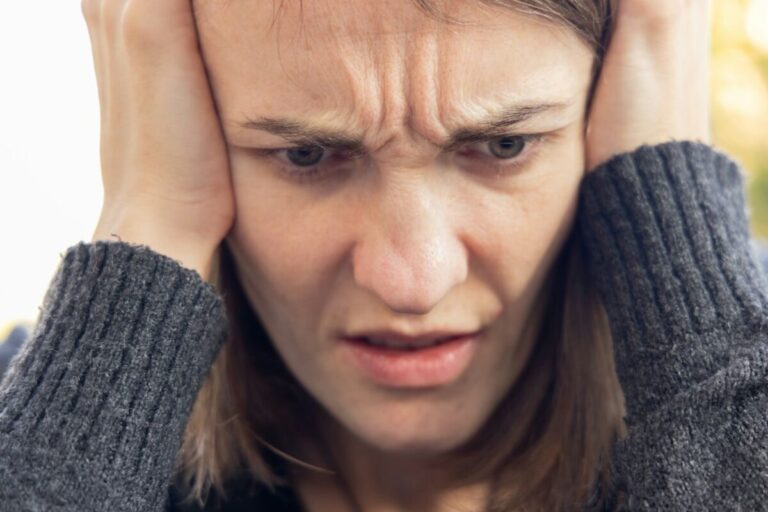
Why Deep Breathing Exercises Make My Anxiety Worse
Many wellness experts suggest intentional breathing to settle a racing heart. You might find that focusing on your breath actually spikes your stress levels instead. This paradox leaves many people feeling more agitated than before they started their session.
You are not alone if you feel a sense of dread or physical tightness while trying to follow a rhythmic breathing pattern. This happens because the conscious act of controlling your breathing can sometimes trigger a fear response. Your body senses the restriction and responds by signaling danger.
Why deep breathing exercises make my anxiety worse often involves the physiological process of air hunger. When you force your breath to follow a specific cadence, you may inadvertently disrupt your natural carbon dioxide levels. This shift can cause a feeling of lightheadedness or panic that your brain interprets as a threat.
Key Takeaways
- Research from the National Institutes of Health suggests that voluntary hyperventilation can induce panic symptoms in sensitive individuals.
- Carbon dioxide levels in the blood typically regulate the urge to breathe rather than oxygen intake alone.
- Roughly 10 to 15 percent of people with baseline anxiety report increased physical distress during focused breathing tasks.
I noticed that my own heart rate jumped during structured breath work sessions, prompting me to seek better ways to stabilize my nervous system.
Biological Responses To Forced Inhalation
The Role Of Carbon Dioxide
Your blood chemistry relies on a delicate balance of gases to maintain internal stability. Carbon dioxide acts as a signal for your brain to trigger a breathing reflex. When you exhale too much or hold your breath, you throw this ratio off balance.
The University of California research highlights how low carbon dioxide levels constrict blood vessels. This effect leads to a tingling sensation in your limbs and lightheadedness. Your brain flags these physical changes as signs of an impending attack.
You start to worry about your health when these sensations occur during a calm practice. The focus on your breath makes the sensations more prominent. This creates a feedback loop that sustains your feelings of unease.
The Fear Of Losing Control
Many people associate anxiety with a lack of control over their environment. When you attempt to force your lungs to perform a specific rhythm, you shift your focus inward. You start watching for signs of discomfort which makes them feel more severe.
This mental state creates a preoccupation with your own physiological state. You are hyper vigilant about every heartbeat or slight hitch in your chest. The result is a cycle of worry that persists throughout the duration of your practice.
True relaxation occurs when you let your body handle its own rhythms. Forcing a change disrupts this natural flow. You are better off allowing your breath to remain shallow or uneven rather than fighting your nature.
Mechanical Factors Of Air Intake
| Factor | Natural State | Forced State |
| Breath Rate | 12 to 16 cycles | 6 to 8 cycles |
| Gas Ratio | Balanced CO2 | Depleted CO2 |
| Nervous Tone | Auto pilot | High alert |
The Concept Of Air Hunger
The Brains Defensive Alarm
Your brain stem contains sensors that monitor your chemistry around the clock. When these sensors detect a drop in acidity, they scream for air. This happens even if your blood is fully saturated with oxygen.
You perceive this demand as a need for a deeper or faster breath. If you ignore this signal or try to override it, your brain elevates its alert status. The resulting tension is a protective measure intended to keep you safe.
This is why sitting still and trying to breathe deeply can feel like a chore. Your body interprets the effort as a physical struggle. The more you fight the urge, the louder the alarm becomes in your mind.
Defining The Threshold Of Ease
Everyone has a unique threshold for how much change their body tolerates. Some people handle slow breathing without a problem. Others find that even a slight shift causes a rapid surge in their heart rate.
You must learn to recognize your own physical limits during these sessions. If you feel a tightness in your chest or a sudden urge to gasp, you have likely reached your limit. Moving past this point rarely helps you gain any peace of mind.
Instead of pushing, observe where your body feels comfortable. Stay in that range where you feel stable and secure. You gain nothing by straining to reach a state that your nervous system currently rejects.
History Of Breath Control
Ancient Origins And Misconceptions
Breath control practices have existed for centuries across various traditions. Many people view these techniques as a universal cure for stress. This history contributes to the pressure people feel to succeed at these methods today.
Early practitioners likely used these methods in very different environments. They were often part of a larger lifestyle that prioritized slow movement and low stress. Applying these techniques in a high pressure modern life produces different results.
Do not feel inadequate if these ancient ways do not work for you. Many factors contribute to your current state of wellness. A technique that suits one person may be detrimental to another.
The Evolution Of Modern Wellness
Modern wellness culture often simplifies complex physical processes into catchy headlines. You see claims that everyone needs to perform deep breathing to stay healthy. This creates a standard that many people feel they must meet.
The reality is that your nervous system is individual. You do not owe anyone a specific way of breathing. Your comfort is the primary indicator of whether a practice helps you or hinders you.
Reject the notion that there is only one way to soothe your nerves. You have the right to curate your own routine based on your actual experience. Your goal is ease rather than technical proficiency.
The Math Of Breathing Rhythm
You can observe the numerical impact of your breath through simple measurement. If you maintain a normal rate of 14 breaths per minute, your chemistry remains stable. If you force your rate down to 5 breaths per minute, you cut your ventilation volume by nearly half.
The calculation is straightforward. Total air exchange equals your breaths per minute multiplied by the volume of each breath. When you force slow, deep inhalations, you increase the volume but decrease the frequency.
If the math does not align with your metabolic needs, you experience physical stress. Your body starts to panic because it lacks the necessary gas exchange. Use this to gauge why your body pushes back against your attempts at stillness.
Identifying Your Personal Triggers
Sensory Input During Practice
- Physical Tightness: Notice if your shoulders rise toward your ears as you breathe.
- Mental Racing: Track if your thoughts shift to your heartbeat during the process.
- Gasping Reflex: Identify if you feel an urgent need to take a sudden large gulp of air.
Managing The Feedback Loop
When you encounter a trigger, stop the practice immediately. You are not failing by stepping back. You are simply respecting the data your body provides.
Try shifting your focus to something external instead. Listen to the sounds in your room or feel the texture of your chair. These external anchors move your attention away from your internal processes.
Gentle movement is often a better substitute for stationary breath work. Go for a short walk or perform light stretches. This allows your breath to stay at its natural, stable rate.
Common Pitfalls In Practice
Overthinking The Mechanics
Many people spend their entire session monitoring their diaphragm movement. This level of focus removes the possibility of true relaxation. You essentially occupy your brain with a manual task rather than allowing it to rest.
The most effective form of regulation is the one you do not have to think about. When you fixate on technique, you generate more mental work for yourself. Keep it simple by ignoring the mechanics entirely.
If your mind wanders, let it wander. Do not try to snap it back to your breathing pattern. The harder you work to focus, the more you strain your nervous system.
Ignoring Physical Distress
Some people believe that discomfort is a necessary part of growth. They push through the tight chest and the racing heart thinking it will lead to results. This is a misguided approach that may increase your distress.
Your body is the most reliable guide you possess. If it signals pain or panic, listen to it. Avoid any activity that consistently causes you to feel worse.
There is no benefit in forcing a habit that causes you harm. Find ways to soothe your body that do not involve conscious control of your breath. Your long term wellness depends on your ability to work with your body, not against it.
Alternatives To Forced Breath Work
Grounding Through Physical Sensation
Grounding involves connecting with your immediate environment. You can use your five senses to bring yourself into the present moment. This provides a distraction from the internal focus that causes anxiety.
Try holding an ice cube or running cool water over your wrists. The sharp sensation provides a clear signal to your brain. This interrupts the cycle of worry more effectively than deep breathing.
Focusing on your environment keeps your breathing natural. You do not need to alter your chemistry to feel present. You simply need to engage with the world around you.
Movement Based Regulation
Walking is one of the most natural ways to regulate your mood. The rhythmic nature of stepping helps coordinate your systems without conscious effort. You do not have to think about your breath while you move.
Other activities like gentle yoga or stretching can also serve this purpose. These activities prioritize posture and flow over forced inhalation. They allow your body to reach a state of calm on its own terms.
Experiment with different types of movement to see what works for you. You might find that swimming or dancing provides the relief you seek. The key is to avoid focusing on your breathing rhythm entirely.
The Science Of Individual Variance
Why Protocols Fail Individuals
Wellness protocols often come from research conducted in specific, controlled settings. These settings rarely match the complexity of your daily life. What works in a laboratory may not translate to your personal experience.
Your genetics, lifestyle, and history contribute to your specific response to exercise. A technique that produces relaxation in one person may trigger panic in another. This is not a flaw in your system, but a reflection of your unique makeup.
Stop trying to fit your body into a mold that does not fit. Embrace the fact that you respond better to different methods. Your health journey is your own to define.
Trusting Your Own Data
You have access to more information about your body than any expert. Every time you practice a technique, you gather data on its effectiveness. Use this information to guide your future decisions.
If a method consistently fails to bring you peace, discard it. Do not feel guilty for letting go of a practice that other people claim is helpful. Your experience is the only metric that matters.
Look for patterns in your responses to different wellness tools. You will likely find that you prefer activities that allow for spontaneity. Build your routine around these findings rather than external advice.
Frequently Asked Questions
Is it normal to feel dizzy during focused breathing?
It is common for people to feel lightheaded when they change their breathing rhythm. This often occurs because your brain is adjusting to a shift in carbon dioxide levels. The sudden change in blood flow to the brain can produce that spinning sensation you experience.
While this is a known physical reaction, it is also a signal that you should slow down or stop. Your body is telling you that the practice is shifting your chemistry too quickly. Prioritize your physical comfort over any specific breathing goal until you find a more stable approach.
Should I ignore the feeling of panic during my practice?
You should never ignore signals of panic during any wellness activity. Your body uses these sensations to alert you that something is not right for your current state. Pushing through these feelings can reinforce the association between your practice and the panic you want to avoid.
Instead of ignoring the alarm, use it as a guide to adjust your approach. Step back from the exercise and engage in a different form of grounding. You can try to revisit the practice another time with a much lighter focus if you choose.
Can posture affect how I feel during breathing?
Your posture significantly impacts how your lungs expand and how your nervous system responds. If you are slumping, you may physically restrict your chest cavity. This makes it harder to get a full breath and can cause you to feel claustrophobic or anxious.
Keep your spine neutral and your chest open without forcing an unnatural pose. A relaxed, upright position allows your lungs to function with minimal effort. If you feel tense, try shifting your position until you feel supported and free from physical strain.
Are there times when deep breathing is actually helpful?
Deep breathing can be a useful tool for some individuals during specific moments of low stress. It can help bridge the gap between active work and rest when your system is already in a stable state. Some people find it helpful for focus when they are not feeling anxious.
However, it is not a universal solution for every situation. You should only use it when your body is receptive to the change in rhythm. If you are already feeling anxious or overwhelmed, it is usually better to choose a different approach entirely.
Why do some instructors push for slow breathing?
Many instructors favor slow breathing because it is traditionally associated with a parasympathetic nervous system response. They assume that if they can slow your breath, they can lower your heart rate. This logic works for many people who do not have a strong reaction to breath focus.
The issue arises when this protocol is applied to everyone regardless of their individual chemistry. Not everyone processes these changes in the same way. Instructors are often following a set method rather than responding to the diverse needs of their students in real time.
The Bottom Line
Forcing your breath to follow a specific pattern can create the very anxiety you want to soothe. Your body needs to breathe in its own natural way to remain balanced. If you find that Why Deep Breathing Exercises Make My Anxiety Worse is a recurring theme in your life, stop the practice immediately. Trust your own experience over generic health advice and seek grounding through methods that work for your unique nervous system. Consult a licensed healthcare provider before starting any new wellness routine.
Get Your FREE Natural Health Guide!
Subscribe now and receive our exclusive ebook packed with natural health tips, practical wellness advice, and easy lifestyle changes, delivered straight to your inbox.