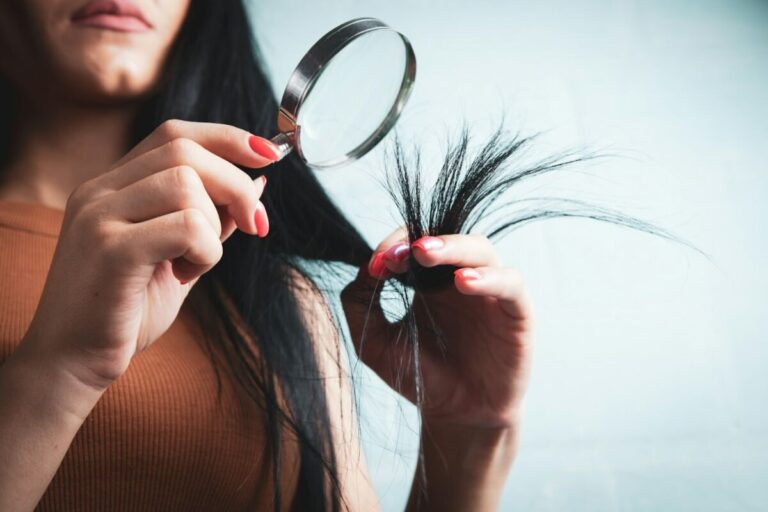
Why Baby Hairs Fall Out Before Growing Long And How To Support Them
Most of us recognize the frustration of seeing delicate wisps around our hairline seem to vanish just as they should be gaining strength. We stare at the bathroom mirror and wonder why these tiny strands fail to reach their full potential. This common cycle often feels like a setback in our broader wellness goals.
The health of our hair serves as a silent messenger for what occurs inside our bodies. When the growth cycle feels disrupted, it rarely points to a single source of concern. Instead, the hair follicle responds to the cumulative effects of our daily choices and metabolic status.
Why baby hairs fall out before growing long usually happens because the follicle prematurely enters the resting phase or experiences physical breakage from external tension. By addressing nutritional gaps and scalp environment, we can help these strands persist through their natural life cycle.
Key Takeaways
- Human hair grows in cycles, where roughly 85 to 90 percent of strands remain in the growth phase at any given time.
- The average scalp sheds between 50 and 100 hairs daily, a baseline that remains normal for most healthy adults.
- Nutrient status, specifically involving ferritin levels and zinc, correlates directly with the density and structural integrity of new growth.
Common Factors That Influence Why Baby Hairs Fall Out Before Growing Long
The transition from a tiny, fine strand to a mature hair requires a consistent supply of building blocks. When we look at the biology of the follicle, we see that it requires specific fuel to sustain active division. If this supply stalls, the hair may detach before it gains significant length.
External tension is a frequent culprit for the loss of delicate perimeter strands. Hairstyles that pull tight, such as high ponytails or braids, create mechanical stress on the hairline. This pressure can cause fine hairs to snap at the base, leaving them to look like they fell out.
Internal stressors also play a role in how our follicles function. When the body faces significant physical or emotional pressure, it often diverts resources away from non vital functions like hair maintenance. This redirection of energy can shorten the duration of the active growth stage for these wispy strands.
Nutritional Foundations For Hair Resilience
The structure of a hair strand relies on protein and essential minerals. If our daily meals lack variety, the follicles might not receive the necessary components for sturdy hair production. Research from the National Institutes of Health indicates that balanced mineral intake is fundamental to healthy cell turnover.
Iron plays a vital role in carrying oxygen to the cells, including those in our scalp. Without sufficient iron stores, the follicles struggle to maintain steady growth. This is a common area to evaluate when reviewing our internal baseline.
Zinc contributes to the tissue structure of the follicle itself. Many individuals find that small shifts in their protein and mineral intake lead to better consistency in hair retention. Focusing on whole food sources provides the most bioavailable form of these essential nutrients.
Visualizing The Growth Cycle Through Data
Understanding the timing of our hair helps us manage expectations regarding our progress. We must remember that hair growth is slow, often measured in months rather than days. The following table illustrates the typical phases that every follicle navigates during its life span.
| Growth Phase | Expected Duration | Primary Characteristic |
|---|---|---|
| Anagen | Two to seven years | Active cell division occurs |
| Catagen | Two to three weeks | Follicle shrinkage begins |
| Telogen | Three months | Total resting state persists |
The Impact Of Mechanical Stress And Scalp Health
Our scalp environment serves as the soil for our hair. If the skin is congested or inflamed, the follicles encounter resistance. Gentle stimulation through manual massage helps blood flow reach the area without causing damage to the fragile hairs.
Hair accessories often cause more trouble than we realize. Using elastic bands that contain metal or sharp edges can snag the fine hairs around the face. Soft silk or velvet accessories provide a much safer alternative for securing our style.
Avoid harsh chemical treatments that irritate the skin around the forehead. Studies from the National Center for Biotechnology Information highlight that maintaining a balanced skin microbiome supports the health of all follicles. A calm scalp encourages the retention of even the finest wisps.
Practical Steps For Strengthening Fine Strands
We can modify our daily routines to minimize the loss of baby strands. Consistency matters more than finding a single quick fix. Focus on these simple adjustments to your environment and care habits.
- Adjust tension levels by choosing loose hairstyles that avoid pulling on the front hairline.
- Prioritize nutrient density by incorporating complex proteins and dark leafy greens into each meal.
- Implement gentle handling while brushing or detangling by starting at the ends and moving upward slowly.
Hydration And Systemic Wellness Connections
Water supports every metabolic function in our body, including the transport of nutrients to the scalp. While hydration alone will not fix a severe deficiency, it ensures that our internal systems operate efficiently. Adequate intake allows other nutrients to reach the follicles effectively.
Managing our overall internal rhythm impacts hair quality over time. High stress levels trigger cortisol release, which can interfere with the signals that keep our follicles in the growth phase. Finding small ways to build calm into the day acts as a long term support for our hair.
Systemic wellness is a holistic concept that encompasses sleep, movement, and nutrition. When we care for the whole person, the secondary benefits often appear as stronger hair and skin. Evidence from the National Institute on Aging supports the idea that nutrient dense eating habits correlate with overall cellular health.
Frequently Asked Questions
Can vitamin deficiencies cause fine hair to break prematurely?
Yes, deficiencies in iron, zinc, and vitamin D often impact the structure of new growth. When the body lacks these building blocks, the hair produced by the follicle may be thinner or more prone to snapping before it gains significant length.
Addressing these gaps often involves reviewing dietary patterns to ensure a wide intake of whole foods. If a deficiency is suspected, a discussion with a healthcare provider can help in choosing the right path for nutritional adjustment.
Does the age of an individual affect hair growth patterns?
Age plays a natural role in how our follicles behave and how quickly they cycle. Over time, the rate of growth may slow down and the diameter of individual strands can become smaller, which may change the appearance of the hairline.
While we cannot change our age, we can focus on supporting the current health of our follicles. Keeping the scalp clean and minimizing external stress helps maintain the longest possible growth phase at any stage of life.
Are certain hairstyles linked to hair loss at the front?
Hairstyles that create consistent pull, such as tight buns or heavy extensions, often contribute to mechanical damage. This stress can cause the hairs at the temple and forehead to snap off or thin out significantly.
Switching to protective styles that do not place weight or tension on the hairline provides immediate relief. Allowing the hair to remain loose or using soft, fabric based hair ties keeps the follicles protected from unnecessary strain.
How long does it take to see results from nutritional changes?
The cycle of hair growth is inherently slow, so changes in diet rarely show visual results within a few weeks. It typically takes three to six months of consistent nutritional support before new, stronger strands become visible at the surface.
Patience remains essential when focusing on internal wellness. Continuing to provide the body with high quality fuel during this time builds the foundation for long term changes in hair density and strength.
Is there a connection between scalp inflammation and hair breakage?
Inflammation on the skin surface can disrupt the environment where the hair follicle sits. When the scalp remains irritated or congested, the hair may struggle to grow, leading to shorter life cycles for individual strands.
Gentle cleansing and avoiding products with harsh fragrances help keep the scalp calm. By maintaining a balanced environment on the skin, we allow the follicles to focus their energy on producing healthy hair instead of responding to external irritants.
The Bottom Line
Managing why baby hairs fall out before growing long requires a patient focus on both external care and internal nutrition. By reducing tension, ensuring nutrient intake, and keeping the scalp environment calm, you can create the right conditions for your hair to reach its full potential.
Focus on consistent, gentle habits and monitor your progress over several months. Never stop or change any medication without consulting the provider who recommended it. Consult a licensed healthcare provider before starting any new wellness routine.
Get Your FREE Natural Health Guide!
Subscribe now and receive our exclusive ebook packed with natural health tips, practical wellness advice, and easy lifestyle changes, delivered straight to your inbox.