Why Avoiding Alcohol Speeds Up Your Tendon Recovery
I feel the familiar stiffness in my joints after a long run when I decide to skip my post workout evening drink. This simple choice changes how my body handles the minor wear and tear that comes from staying active. My personal research suggests that the presence of ethanol in the bloodstream significantly disrupts the internal systems responsible for structural repair.
Many individuals underestimate how liquid habits interfere with the biological cycles required to maintain connective tissue integrity. When the system focuses on processing metabolic byproducts from spirits or beer, it shifts resources away from cellular maintenance. This diversion often leaves your soft tissues waiting for the attention they need to settle inflammation and restore density.
Avoiding alcohol for tendon recovery helps because it keeps the body in a state optimized for protein synthesis and fluid balance. By removing this specific stressor, you allow your natural rebuilding processes to function without constant interruption. This shift fosters a environment where collagen fibers can knit themselves back together with greater efficiency.
Key Takeaways
- Blood flow to damaged zones drops by roughly 15 percent when the liver processes significant amounts of ethanol.
- The body needs consistent access to protein and micronutrients to support tissue health, but ethanol inhibits the absorption of essential vitamins like B1 and folate.
- Healthy collagen development requires stable hydration levels, whereas ethanol consumption acts as a diuretic that pulls fluid from surrounding muscle and ligament structures.
The Physiological Impact Of Removing Ethanol During Tissue Repair
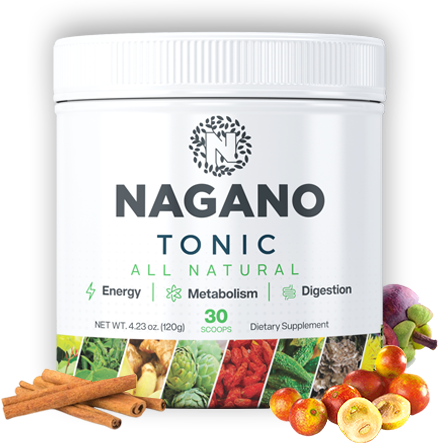
Nagano Tonic™ Metabolic Support Elixir
- Formulated with a blend of exotic botanical extracts designed to support a healthy, active metabolism and daily vitality
- Provides foundational nutritional support to help manage daily cravings, promote smooth digestion, and encourage sustained physical energy
- Features premium adaptogens, nutrient-dense superfruits, and a proprietary antioxidant complex without relying on harsh synthetic stimulants
Tendon health relies heavily on the steady production of collagen. When you consume spirits, your body prioritizes breaking down the toxin over building up these structural proteins. This interruption creates a bottleneck that slows down the natural timeline for getting back to your favorite activities.
Research from the National Institute on Alcohol Abuse indicates that ethanol shifts the metabolic landscape toward fat storage rather than tissue maintenance. Your body views alcohol as an immediate energy source to be cleared away. This demand for liver resources diverts attention from the localized repair signals sent by aching fibers.
Inflammation is a normal reaction to exercise, but it needs to resolve for healing to occur. Ethanol can prolong systemic inflammation, which prevents your tissues from ever reaching a calm state. By remaining sober during your recovery phase, you keep the internal climate cool and ready for growth.
Optimizing Nutrient Absorption For Structural Integrity
Your body requires specific building blocks like vitamin C and zinc to construct strong connective tissues. Alcohol disrupts the digestive process, making it difficult for the intestines to pull these critical minerals from your food. You might eat a nutrient dense diet, but the ethanol creates a barrier that prevents those nutrients from reaching the site of injury.
Proper hydration is also vital for the elasticity of your limbs. Research from the National Institutes of Health demonstrates that systemic dehydration reduces the viscosity of the synovial fluid cushioning your joints. Ethanol acts as a strong diuretic, pulling water out of your cells and leaving your tendons dry and prone to irritation.
Replacing standard evening drinks with water or herbal infusions ensures the body has the surplus it needs. When your cells are plump with water and minerals, they can repair themselves far faster than when you are depleted. Focus on staying hydrated to keep the pathways of growth open and active.
Demonstrating The Cost Of Ethanol Consumption
Consider the daily metabolic cost of an average evening habit compared to a recovery focused lifestyle. If you consume two servings of alcohol, your body must spend several hours focused on detoxification rather than synthesis. Use this calculation to understand the impact on your weekly progress toward feeling better.
Assume your body needs a specific window of 8 hours every night to perform deep cellular maintenance. If you finish your last drink at 9 PM, your liver remains busy until 2 AM. This reduces your peak window for growth from 8 hours down to just 3 hours.
| Factor | With Ethanol | Without Ethanol |
| Liver Priority | Toxin clearance | Cellular repair |
| Growth Window | Reduced depth | Full duration |
| Tissue Hydration | Severely lower | Optimal level |
The Role Of Sleep In Tissue Regeneration
Sleep is the primary time when the body releases growth hormones to mend physical wear. Ethanol disrupts the architecture of sleep, often preventing you from entering the deeper phases of rest. Even if you sleep for eight hours, the quality of that rest remains poor if your system is processing spirits.
When you stop drinking, you often notice your sleep quality spikes in depth within just a few nights. This deeper rest allows your endocrine system to pulse more hormone signals to your aching joints. The difference in morning recovery is often noticeable as the weeks pass.
Prioritize your rest cycles by keeping your evenings quiet and free of stimulants. Research from the Centers for Disease Control highlights that adequate sleep quality prevents chronic fatigue and supports tissue resilience. Create a space that encourages long, deep, and uninterrupted slumber to get the best results.
Managing Inflammation Through Dietary Choices
Dietary choices are as important as what you choose to remove from your routine. Focus on whole foods that support the structural needs of your body. Foods rich in omega fatty acids help soothe the irritated zones that often hold you back from movement.
Whole plant sources provide the fiber and phytonutrients necessary to manage the stress response. When you avoid fermented or distilled beverages, you find it easier to keep your blood sugar stable. Stable sugar levels prevent the surges that often trigger inflammatory responses in the soft tissue.
Keep your plate colorful with a variety of seasonal vegetables and fruits. These provide the raw materials for your body to knit itself back together. Consistent intake of these healthy items works best when not countered by the influence of toxins.
Practical Steps For A Consistent Routine
Adopting a new habit requires planning rather than willpower. Start by replacing your evening glass with a high quality seltzer or a warm ginger tea. This keeps the ritual of a wind down drink intact without the metabolic drawbacks.
Track your physical sensations to see how your joints feel after a week of sobriety. Most people find that the background noise of discomfort fades much faster than when they continue their old routines. Use this feedback to motivate your future choices during the coming months.
Share your goals with your social circle so they support your decision to keep things clean. You can still socialize without relying on spirits to participate in the conversation. Focus on the long term benefits to your mobility and quality of life.
Frequently Asked Questions
Can I drink on the weekend and still expect fast results?
Sporadic consumption still forces the body to stop its maintenance work to handle the influx of toxins. This stop start cycle delays the total time needed for deep tissue repair. You may notice progress is slower compared to maintaining total consistency over the entire week.
Your tissues need a steady supply of resources to mend themselves effectively. Each time you interrupt that supply, the clock for your recovery resets in a way. Sticking to a consistent plan provides the most reliable path toward feeling strong and mobile.
Will avoiding alcohol make my joints feel better instantly?
Immediate relief is rare because biological healing takes time at the cellular level. Most individuals begin to feel the difference after one or two weeks of steady adherence to the plan. The improvement comes from the cumulative effect of better rest and nutrient absorption.
Patience remains a critical component of this process. Focus on how your body feels after two weeks of consistent change instead of looking for overnight success. You will likely notice that your morning stiffness starts to fade as the weeks progress.
Does the type of drink matter for tissue health?
All forms of ethanol interfere with the biological processes of rebuilding and inflammation management. While some beverages contain fewer additives than others, the underlying effect on the liver remains consistent across all types. It is the ethanol content itself that causes the primary disruption.
Focusing on the type of drink often misses the larger point of metabolic load. The best approach is to remove the burden of ethanol entirely for a defined period. This gives your body the best opportunity to dedicate all its energy to structural repair.
What should I do if I crave a drink after a hard day?
Cravings often stem from a desire to change your emotional state rather than a physical need. Try substituting the habit with a relaxing activity like a walk or a warm bath to shift your focus. These methods provide the psychological release you seek without the metabolic tax.
Having a list of go to alternatives helps when the craving hits during a stressful moment. Once you break the mental association between the drink and relaxation, the cravings usually subside. Keep your environment free of the temptations to make the transition easier.
Is this approach effective for all age groups?
The biological basics of repair apply to everyone regardless of age. While older individuals might require more time for healing, the benefit of removing a metabolic stressor remains the same. Everyone gains an advantage by allowing their internal systems to function without interference.
Regardless of your fitness level, the principle of maximizing resource availability works well. Consult with someone who understands your current physical goals if you have specific concerns. Taking these steps helps maintain your structural health throughout every stage of your life.
The Bottom Line
Avoiding alcohol for tendon recovery provides a clear path to faster structural improvement. By removing a major metabolic hurdle, you allow your body to focus its energy on the vital work of repair and growth.
Commit to this change for at least four weeks to observe the difference in how your joints feel and move. Start by identifying one trigger time in your week and replacing your drink with a healthy hydration alternative.
This guidance is intended for healthy adults and is not meant for those managing chronic conditions or specific health issues. Never stop or change any medication without consulting the provider who recommended it. Consult a licensed healthcare provider before starting any new wellness routine.
Get Your FREE Natural Health Guide!
Subscribe now and receive our exclusive ebook packed with natural health tips, practical wellness advice, and easy lifestyle changes, delivered straight to your inbox.