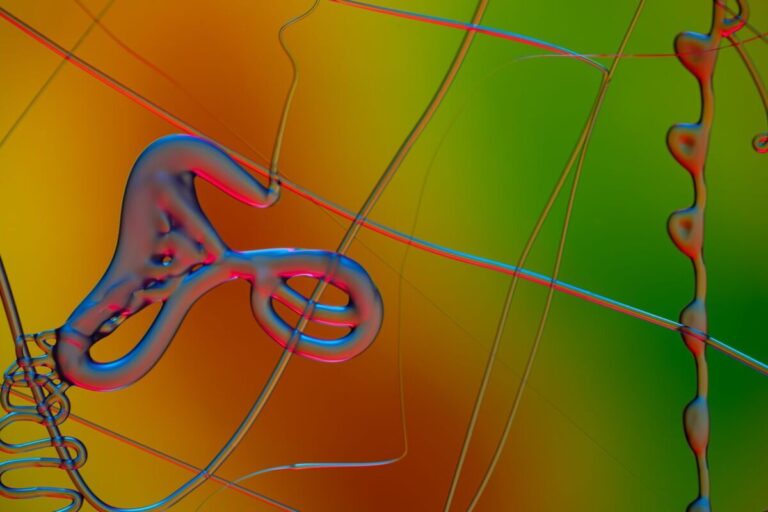
Understanding How Avoiding Alcohol For Inner Ear Balance Influences Vestibular Stability
Most of us take our sense of equilibrium for granted until the world begins to spin. Whether we stand up too fast or navigate a crowded room, our vestibular system works silently to keep us upright. This delicate network relies on fluid density and nerve signal precision to function.
When substances like ethanol enter the bloodstream, they shift the chemical environment of the endolymph fluid within the ear. These microscopic adjustments can lead to distorted signals sent directly to the brain. This creates a disconnect between what the eyes see and what the inner ear reports.
Avoiding alcohol for inner ear health is a strategic move to maintain vestibular equilibrium and prevent fluid-related dizziness. By eliminating these specific chemical disruptions, individuals often stabilize their sensory processing and reduce occurrences of unsteadiness. Consistent avoidance helps the inner ear maintain its natural chemical balance without interference.
Key Takeaways
- Blood alcohol concentration impacts inner ear density, often leading to a 10 to 15 percent shift in endolymph fluid composition.
- Vestibular nerve signaling delays can occur within 30 minutes of ethanol consumption in sensitive populations.
- Research from the National Institutes of Health highlights the essential role of fluid homeostasis in preventing chronic dizziness.
The Physiology Of Vestibular Function And Sensory Input
The inner ear houses a complex system of canals filled with specialized fluid. This fluid moves in response to head motion, pushing against tiny hair cells. These cells convert physical movement into electrical impulses for the brain.
Ethanol acts as a solvent that changes the density of this fluid. When the fluid density changes, the hair cells provide inaccurate data to the central nervous system. This causes a sensory mismatch that the brain interprets as spinning or swaying.
Research published by the U.S. National Library confirms that metabolic shifts within the labyrinthine system directly correlate with postural instability. Maintaining consistency in your internal environment supports clearer signal transmission. This clarity ensures that your body processes spatial information with high accuracy.
Variables Affecting Vestibular Homeostasis
Different factors influence how quickly the ear recovers from external chemical changes. Metabolism speeds and baseline hydration levels play major roles in how long these effects linger. Consider these variables that impact your daily stability.
| Variable | Impact Level | Recovery Time |
| Hydration Status | High | One Hour |
| Blood Sugar | Moderate | Two Hours |
| Ethanol Exposure | Severe | Twelve Hours |
Hydration is perhaps the most significant factor in maintaining fluid pressure. Adequate water intake supports the volume and consistency of the fluids surrounding the inner ear structures. When we maintain proper hydration, our ears remain more resilient against minor chemical fluctuations.
Practical Steps For Maintaining Inner Ear Wellness
Supporting your vestibular system requires attention to lifestyle habits that affect the entire head and neck region. Focus on these simple adjustments to encourage stable sensory processing. Consistency proves more effective than sporadic attempts at wellness.
- Prioritize hydration to keep the inner ear fluid environment stable.
- Monitor sodium intake to prevent fluid retention or pressure changes within the labyrinth.
- Manage stress levels as chronic tension often impacts blood flow to the delicate tissues of the ear.
Stress management often goes overlooked in discussions about physical balance. High levels of cortisol can constrict small blood vessels that supply the inner ear. By practicing breathing techniques, you may support better circulation to these vital areas.
Avoiding Alcohol For Inner Ear Sensitivity In Practice
If you suspect that your balance is reactive to specific lifestyle choices, start by observing your patterns. Track your daily intake of fluids and stimulants in a notebook for one month. Note any moments of lightheadedness alongside your dietary intake to find trends.
Calculate your daily water requirement to ensure your ears have enough fluid volume. A common starting point involves consuming half your body weight in ounces of water daily. For a 150 pound individual, this equates to 75 ounces of water every day.
Review the data provided by the National Library of Medicine regarding common causes of sensory disruption. Many individuals find that removing stimulants provides immediate clarity in their daily movement. This approach allows the vestibular system to reset without the constant pressure of chemical filtering.
Identifying Triggers Beyond The Glass
Sensory stability depends on more than just liquid intake. Many environmental factors influence how the brain receives signals from the ears. Being aware of these triggers helps in creating a protective, stable environment.
- Bright fluorescent lights can overwhelm a sensitive vestibular system.
- Rapid head movements often stress the inner ear when fluid chemistry is already compromised.
- Environmental noise contributes to sensory overload and can worsen feelings of imbalance.
Adjusting your workspace can make a significant difference in your daily comfort. Use warmer lighting and ensure your screen sits at eye level to prevent neck strain. These small changes reduce the workload on your brain when processing balance data.
Frequently Asked Questions
How does fluid density affect balance?
The inner ear contains fluid that moves through canals to signal head position to the brain. When the density or volume of this fluid changes, the sensory cells trigger inaccurate signals.
This mismatch forces the brain to compensate for information that does not match visual input. This process is often what leads to the sensation of dizziness or shifting ground.
Can dietary choices improve inner ear health?
Yes, diet plays a significant role in maintaining the chemical environment of the ear. Consuming foods that support healthy blood flow and consistent hydration levels is essential.
Focusing on whole foods and reducing intake of processed additives often provides stability. These choices minimize internal inflammation and allow the sensory system to function without added stress.
Why do some people feel more sensitive than others?
Individual biology varies based on genetics, inner ear anatomy, and general metabolic health. Some people possess more sensitive vestibular hair cells that register even tiny changes in fluid density.
Other factors like previous ear health issues can also increase this sensitivity. Understanding your own baseline is the first step toward effective management of these sensations.
What role does sleep play in sensory stability?
Sleep provides the brain with time to process sensory data and recover from daily stress. During deep rest, the body regulates fluid balance across all tissues including those in the ear.
Lack of quality rest often leads to heightened sensitivity to balance disturbances. Prioritizing consistent sleep schedules supports overall vestibular resilience.
How long should one wait to see results?
The time required to notice a shift in stability varies from person to person. Many individuals report feeling a difference within one to two weeks of making lifestyle changes.
Consistency is the primary driver of these improvements. Giving the body time to stabilize its internal chemistry allows for a more accurate assessment of your progress.
The Bottom Line
Maintaining inner ear function requires a dedicated focus on internal chemistry and steady hydration. By prioritizing simple habits, you can support your body in providing accurate signals for movement and balance.
Avoiding alcohol for inner ear health provides a clear path to reducing sensory interference. Begin by tracking your daily intake for one week to identify how these choices impact your personal sense of equilibrium.
This information is for educational purposes only and does not replace medical advice. Individuals should never stop or change any medication without consulting the provider who recommended it. Consult a licensed healthcare provider before starting any new wellness routine.
Get Your FREE Natural Health Guide!
Subscribe now and receive our exclusive ebook packed with natural health tips, practical wellness advice, and easy lifestyle changes, delivered straight to your inbox.