Why a Cold Spoon for Eye Skin Works for Morning Puffiness
Most of us recognize the sudden frustration of waking up to swollen, heavy tissue around the ocular area after a poor night of rest. This localized accumulation of fluid, known as edema, often settles in the delicate dermal layers beneath the eyes. Many people reach for simple kitchen tools to address this common morning hurdle through a cold spoon for eye skin.
Fluid retention occurs when blood vessels dilate or lymph drainage slows down overnight. Temperature changes can influence how these vessels react, which creates a quick way to manage the appearance of tired features. Using a chilled utensil provides a targeted physical interaction that helps calm the area.
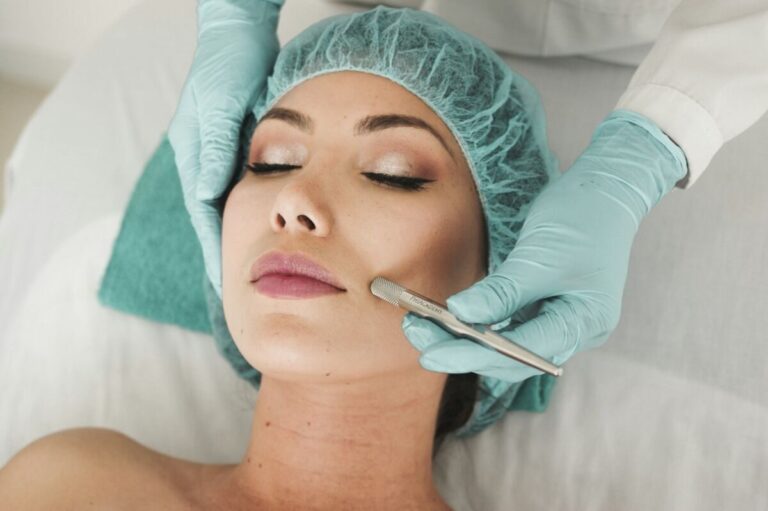
A cold spoon for eye skin works by utilizing localized cold contact to encourage vasoconstriction of surface capillaries and stimulate temporary lymphatic drainage. The chilled metal surface draws heat away from the skin, which helps reduce vascular engorgement and minimizes visible swelling within minutes. Simply pressing the back of a refrigerated spoon against the orbital bone assists in firming the appearance of the surrounding tissue.
Key Takeaways
- Cooling the skin surface typically causes blood vessels to shrink, which can reduce redness and fluid volume by approximately 15 to 20 percent.
- The delicate periorbital area contains some of the thinnest skin on the human body, measuring roughly 0.5 millimeters in depth.
- Effective cold application generally requires temperatures between 40 and 45 degrees Fahrenheit to trigger meaningful vascular responses without damaging tissues.
Physiological Responses To Chilled Metal
When you apply a cold object to your face, you trigger an immediate neurological and physical response. Cold sensations send signals to the nervous system that prioritize core temperature regulation. This process forces superficial blood vessels to tighten as a defensive measure.
Tightening these vessels limits the amount of fluid that leaks into the surrounding cellular space. You essentially create a temporary dam that prevents additional pooling in the lower lids. Medical guidance from MedlinePlus notes that proper circulation is essential for maintaining healthy tissue tone and reducing fluid accumulation.
Step By Step Application Method
Success with this technique relies on proper preparation of your tools to ensure safety and effectiveness. You should always use stainless steel spoons if possible, as they retain a chill better than plastic alternatives. Do not use frozen metal directly against the skin for extended periods to avoid irritation.
- Preparation: Place two clean spoons in your refrigerator for at least two hours before you plan to use them.
- Positioning: Gently press the curved back of the chilled spoon against the inner corner of your eye near the bridge of the nose.
- Movement: Slowly glide the spoon outward toward your temple to encourage the movement of trapped lymph fluid away from the center of the face.
- Pressure: Apply only light, feather-like pressure to avoid stretching or damaging the fragile dermal layers around the orbit.
Comparing Thermal Skin Techniques
| Method | Temperature | Primary Benefit |
| Cold Spoons | 40 Degrees | Constricts Capillaries |
| Ice Rollers | 35 Degrees | Reduces Inflammation |
| Warm Compresses | 100 Degrees | Increases Circulation |
Scientific Basis Of Vascular Constriction
The skin around the eyes lacks a thick layer of fat, making it highly susceptible to fluid shifts. When the internal environment changes, such as through diet or lack of sleep, gravity pulls water toward the lowest point. Peer reviewed studies from the National Library of Medicine explain that vascular permeability often increases during periods of systemic fatigue.
The application of a chilled object provides a mechanical force that assists the lymphatic system. Since the lymphatic system lacks a central pump, it relies on movement and temperature changes to cycle fluid back into the bloodstream. This makes a short morning routine highly effective for daily management.
Practical Considerations For Safety
You must prioritize the health of your barrier when applying extreme temperatures to the face. Never leave a metal object in the freezer until it becomes frosted, as this can cause localized thermal burns. Always check the metal with your finger first to ensure it feels cool rather than painful.
Individuals with sensitive conditions like rosacea or broken capillaries should exercise caution with extreme temperature shifts. Data from the National Institute on Aging suggests that skin resilience naturally decreases with age, requiring gentler handling. If you notice persistent redness or irritation, discontinue the use of cold implements immediately.
Integrating Lifestyle Factors
External fixes like chilled spoons provide temporary results but do not address the underlying causes of fluid retention. Salt intake, alcohol consumption, and hydration status play a significant role in how much water your body stores overnight. Balancing these internal factors ensures that you rely less on external tools over time.
Try elevating your head with an extra pillow during sleep to prevent gravity from accumulating fluid in the orbital region. This simple change allows for better drainage while you rest. Consuming adequate water throughout the day also helps your kidneys process excess sodium, which prevents the bloating that necessitates these morning interventions.
Frequently Asked Questions
Can I keep spoons in the freezer for better results?
Storing spoons in the freezer creates a risk of tissue damage because the metal can reach sub zero temperatures. Touching a frozen object to the delicate periorbital area may cause thermal injury or damage the fragile capillaries under the surface. It is much safer to keep your tools in the main refrigerator compartment where temperatures stay consistently low without hitting the freezing point.
The goal is to provide a soothing, constricting sensation rather than a numbing or freezing effect. Keeping a small tray in the fridge specifically for your wellness routine makes the process easy and consistent. If the spoon feels sticky or hard to pull away from your skin, the temperature is too low for safe application.
How long should I apply the cold treatment?
A duration of three to five minutes is usually sufficient to see a visible change in swelling levels. Applying cold for longer than ten minutes can sometimes lead to a rebound effect where the body sends extra blood to the area to compensate for the sudden drop in temperature. You want to trigger the initial constriction without causing the body to react defensively.
Consistent, short bursts of contact work better than holding the spoon in one spot for an extended time. Move the tool continuously to ensure even distribution of the cool temperature. Once the spoon loses its initial chill, you can flip it over or switch to the second set of spoons kept in the fridge.
Does the type of metal matter for my routine?
Stainless steel is the industry standard for this application because it is non porous and maintains a stable temperature for several minutes. It also resists rusting and holds up well to the moisture often found in refrigerators. Aluminum spoons can work, but they often lose their temperature much faster than heavier steel options.
Avoid plastic or wooden tools because they do not have the thermal conductivity required to pull heat away from the skin. The weight of a high quality steel spoon also provides a grounding pressure that helps massage the area. Always ensure your tools are cleaned thoroughly to prevent the transfer of bacteria to the eye area.
Are there specific times of day to use this?
The early morning hours are the most effective time because fluid retention is usually highest right after waking. You have been horizontal for several hours, which allows gravity to pull fluid into the ocular tissues. Using this method immediately after you get out of bed addresses the peak of the swelling.
Some individuals find relief by repeating this process after a long day of screen work to ease fatigue. However, the most dramatic results appear during the first hour of your day. Establishing a routine helps you manage your appearance while preparing your senses for the activities ahead.
Can this method help with dark circles?
The efficacy of cold therapy regarding dark circles depends on the cause of the discoloration. If your circles are caused by visible blood vessels beneath thin skin, the vasoconstriction from a cold spoon can temporarily make them appear less prominent. This is purely a temporary cosmetic change rather than a permanent structural fix.
If your circles are the result of hyperpigmentation or deep tissue shadows, cold applications will not change the color of the skin. Most discoloration results from a combination of factors, including sleep quality and genetic disposition. Use this method as part of a broader wellness approach rather than a single solution for skin tone issues.
The Bottom Line
Using a cold spoon for eye skin is a straightforward way to manage morning puffiness by encouraging vasoconstriction. This method leverages simple thermodynamics to move fluid and firm the appearance of the eye area without needing complicated topical products.
Always prioritize gentle, outward movements to support natural lymphatic flow. Incorporate this tool alongside better sleep hygiene and hydration for the most lasting results. Consult a licensed healthcare provider before starting any new wellness routine.
Get Your FREE Natural Health Guide!
Subscribe now and receive our exclusive ebook packed with natural health tips, practical wellness advice, and easy lifestyle changes, delivered straight to your inbox.