
Walking is often overlooked as a simple yet powerful tool for improving various aspects of health. For those grappling with bladder issues, this form of exercise can serve as both a preventative and therapeutic measure. Many individuals experience discomfort and inconvenience due to bladder dysfunction, which can lead to anxiety and impact daily activities. The good news is that making walking a regular part of your routine can significantly enhance bladder health and overall well-being.


The connection between physical activity and bladder function is rooted in how exercise influences bodily systems, including the pelvic floor and urinary tract. Walking promotes circulation, strengthens muscles, and can even alleviate stress, which is crucial for those managing bladder-related concerns. Moreover, incorporating walking into your daily life does not require special equipment or extensive time commitments. It is an accessible option for people of all ages and fitness levels.
As you begin to focus on this wellness strategy, understanding the mechanics of how walking can benefit bladder health will empower you to take actionable steps. The goal is to create a sustainable walking routine that not only addresses bladder issues but also contributes to your overall physical and mental health. This guide provides practical applications, scientific insights, and tips for integrating walking into your daily life effectively.
By prioritizing this simple yet impactful activity, you can pave the way toward better bladder health and enjoy a more active, fulfilling lifestyle. Let’s delve deeper into how to maximize the benefits of walking for your bladder and overall wellness.
Contents
How to Use Walking for Real Results
- Best Form: Brisk walking
- Best Time: Morning or early evening
- Expected Result: Improved bladder control and reduced urgency
For Daily Protection
The Prep: Start with comfortable walking shoes and clothing. Consider choosing a route with minimal distractions. A quiet park or safe neighborhood street can enhance your focus during the walk. Bring a water bottle to stay hydrated, but be mindful of your fluid intake before walking to avoid frequent bathroom breaks.
The Action: Set a timer for 30 minutes and aim for a brisk pace that elevates your heart rate but still allows you to hold a conversation. Focus on maintaining good posture. Keep your shoulders relaxed and engage your core as you walk. This will not only improve your overall walking efficiency but also strengthen your pelvic floor muscles.
The Feeling: As you walk, you may experience a slight increase in body temperature and an invigorating rush of endorphins. Many people report feeling a sense of calm and clarity afterward. Expect this sensation to last for a while, allowing you to carry this positive mood throughout your day.
Pro Tip: To maximize benefits, try to walk at least five times a week.
Targeting Urgency
The Prep: Find a flat, even surface for your walk. Wear loose-fitting clothing that allows for ease of movement. If you often experience urgency, consider timing your walks shortly after you have used the restroom to minimize discomfort.
The Action: Engage in a 20-minute walk at a moderate pace. Focus on deep breathing as you walk. Inhale for a count of four, hold for four, and exhale for four. This technique can help relax your bladder and reduce the feeling of urgency. If you feel discomfort, slow down or take short breaks as needed.
The Feeling: You may notice a reduction in the sensation of urgency as you walk, allowing you to feel more in control. The rhythmic motion of walking can also provide a soothing effect on your body and mind. This calming experience can last well beyond your walking session.
Pro Tip: Incorporate breathing exercises during your walks to enhance relaxation.
The Evening Wind Down
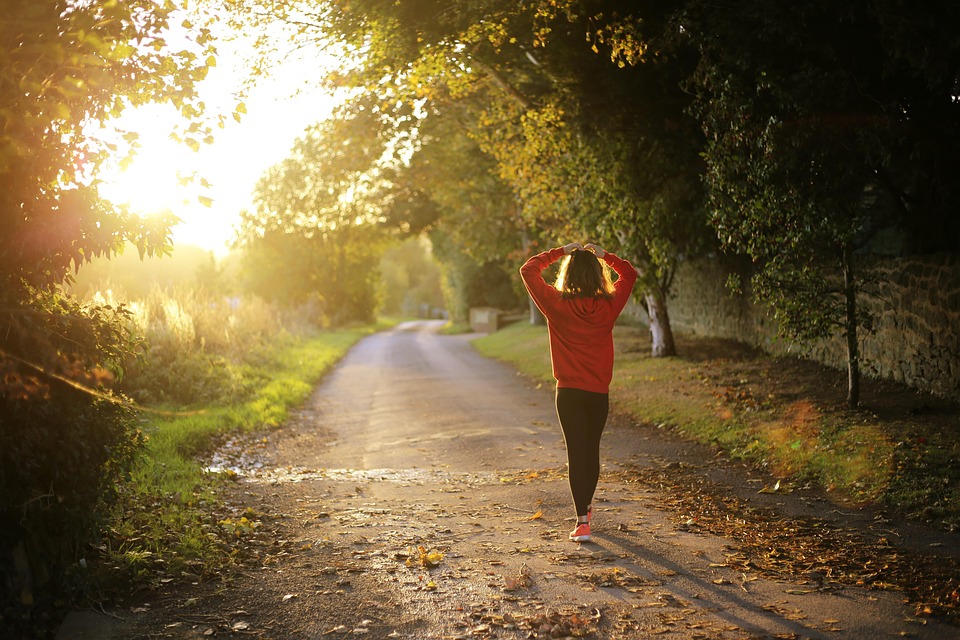
The Prep: Choose a safe, well-lit route for your evening walk. Dress in layers if necessary, as temperatures can drop after sunset. Bring along a friend or family member for companionship and safety.
The Action: Take a leisurely 30-minute stroll at a comfortable pace. Focus on your surroundings, appreciating the sights and sounds around you. This mindfulness can help ease any stress from the day, which is beneficial for bladder health. As you walk, engage in light conversation to keep your mind occupied.
The Feeling: The combination of gentle movement and fresh air can help you unwind. Many report feeling a sense of tranquility and reduced anxiety, which can contribute to a more restful night’s sleep. This peaceful feeling can linger, improving your overall mood.
Pro Tip: Use this time to reflect on your day and practice gratitude to enhance emotional well-being.
Avoiding Common Pitfalls
Neglecting Posture
Good posture is crucial for effective walking. Slouching or leaning forward can compress your abdominal organs, including the bladder. This can lead to increased pressure and discomfort during walking. Focus on standing tall with your shoulders back and head held high. Engaging your core muscles can help maintain this posture and improve pelvic stability.
To correct your posture, consider practicing specific exercises that strengthen your core and back muscles. Incorporating flexibility routines can also enhance your overall walking experience. Take note of how your body feels when you walk with proper alignment. You will likely notice an increase in comfort and efficiency.
Overexerting Yourself
Walking should be a pleasant experience, not a chore. Overexerting yourself can lead to fatigue and soreness, which may discourage you from continuing. It is essential to listen to your body and adjust your pace and distance based on your current fitness level. Gradually increase your walking time and speed to avoid injury.
Instead of focusing solely on the distance or speed, prioritize consistency. Aim to walk regularly rather than pushing for longer sessions. This approach will help build endurance over time without overwhelming your body. Remember, every small step contributes to your overall health.
Ignoring Hydration
Staying hydrated is vital, especially when engaging in any physical activity. Dehydration can lead to urinary tract issues, increasing discomfort and urgency. Make it a habit to drink water before and after your walks. However, be mindful of your fluid intake right before walking to avoid frequent restroom breaks.
Consider carrying a water bottle with you during your walks. This will remind you to hydrate regularly. Additionally, pay attention to your body’s signals. If you feel thirsty or fatigued, take a break and replenish your fluids. Keeping your body hydrated will not only support bladder health but also enhance your overall performance.
The Mechanisms Behind Walking
Walking activates various biological mechanisms that can enhance bladder health. Engaging in this low-impact exercise improves blood circulation and strengthens pelvic floor muscles. These muscles support the bladder and urethra, playing a critical role in urinary control. Strengthening these muscles through walking can lead to improved bladder function and reduced urgency.
Key compounds involved in bladder health include nitric oxide. This molecule helps improve blood flow and supports muscle relaxation, which is essential for bladder function. Enhanced circulation can also aid in the delivery of nutrients to pelvic tissues, promoting overall health and resilience against dysfunction.
Numerous studies highlight the benefits of physical activity on bladder health. A study conducted by the National Institutes of Health emphasizes the positive effects of exercise on urinary incontinence and overall bladder function. To explore this further, you can read more about the findings here.
Choosing the Right Approach
- Potency: Ensure the exercise regimen is tailored to your fitness level. This matters because an appropriate intensity will yield better results without causing strain.
- Purity: Focus on maintaining a consistent walking routine. Consistency is key to achieving long-term benefits for bladder health.
- Form: Walking should be enjoyable and fitting to your lifestyle. Choosing a walking style that you find enjoyable will increase adherence and effectiveness.
Benefits and Drawbacks
| The Benefits | Potential Downsides |
|---|---|
| Improved bladder control | Initial discomfort in the pelvic area |
| Enhanced overall physical health | Time commitment may be challenging |
| Reduced stress and anxiety | Weather conditions may limit outdoor walks |
Complementary Lifestyle Choices
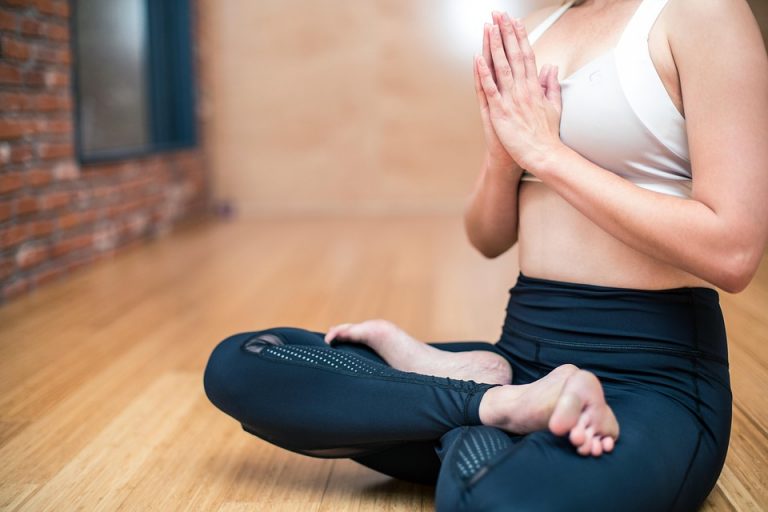
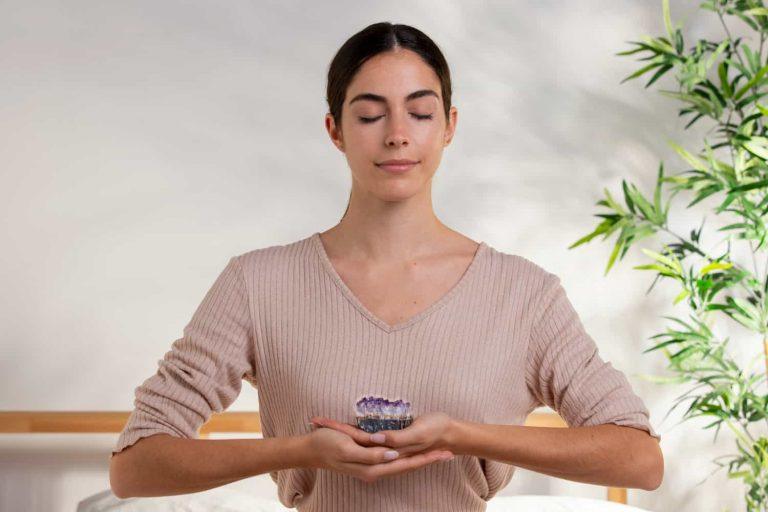
Incorporating mindfulness practices can enhance the benefits of walking. Techniques such as meditation or yoga can help manage stress, which is vital for bladder health. A calm mind contributes to overall well-being, reducing the impact of anxiety on urinary function.
Maintaining a balanced diet rich in fiber can also support bladder health. Foods that promote digestive health can help reduce the risk of constipation, which can exert additional pressure on the bladder. A nutrient-dense diet complements the benefits of walking, creating a holistic approach to wellness.
Who Should Avoid This?
– Individuals with severe mobility issues
– Those recovering from recent surgery
– People with specific medical conditions affecting balance
– Anyone experiencing acute bladder infections
Common Questions
How often should I walk for bladder health?
Aim for at least five times a week for optimal benefits.
Is brisk walking better than casual walking?
Brisk walking can provide enhanced cardiovascular benefits, which contribute to better overall health, including bladder function.
Can walking help with urinary incontinence?
Yes, regular walking can strengthen pelvic floor muscles, improving control and reducing episodes of incontinence.
What other exercises can benefit bladder health?
Strength training and pelvic floor exercises can complement walking and enhance bladder control.
The Bottom Line
Making walking a regular part of your routine can significantly improve bladder health and overall quality of life.
- The Truth: Individual results may vary based on personal health conditions.
- The Strategy: Morning or early evening walks are ideal for consistency.
- The Next Step: Consider pairing walking with mindfulness practices for enhanced benefits.
Get Your FREE Natural Health Guide!
Subscribe now and receive our exclusive ebook packed with natural health tips, practical wellness advice, and easy lifestyle changes, delivered straight to your inbox.