Understanding Wintergreen Oil For Tendons During Recovery
I feel the distinct sting of muscle fatigue after a long week of training. Many people turn toward potent botanical extracts to soothe those tight connective tissues. Sorting through natural support options often leads individuals to question the role of wintergreen oil for tendons during recovery.
Nature provides specific compounds that carry a cooling sensation when applied topically to the skin. These plant-derived liquids often contain a specific substance known for its crisp and sharp aroma. My research focuses on how these components interact with our physical comfort levels during periods of movement strain.
Wintergreen oil for tendons functions as a topical counter-irritant that creates a cooling feeling to distract the nerves from discomfort. It contains high concentrations of methyl salicylate which mimics the properties of common aspirin. Dilution is essential to prevent skin irritation when applying this concentrated extract to areas near joints.
Key Takeaways
- Methyl Salicylate Levels: This primary component makes up roughly 98 percent of pure wintergreen essential oil.
- Concentration Thresholds: Topical applications for muscle or joint support generally require a dilution ratio of 1 percent or less in a carrier oil.
- Safety Considerations: Research from the National Institutes of Health highlights that concentrated essential oils can trigger adverse reactions if applied undiluted.
Topical Support Through Plant Based Extracts
Supporting connective tissue health requires a blend of movement and recovery tactics. Many individuals favor essential oils because they offer immediate sensory feedback. Botanical agents work best when integrated into a broader routine of hydration and gentle stretching.
The skin acts as an absorption barrier for these concentrated liquids. Always prioritize high-quality carrier oils to ensure even distribution across the affected area. Proper blending minimizes the risk of redness or localized sensitivity.
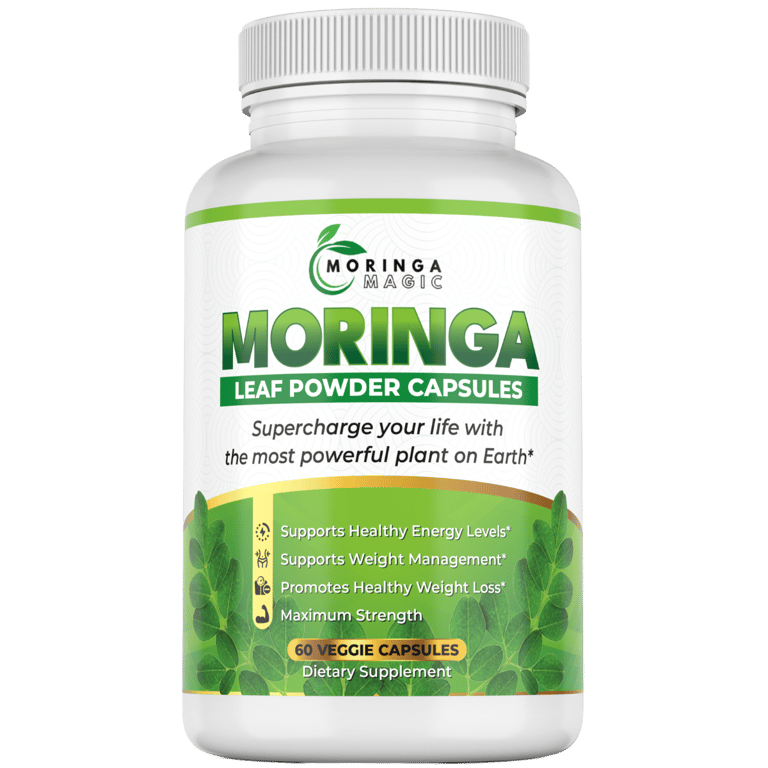
Moringa Magic™ Plant-Based Routine
- Highly bioavailable, plant-based routine designed to provide foundational nutritional support
- Helps your body optimize daily nutrient absorption and address hidden nutrient gaps
- Manufactured in a cGMP-compliant, FDA-registered facility without heavy stimulants
Scientific data from the National Library of Medicine suggests that certain volatile compounds influence local blood flow when massaged into the skin. Enhanced circulation can support the natural processes of tissue maintenance. Consistent, light massage helps the oils penetrate the upper layers of the dermis effectively.
| Compound Type | Primary Benefit | Safety Requirement |
| Wintergreen Oil | Cooling Sensation | Heavy Dilution |
| Carrier Oil | Surface Spreading | No Restriction |
| Essential Blend | Aromatic Support | Patch Testing |
Demonstrating Correct Dilution Ratios
Precise ratios define the boundary between effective support and skin damage. I use a standard calculation method for all botanical applications. Follow this simple math to ensure you stay within a safe one percent range.
- Measure Base Oil: Start with exactly one ounce of a carrier like jojoba or almond oil.
- Add Extract: Combine this with exactly six drops of the plant essence.
- Mix Thoroughly: Stir the solution well before performing a small patch test on your inner forearm.
This ratio creates a mixture that is gentle enough for daily use on larger muscle groups. Never apply the raw essence directly to the skin without this base. Monitoring your body response ensures that the routine remains supportive rather than disruptive.
Safe Practices For Tissue Maintenance
Connective tissue responds well to consistent care and gradual load increases. Overloading these structures often leads to prolonged downtime. Natural oils should supplement your movement goals rather than replacing rest.
The National Library of Medicine provides resources on managing general physical discomfort through standard, non-invasive methods. Integrating these with botanical tools can improve your daily quality of life. Keep a log of how your body feels after each application to track patterns.
- Listen To Feedback: Stop all topical applications if you notice any unusual itching or burning sensations.
- Check Medication: Never stop or change any medication without consulting the provider who recommended it.
- Avoid Sensitivity Zones: Keep all strong botanical liquids away from your eyes or broken skin.
Frequently Asked Questions
Can I use this oil every day?
Daily application is possible if you maintain strict dilution standards and monitor your skin for signs of irritation. Consistent use allows you to determine how your body reacts to the cooling properties of the methyl salicylate content.
Always cycle your usage to prevent potential sensitization over time. If the area feels sensitive or the skin appears red, pause the routine until the tissue returns to its normal state.
Does the oil penetrate deep into the tissue?
Essential oils interact primarily with the nerve endings located in the upper layers of the skin. They create a perceived cooling or warming effect that may shift focus away from discomfort in the underlying structures.
While the sensation feels internal, the actual physical reach of the oil remains localized to the surface. It serves as a tool for comfort rather than a method for altering the structure of the tissue itself.
Are there better alternatives for sensitive skin?
Many individuals find that carrier oils infused with milder herbs like arnica or calendula offer a gentler experience. These options often provide comfort without the sharp sensation associated with high-menthol or high-salicylate botanicals.
Choosing a milder alternative allows for longer massage sessions without the risk of an adverse reaction. Experimenting with different plant infusions helps you identify the best match for your personal skin threshold.
How should I store my oil blends?
Proper storage involves keeping your blends in dark glass containers away from direct sunlight and heat. Exposure to light and warmth degrades the volatile compounds within the oils over time.
Keeping bottles in a cool, dry cabinet preserves their efficacy for several months. Always label your containers with the date of mixing and the ingredients included for safety.
Can children or elderly individuals use these oils?
Botanical extracts require extra caution for younger children or older adults due to thinner skin barriers and increased sensitivity. Standard safety guidelines often suggest avoiding strong essential oils for these groups entirely.
Consult a provider regarding the specific needs of these individuals before introducing any botanical routine. Prioritize the most conservative approach to ensure the highest level of physical safety.
The Bottom Line
Using wintergreen oil for tendons requires careful preparation and an awareness of individual skin sensitivity. The plant essence works as a sensory tool to provide comfort during recovery phases. Always prioritize dilution to maintain safety during your routine.
Consult a licensed healthcare provider before starting any new wellness routine.
Get Your FREE Natural Health Guide!
Subscribe now and receive our exclusive ebook packed with natural health tips, practical wellness advice, and easy lifestyle changes, delivered straight to your inbox.