Using Sauna For Heat Shock Inflammation To Aid Recovery
Most of us feel the lingering weight of physical fatigue after a busy week. Our joints sometimes stiffen and our muscles hold onto the tension of daily movement. We often look for ways to help our bodies bounce back without relying on artificial interventions.
Heat exposure remains a frequent topic in wellness circles as a method to support cellular resilience. Many people find that spending time in a high temperature environment helps them feel more capable and agile. This approach offers a simple way to assist the body in maintaining internal balance.
Using sauna for heat shock inflammation helps the body produce specific protective proteins that stabilize cellular structures. These proteins act as a buffer against environmental stress and physical strain. Regular exposure may assist individuals in maintaining healthy recovery cycles throughout their training or daily life.
Key Takeaways
- Heat exposure triggers the production of specialized proteins within 15 to 30 minutes of sessions.
- Core body temperatures often rise by 1 to 2 degrees Celsius during typical sessions.
- Consistent heat exposure links to lower markers of systemic stress in long term observations.
Physiological Responses To High-Heat Environments
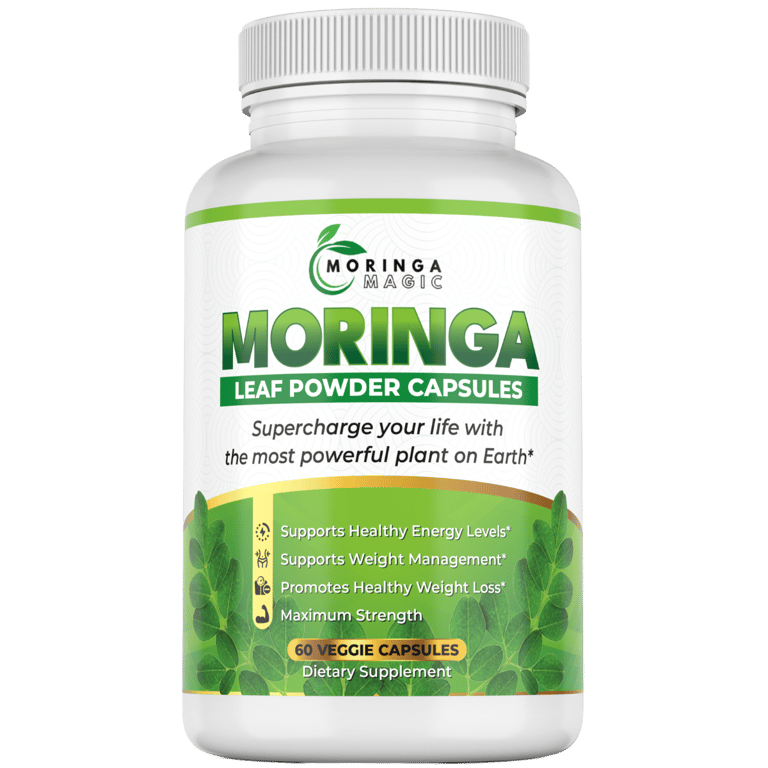
Moringa Magic™ Plant-Based Routine
- Highly bioavailable, plant-based routine designed to provide foundational nutritional support
- Helps your body optimize daily nutrient absorption and address hidden nutrient gaps
- Manufactured in a cGMP-compliant, FDA-registered facility without heavy stimulants
The body responds to thermal stress by initiating a cascade of internal shifts. When we sit in a heated room, our heart rate rises to circulate blood closer to the skin surface. This process mimics light physical activity and forces the body to prioritize cooling mechanisms.
Research from the National Institutes of Health provides evidence that these cardiovascular adjustments assist in overall endurance. The heart becomes more efficient at pumping blood while the skin vessels dilate. This circulation helps transport oxygen to tired tissues.
Sweating acts as the primary cooling method during these periods. Through this action, the body eliminates minor surface impurities while regulating its internal temperature. It is a natural way to support the skin and circulatory systems.
The Science Of Protective Protein Synthesis
When the body experiences intense heat, it activates a unique protective response. This involves the creation of chaperone proteins that shield existing structures from breaking down. Think of these proteins as small repair crews moving through the cells.
These molecular agents prevent other proteins from misfolding during periods of stress. By keeping these structures stable, the body maintains better function even when under physical pressure. Such stability is essential for individuals who push their limits during exercise.
A study from the University of Eastern Finland details how these internal cycles support longevity and cellular health. The findings suggest that frequent exposure leads to more robust defense mechanisms over time. It offers a practical way to support the body naturally.
Calculating Your Optimal Thermal Exposure
Individual tolerance varies significantly based on previous experience and personal comfort levels. You should start with short durations to gauge your body response. Use this table as a reference for your initial sessions.
| Exposure Level | Time Duration | Target Temperature |
|---|---|---|
| Beginner Stage | Ten minutes | Seventy degrees Celsius |
| Intermediate Stage | Twenty minutes | Eighty degrees Celsius |
| Advanced Stage | Thirty minutes | Ninety degrees Celsius |
Calculate your cumulative weekly time by multiplying the session length by the number of visits. Start with a goal of sixty minutes per week spread across three visits. Adjust your total based on how your body feels the following morning.
Practical Implementation Of Heat Cycles
Safety remains the priority during any wellness routine involving temperature shifts. Always hydrate well before and after you enter the heated room. Water intake ensures that your body has enough fluid to support the sweating process.
- Hydration Check: Consume at least sixteen ounces of water before you step into the heat.
- Gradual Entry: Start on the lower benches where the air feels slightly cooler to allow for adaptation.
- Steady Breathing: Maintain slow and rhythmic breaths to keep your nervous system calm and stable.
- Cool Down: Exit the room slowly and allow your body temperature to return to normal in a temperate space.
Environmental Stressors And Cellular Health
External factors can impact how well the body manages heat. Pollution, poor sleep, and low-quality nutrition often make the body more sensitive to physical strain. Taking steps to improve your baseline health will improve your results.
The Centers for Disease Control offers resources on understanding how environment affects the human body. Focus on clean air and consistent hydration to provide the best environment for your cells. These simple habits create a foundation for better resilience.
Managing your stress levels outside the heated room is equally important. High cortisol levels can interfere with the positive outcomes of your routine. Practice mindfulness or light stretching to keep your system in a state of calm balance.
Frequently Asked Questions
Does this practice replace regular physical exercise?
This routine serves as a complement to your movement habits rather than a replacement. While it mimics certain cardiovascular benefits, it does not build muscle strength or bone density in the same way resistance training does.
Focus on using this as a recovery tool for your off days. It helps to prepare your body for the next round of activity by lowering overall stiffness. Keep your primary exercise program consistent alongside these sessions.
Can I stay in the room until I feel exhausted?
You should avoid pushing yourself to the point of exhaustion or dizziness. The goal is to stimulate a mild protective response without stressing your system beyond its capability to recover.
If you feel lightheaded, leave the room immediately and sit in a cooler area. Recovery should always feel restorative and never like an endurance test. Listen to your body and exit whenever you feel the need.
Are there specific times of day that work best?
Many people prefer using the heat in the late afternoon or evening. This timing allows the body to relax before sleep, which often leads to better rest quality.
Others find it helpful as a morning wake up routine to improve blood flow. Choose the time that fits your schedule and allows you to relax without feeling rushed. Consistency matters more than the specific hour of the day.
How often should one perform these sessions?
Most individuals find success with three to four sessions per week. This frequency allows the body enough time to adapt to the stimulus without becoming overwhelmed.
Monitor how your body feels after each session. If you feel tired or sluggish, reduce the frequency of your visits. Adjust your schedule based on your personal energy levels and daily demands.
Can children or older adults join these sessions?
The impact of high heat varies greatly across age groups and physical conditions. Older adults often have different requirements for hydration and temperature management compared to younger individuals.
Always verify your physical status before starting this routine if you fall into these categories. Never stop or change any medication without consulting the provider who recommended it. Safety is the priority for everyone at every stage of life.
The Bottom Line
Integrating heat sessions into your schedule provides a simple method to support your cellular health and physical recovery. By focusing on consistency and listening to your body, you can assist your systems in maintaining balance naturally.
Never stop or change any medication without consulting the provider who recommended it. Start with brief sessions and observe how your body responds to the change before increasing the time spent in the heat.
Consult a licensed healthcare provider before starting any new wellness routine.
Get Your FREE Natural Health Guide!
Subscribe now and receive our exclusive ebook packed with natural health tips, practical wellness advice, and easy lifestyle changes, delivered straight to your inbox.