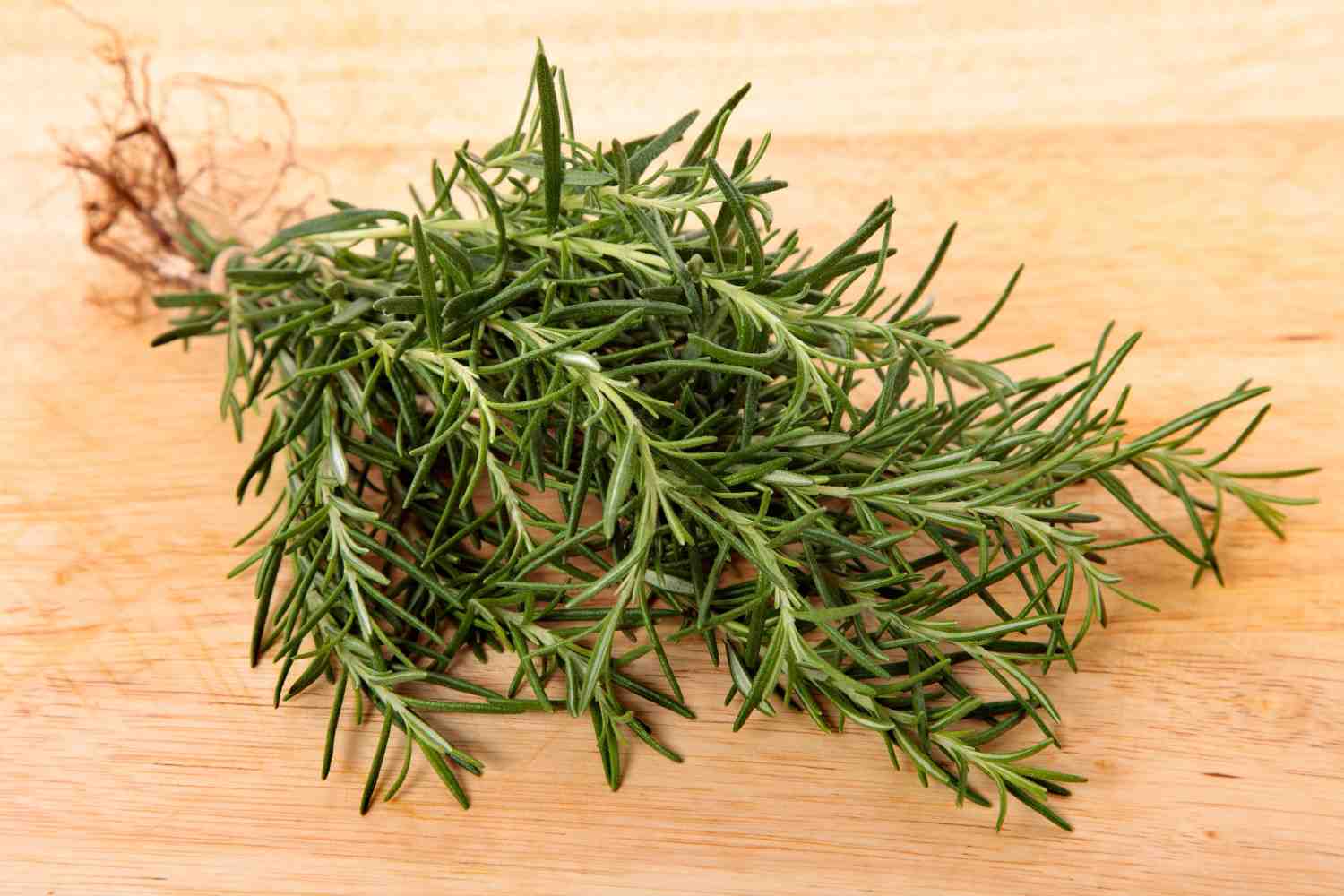

I remember the first time I caught a whiff of fresh rosemary. It was at a small Italian restaurant, where the aroma danced through the air, mingling with the scent of garlic and roasted meats. I was captivated—not just by the fragrance but by the way it seemed to awaken my senses. Little did I know that this humble herb could play a significant role in enhancing memory and cognitive function.
In our fast-paced world, where mental clarity and memory retention are more critical than ever, the quest for natural cognitive enhancers has gained momentum. Rosemary, a staple in Mediterranean cuisine, is emerging as a contender in this arena. But what does the science say? Is there more to this aromatic herb than just culinary delight?
Contents
The Science Behind Rosemary and Memory
Understanding Memory
Memory is not a monolithic entity; it comprises various types, including short-term, long-term, and working memory. Each type plays a unique role in our daily lives, from recalling a friend’s name to solving complex problems.
A study published in the Journal of Medicinal Food highlighted that rosemary contains compounds like rosmarinic acid and 1,8-cineole, which may enhance cognitive performance. In particular, 1,8-cineole has been linked to improved memory retention and recall. [1]
The Role of Aromatherapy
Interestingly, the benefits of rosemary extend beyond its culinary uses. Aromatherapy, which utilizes essential oils for therapeutic benefits, has garnered attention for its potential cognitive enhancement properties. A study conducted by researchers at Northumbria University found that participants exposed to rosemary essential oil performed better in memory tasks than those who were not. The scent appeared to enhance alertness and cognitive performance, leading to improved memory recall. [2]
Peer-Reviewed Evidence
-
Cognitive Performance: A 2013 study published in Therapeutic Advances in Psychopharmacology found that rosemary extract improved cognitive performance in older adults, particularly in tasks requiring attention and memory.
-
Neuroprotective Properties: Research in the Journal of Agricultural and Food Chemistry suggests that the antioxidants found in rosemary may protect brain cells from oxidative stress, a contributor to cognitive decline.
These studies indicate that rosemary is more than just a flavorful herb; it may have tangible benefits for memory and cognitive health.
Practical Applications of Rosemary in Daily Life
Now that we’ve established the potential benefits of rosemary for memory, how can we incorporate this herb into our diets effectively? Below are practical applications, along with common mistakes to avoid.
Culinary Uses
-
Infused Oils: One of the simplest ways to enjoy rosemary is by infusing it in olive oil. Heat olive oil gently and add fresh rosemary sprigs. Let it sit for a few days, and you’ll have a fragrant oil perfect for drizzling on salads or using in marinades.
-
Herb Blends: Combine rosemary with other herbs like thyme and oregano for a robust seasoning blend. This can elevate roasted vegetables, meats, or even homemade bread.
-
Teas: Rosemary tea is a delightful option for those looking to reap the herb’s benefits. Steep fresh or dried rosemary leaves in hot water for about 10 minutes, and enjoy a warm cup that may help with mental clarity.
Common Mistakes
-
Overcooking: Rosemary is best added towards the end of cooking to preserve its flavor and beneficial compounds. Overcooking can diminish its potency.
-
Ignoring Freshness: Fresh rosemary offers more health benefits than dried. While dried rosemary can still be beneficial, fresh herbs pack a more potent punch.
Cultural Context
In Mediterranean cultures, rosemary has long been revered not just for its flavor but also for its medicinal properties. Ancient Greeks would wear rosemary garlands during exams, believing the herb helped improve memory. This cultural anecdote underscores the historical significance of rosemary as a cognitive enhancer.
The Counterpoints: Is Rosemary a Cure-All?
While the benefits of rosemary are compelling, it’s crucial to approach this herb with balanced skepticism. Not every study definitively establishes a cause-and-effect relationship between rosemary and memory enhancement.
For instance, while some studies show promise, others indicate that the effects of rosemary may be subtle and not universally applicable. Individual responses can vary based on factors like genetics, overall diet, and lifestyle.
Personal Reflection
In my experience, I’ve noticed that when I incorporate rosemary into my meals, I feel more alert and focused. However, I also recognize that no single herb can replace a well-rounded diet or healthy lifestyle. It’s about finding a balance and using rosemary as part of a broader strategy for cognitive health.
A Step-by-Step Guide to Incorporating Rosemary
Here’s a practical, step-by-step guide to help you seamlessly integrate rosemary into your daily routine:
Step 1: Start Small
Begin by adding fresh rosemary to your dishes. A simple roast chicken with rosemary can be a delightful start.
Step 2: Experiment with Tea
Try making rosemary tea. Boil water, steep rosemary for 10 minutes, and enjoy. You might want to add honey or lemon for added flavor.
Step 3: Make Infused Oils
Create your rosemary-infused olive oil. Use it for salad dressings or drizzling over grilled veggies.
Step 4: Use Aromatherapy
Consider using rosemary essential oil in a diffuser while you study or work. This can enhance your focus and memory retention.
Step 5: Track Your Progress
Keep a journal to note any changes in your mental clarity or memory. This will help you assess whether rosemary is beneficial for you.
FAQs
1. Can rosemary improve memory in all age groups?
While studies suggest benefits across various age groups, individual responses can differ. Younger adults may experience different effects compared to older adults.
2. How much rosemary should I consume for memory benefits?
There’s no established dosage for rosemary, but incorporating it into meals regularly can be beneficial. A few sprigs a day should suffice.
3. Are there any side effects of consuming rosemary?
In moderation, rosemary is safe for most people. However, excessive consumption may lead to digestive issues or allergic reactions in some individuals.
4. Can rosemary interact with medications?
Yes, rosemary can interact with certain medications, particularly blood thinners. Consult your healthcare provider if you’re on medication.
5. Is rosemary essential oil safe for everyone?
Rosemary essential oil is generally safe for most people, but it should be used cautiously around children, pregnant women, or those with certain health conditions.
Conclusion
As we explore the potential of rosemary in enhancing memory, it’s essential to maintain a holistic perspective. While the science is promising, it’s not a panacea. A healthy lifestyle, balanced diet, and mental exercises remain crucial for cognitive health.
Rosemary can serve as a delightful addition to this journey. Its aromatic presence, whether in the kitchen or as essential oil, invites us to explore the intersection of flavor and function. As we continue to uncover nature’s treasures, who knows what other culinary herbs might hold the key to unlocking our cognitive potential?
Medical Disclaimer
This article is for educational purposes only and does not replace professional medical guidance. Always speak with a qualified healthcare provider before making changes to your health routine.
References
- Journal of Medicinal Food. “The Role of Rosemary in Cognitive Functioning.” Link
- Therapeutic Advances in Psychopharmacology. “Cognitive Enhancements from Rosemary.” Link
- Journal of Agricultural and Food Chemistry. “Antioxidants in Rosemary: Implications for Brain Health.” Link
By incorporating rosemary into your diet, you not only add flavor but also tap into a rich history of memory enhancement that spans cultures and centuries.
Get Your FREE Natural Health Guide!
Subscribe now and receive our exclusive ebook packed with natural health tips, practical wellness advice, and easy lifestyle changes, delivered straight to your inbox.