Garlic, a staple in kitchens around the world, is often celebrated for its culinary prowess. However, its potential health benefits extend far beyond flavor enhancement. As someone who has spent years researching natural health remedies, I’ve found that garlic, particularly in relation to brain health, is a topic ripe for exploration. This article delves into the cognitive benefits of garlic, supported by scientific studies and practical insights, while also considering its cultural significance and historical context.
Contents
- The Nutritional Powerhouse: What’s Inside Garlic?
- Cultural and Historical Context
- Real-Life Examples: Garlic in Action
- Common Mistakes: Overdoing It
- Skeptical Perspectives
- The Science Behind Garlic and Cognitive Function
- Garlic vs. Other Brain Foods
- FAQs About Garlic and Brain Health
- Reflecting on Garlic’s Role in Modern Health
- Conclusion: A Future with Garlic
The Nutritional Powerhouse: What’s Inside Garlic?
Garlic (Allium sativum) is packed with nutrients and compounds that contribute to its health-promoting properties. The most notable of these is allicin, which is released when garlic is crushed or chopped. Allicin is known for its antioxidant, anti-inflammatory, and antimicrobial effects. But how does this translate to brain health?
Antioxidants and Brain Health
Oxidative stress is a major factor in cognitive decline and neurodegenerative diseases such as Alzheimer’s. Antioxidants combat oxidative stress, protecting brain cells from damage. A study published in the Journal of Alzheimer’s Disease found that garlic supplementation can enhance antioxidant status, potentially mitigating the risk of cognitive decline (1).
Anti-Inflammatory Properties
Chronic inflammation is another contributor to neurodegenerative conditions. Garlic’s anti-inflammatory properties can be attributed to its sulfur compounds, which may help reduce inflammation in the brain. Research published in Frontiers in Aging Neuroscience highlights how a diet rich in garlic can lower markers of inflammation, suggesting a protective effect on cognitive function (2).
Cultural and Historical Context
Garlic has been revered for centuries, not only for its flavor but also for its medicinal properties. Ancient Egyptians used garlic to boost strength and endurance, while Greek and Roman societies valued it for its health benefits. In traditional Chinese medicine, garlic is believed to promote “qi,” or vital energy, which is essential for overall well-being.
This cultural backdrop adds depth to our understanding of garlic’s role in health. The wisdom of past generations often intersects with modern science, leading to a greater appreciation of this humble bulb.
Real-Life Examples: Garlic in Action
Consider the case of Maria, a 68-year-old woman who has incorporated garlic into her daily diet. Initially, she added garlic to her meals for flavor, but after learning about its cognitive benefits, she became more intentional. Over six months, she noticed improvements in her memory and focus. While her experience is anecdotal, it aligns with studies suggesting that regular garlic consumption may support cognitive health.
Practical Applications: How to Incorporate Garlic
-
Raw Garlic: The most potent form of garlic is raw. Try adding minced garlic to salads or dressings.
-
Roasted Garlic: Roasting mellows the flavor. Spread it on whole-grain bread or mix it into mashed potatoes for a delicious twist.
-
Garlic Supplements: For those who find the taste overwhelming, enteric-coated garlic supplements are available, ensuring the active compounds are preserved.
However, be mindful of potential digestive issues. Some may experience discomfort or heartburn from raw garlic. It’s essential to listen to your body and adjust accordingly.
Common Mistakes: Overdoing It
While garlic has many benefits, moderation is key. Excessive consumption can lead to gastrointestinal distress. It’s also worth noting that not all garlic products are created equal. Some supplements may lack the active compounds necessary for cognitive benefits. Always opt for high-quality products and consult with a healthcare provider if you’re considering supplements.
Skeptical Perspectives
Despite the promising research, some studies on garlic and cognitive health yield mixed results. A review in The American Journal of Clinical Nutrition noted that while garlic has health benefits, the evidence specifically linking it to cognitive enhancement is still emerging (3). This highlights the importance of a balanced perspective; garlic should complement a holistic approach to brain health that includes a well-rounded diet, regular exercise, and mental stimulation.
The Science Behind Garlic and Cognitive Function
Let’s dive deeper into the science. A study published in the Journal of Nutrition found that garlic extract improved cognitive function in older adults, particularly in memory and attention tasks (4). The researchers attributed this to garlic’s ability to enhance blood flow and reduce oxidative stress in the brain.
Mechanisms of Action
-
Increased Blood Flow: Garlic may enhance nitric oxide production, which helps dilate blood vessels and improve circulation. Better blood flow means more oxygen and nutrients reach the brain.
-
Neuroprotective Effects: The antioxidants in garlic can help reduce the risk of neurodegenerative diseases by protecting neurons from damage. This neuroprotection is crucial for maintaining cognitive function as we age.
-
Hormonal Balance: Garlic can influence hormone levels, such as insulin. Insulin resistance has been linked to cognitive decline, particularly in the context of diabetes and metabolic syndrome.
Garlic vs. Other Brain Foods
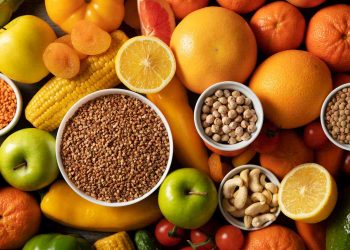
While garlic is a powerful ally for brain health, it’s essential to consider it within the broader context of a brain-healthy diet. Foods like fatty fish, berries, nuts, and leafy greens also contribute significantly to cognitive function. Combining these foods with garlic may offer synergistic effects, enhancing overall brain health.
A Personal Reflection
I’ve noticed that when I incorporate a variety of brain-boosting foods into my diet, including garlic, my mental clarity and focus improve. It’s not just about one superfood; it’s about creating a balanced, nutrient-rich diet. Garlic is a key player, but it thrives in a community of other healthful ingredients.
FAQs About Garlic and Brain Health
Q1: Can garlic help with memory loss?
A1: Some studies suggest that garlic may improve memory function, particularly in older adults. However, more research is needed for definitive conclusions.
Q2: How much garlic should I consume for cognitive benefits?
A2: While there’s no specific dosage, incorporating 1-2 cloves of raw garlic into your daily diet is a good starting point.
Q3: Are there any side effects of eating garlic?
A3: Some individuals may experience digestive discomfort or heartburn from raw garlic. Moderation is key.
Q4: Can garlic supplements replace fresh garlic?
A4: Supplements can be beneficial, but they may not provide the same range of nutrients found in whole garlic. Fresh garlic is generally recommended.
Q5: Is there any risk of garlic interacting with medications?
A5: Yes, garlic can interact with certain medications, particularly blood thinners. Always consult a healthcare provider if you’re taking medications.
Reflecting on Garlic’s Role in Modern Health
As our understanding of nutrition evolves, garlic stands out as a remarkable food with potential cognitive benefits. Its rich history, combined with emerging scientific evidence, invites us to reconsider how we view this common kitchen ingredient.
While garlic alone won’t be a magic bullet for brain health, it can be a valuable part of a holistic approach. Incorporating garlic into a balanced diet, along with other nutrient-rich foods, may pave the way for better cognitive function as we age.
Conclusion: A Future with Garlic
As research continues to unfold, the intersection of garlic and brain health is a fascinating area to watch. Whether you’re a garlic enthusiast or a skeptic, the potential benefits warrant consideration. Garlic may not be the sole solution to cognitive decline, but it certainly has a place on the table of brain-boosting foods.
I encourage readers to explore garlic not just from a health standpoint but also for its culinary versatility. Experimenting with garlic in different dishes can be a delicious way to enhance both flavor and health. Perhaps your next meal will serve not only to nourish your body but also to support your brain.
Medical / Health Disclaimer
This article is for educational purposes only and does not replace professional medical guidance. Always speak with a qualified healthcare provider before making changes to your health routine.
References
- Journal of Alzheimer’s Disease. “Garlic and the Brain: A Review.” Link
- Frontiers in Aging Neuroscience. “The Anti-Inflammatory Effects of Garlic in Alzheimer’s Disease.” Link
- The American Journal of Clinical Nutrition. “Garlic: A Review of its Effects.” Link
- Journal of Nutrition. “Cognitive Function and Garlic: A Clinical Trial.” Link
Get Your FREE Natural Health Guide!
Subscribe now and receive our exclusive ebook packed with natural health tips, practical wellness advice, and easy lifestyle changes — delivered straight to your inbox.