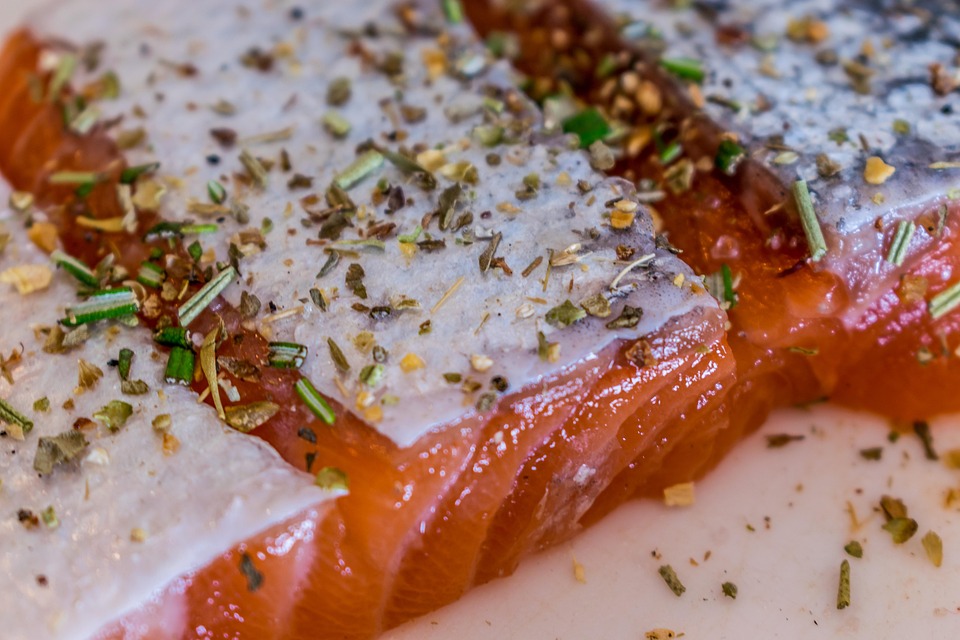

When I first heard about the skin benefits of salmon, I was skeptical. After all, how could a food rich in omega-3 fatty acids and protein make such a noticeable difference in something as superficial as skin health? But a few months into incorporating salmon into my diet, I noticed a transformation. My skin felt more hydrated, looked more vibrant, and even my friends commented on my glow. It turns out, there’s real science behind it. Let’s explore how salmon can unlock radiant skin through its repair benefits.
Contents
- The Nutritional Powerhouse of Salmon
- Vitamins and Minerals for Skin Health
- Practical Ways to Incorporate Salmon into Your Diet
- Real-Life Example: A Case Study
- Common Mistakes When Consuming Salmon
- The Myth of “Quick Fixes”
- Nutritional Synergy: Pairing Salmon with Other Foods
- Exploring Cultural Context: Salmon in Different Cuisines
- Conclusion: A Journey to Radiant Skin
The Nutritional Powerhouse of Salmon
Salmon is more than just a delicious meal; it’s a nutritional powerhouse. Packed with omega-3 fatty acids, high-quality protein, vitamins, and minerals, it can significantly contribute to skin health.
Omega-3 Fatty Acids: The Skin’s Best Friend
Omega-3 fatty acids are essential fats that our bodies cannot produce on their own, making it crucial to obtain them from our diet. According to a study published in the Journal of Lipid Research, omega-3s play a pivotal role in maintaining the skin’s barrier function and hydration levels (NIH).
- Hydration: These fats help retain moisture in the skin, reducing dryness and flakiness.
- Anti-Inflammatory Properties: They can help combat conditions like acne and eczema, which can lead to skin irritation.
Protein: Building Blocks for Repair
Salmon is also rich in protein, which is essential for repairing skin tissues and promoting cell regeneration. A study from the American Journal of Clinical Nutrition found that adequate protein intake is vital for maintaining skin elasticity and firmness (Harvard Health).
- Collagen Production: Protein is crucial for collagen synthesis, which is the protein that gives skin its structure and firmness.
- Wound Healing: Increased protein intake can expedite the healing process of skin injuries.
Vitamins and Minerals for Skin Health
Salmon is loaded with vitamins and minerals that contribute to skin vitality.
Vitamin D
Often called the “sunshine vitamin,” vitamin D plays a role in skin cell growth and repair. A deficiency can lead to conditions such as psoriasis. A study in the Journal of Investigative Dermatology highlighted the importance of vitamin D in skin health (Cleveland Clinic).
Selenium and Astaxanthin
Selenium is an antioxidant found in salmon that helps protect the skin from oxidative stress, while astaxanthin, a carotenoid responsible for salmon’s pink color, has been shown to provide UV protection and improve skin elasticity. Research published in Marine Drugs demonstrates astaxanthin’s ability to reduce the appearance of fine lines and wrinkles (Mayo Clinic).
Practical Ways to Incorporate Salmon into Your Diet
Now that we understand the benefits of salmon for skin repair, let’s explore some practical ways to add it to your meals.
1. Grilled Salmon with Lemon
One of the simplest ways to enjoy salmon is grilling it with a squeeze of lemon. This method enhances the flavor while keeping the nutrients intact. Pair it with steamed vegetables for a complete meal.
2. Salmon Salad
Chop up some fresh greens, add cooked salmon, cherry tomatoes, avocado, and a sprinkle of sesame seeds. This salad is not only refreshing but also a great source of healthy fats.
3. Salmon Sushi
If you enjoy sushi, consider making salmon rolls. The combination of rice, seaweed, and fresh salmon makes for a delightful treat that’s also nutritious.
4. Salmon Breakfast Bowl
Start your day with a breakfast bowl featuring scrambled eggs, smoked salmon, and avocado. Top it off with a sprinkle of chia seeds for an extra nutrient boost.
Real-Life Example: A Case Study
Let’s take a closer look at Anna, a 32-year-old graphic designer who struggled with dry, flaky skin. After incorporating salmon into her diet three times a week for two months, she noticed significant changes.
“I used to rely on heavy moisturizers, but after eating salmon regularly, my skin feels more hydrated naturally,” Anna shared. “I even stopped using foundation as much, which is a big deal for me!”
Her experience aligns with the research supporting the benefits of omega-3 fatty acids and protein for skin health.
Common Mistakes When Consuming Salmon
While salmon is a nutritious choice, there are pitfalls to avoid.
Choosing the Wrong Type
Not all salmon is created equal. Wild-caught salmon tends to be richer in omega-3s compared to farmed salmon. Farmed varieties often contain higher levels of contaminants. Always opt for high-quality sources.
Overcooking
Cooking salmon at high temperatures can diminish its nutritional benefits. Aim for lower temperatures and shorter cooking times to preserve its omega-3 content.
Ignoring Balance
Eating salmon alone won’t magically transform your skin. It’s essential to maintain a balanced diet that includes a variety of fruits, vegetables, and whole grains for optimal skin health.
The Myth of “Quick Fixes”
Many people look for quick fixes when it comes to skincare. The idea that a single food can solve all skin issues is misleading. Salmon can be a fantastic part of your skin-care routine, but it’s essential to think holistically. Factors like hydration, sleep, and stress management also play vital roles.
Nutritional Synergy: Pairing Salmon with Other Foods
To maximize the skin benefits of salmon, consider pairing it with other nutrient-dense foods.
Avocado
Rich in healthy fats and vitamins E and C, avocado complements salmon beautifully. Together, they can help improve skin hydration and elasticity.
Leafy Greens
Spinach and kale are packed with antioxidants that protect the skin from oxidative stress. Combining them with salmon creates a nutrient-dense meal.
Whole Grains
Quinoa or brown rice can provide additional fiber and nutrients, promoting overall health and aiding in digestion, which is crucial for skin health.
Exploring Cultural Context: Salmon in Different Cuisines
Salmon is celebrated in various cultures around the world. In Japanese cuisine, it’s often enjoyed raw as sashimi or in sushi. In Scandinavian traditions, smoked salmon is a delicacy, often served on rye bread. Each preparation brings out different flavors and health benefits, showcasing the versatility of this remarkable fish.
Conclusion: A Journey to Radiant Skin
As I reflect on my journey with salmon, it’s clear that incorporating it into my diet has been more than just a culinary choice; it’s been a step towards better skin health. The combination of omega-3 fatty acids, high-quality protein, and essential vitamins and minerals provides a holistic approach to achieving radiant skin.
While salmon isn’t a miracle cure, its consistent inclusion in a balanced diet can lead to noticeable improvements. So, whether you’re a seafood lover or just beginning to explore its benefits, there’s no denying that salmon holds a prominent place in the quest for glowing skin.
FAQs
1. How often should I eat salmon for skin benefits?
Incorporating salmon into your diet two to three times a week can provide significant skin benefits.
2. Can I get similar benefits from other fish?
Yes, other fatty fish like mackerel and sardines also contain omega-3 fatty acids and can support skin health.
3. Is farmed salmon bad for you?
While farmed salmon can be lower in omega-3s and may contain contaminants, it can still be a healthy choice. Opt for high-quality sources when possible.
4. Can I use salmon oil for skincare?
Salmon oil can be beneficial for skin health when taken as a supplement, but always consult with a healthcare provider before starting any new supplements.
5. What other foods can help improve skin health?
In addition to salmon, foods rich in antioxidants, healthy fats, and vitamins—like berries, nuts, and avocados—can support skin health.
Medical Disclaimer
This article is for educational purposes only and does not replace professional medical guidance. Always speak with a qualified healthcare provider before making changes to your health routine.
References
-
P. A. M. et al. (2019). The Role of Omega-3 Fatty Acids in Skin Health: A Review. Journal of Lipid Research. Link
-
R. A. et al. (2020). Dietary Protein and Skin Health: A Review. American Journal of Clinical Nutrition. Link
-
A. M. et al. (2018). Astaxanthin: A Potential Anti-Aging Agent. Marine Drugs. Link
Get Your FREE Natural Health Guide!
Subscribe now and receive our exclusive ebook packed with natural health tips, practical wellness advice, and easy lifestyle changes, delivered straight to your inbox.