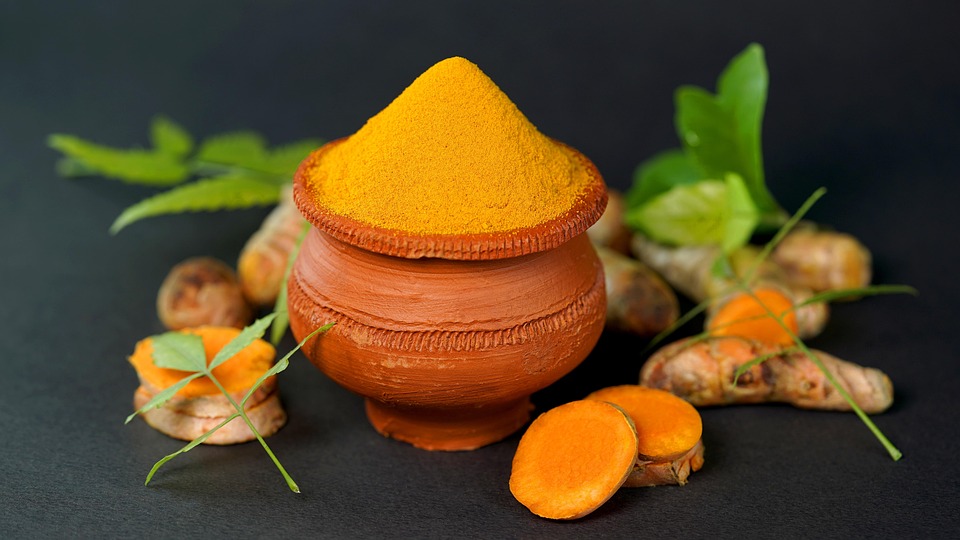

Turmeric has gained significant attention in the wellness community, especially for its potential to combat inflammation. This is particularly important for those on a ketogenic diet, which emphasizes low carbohydrate intake to promote fat loss and improve metabolic health. Inflammation can hinder progress on a keto journey, manifesting as joint pain, fatigue, or even digestive issues. Finding effective anti-inflammatory solutions becomes essential for maintaining energy and overall well-being.

The challenge lies in identifying natural ingredients that can seamlessly fit into a keto lifestyle while also providing robust anti-inflammatory benefits. Turmeric, a vibrant yellow spice, offers a unique solution due to its active compound, curcumin. This compound has been studied extensively for its anti-inflammatory properties, making it a suitable ally for those navigating the complexities of a ketogenic diet.
Integrating turmeric into daily routines can enhance the effectiveness of a keto diet and mitigate inflammation, allowing for improved physical performance and mental clarity. By understanding how to utilize turmeric effectively, individuals can make informed choices that align with their health goals while maximizing the benefits of their dietary regimen.
This guide aims to provide a comprehensive overview of turmeric’s role in supporting a keto lifestyle, detailing practical applications, the science behind its efficacy, and tips for incorporating it effectively into your daily routine.
Contents
How to Use Turmeric for Real Results
- Best Form: Powder or capsules
- Best Time: With meals
- Expected Result: Reduced inflammation and enhanced recovery
For Daily Protection
The Prep: Start with high-quality turmeric powder or turmeric capsules. For a daily drink, you can mix one teaspoon of turmeric powder with warm water or coconut milk. Adding a pinch of black pepper enhances curcumin absorption significantly.
The Action: Mix the turmeric powder with your chosen liquid. If using coconut milk, heat it gently and stir in the turmeric until fully dissolved. You may sweeten this with a keto-friendly sweetener if desired. Drink this concoction in the morning to kickstart your day.
The Feeling: Expect a warming sensation as you consume the drink. The effects may take a few days to notice, but many report feeling lighter and more energized within a week of consistent use. The anti-inflammatory benefits will gradually accumulate, supporting overall well-being.
Pro Tip: For an added boost, consider including a splash of lemon juice, which can enhance flavor and provide additional health benefits.
Targeting Acute Pain
The Prep: Use turmeric powder again, along with a carrier oil like coconut or olive oil. For this, you will also need a small bowl and a spoon for mixing.
The Action: Combine one tablespoon of the carrier oil with half a teaspoon of turmeric powder in the bowl. Mix until it forms a paste. Apply this paste directly to the painful area, then cover it with a clean cloth. Leave it on for about 30 minutes before rinsing off with warm water.
The Feeling: The paste will create a gentle warming sensation. This may feel soothing and can provide relief from pain or discomfort in the area treated. Many find that the effects last a few hours, making it a useful remedy for acute flare-ups.
Pro Tip: For enhanced relief, consider adding a few drops of essential oils, such as peppermint or eucalyptus, to the paste for additional cooling effects.
The Nighttime Routine
The Prep: Gather turmeric powder, honey, and warm milk or a dairy-free alternative. Choose high-quality honey for its natural sweetness and health properties.
The Action: Warm your milk gently and stir in one teaspoon of turmeric powder along with a teaspoon of honey. Mix thoroughly until the turmeric is evenly dispersed. Drink this concoction about an hour before bedtime to promote relaxation and recovery overnight.
The Feeling: As you sip the warm drink, you may feel a sense of calm enveloping you. The combination of turmeric and honey can help ease tension and may improve the quality of your sleep, making you feel refreshed in the morning.
Pro Tip: Adding a sprinkle of cinnamon can enhance flavor and provide additional health benefits, making this drink even more enjoyable.
Avoiding Common Mistakes with Turmeric
Using Low Quality Herbs
Many individuals overlook the importance of sourcing high-quality turmeric. Low-quality turmeric may contain fillers or lack sufficient curcumin levels. This diminishes its anti-inflammatory potential and can lead to suboptimal results.
To avoid this pitfall, prioritize turmeric sourced from reputable brands. Look for organic certification and check for third-party testing. Ensuring high quality guarantees that you receive maximum health benefits and effective results in your keto journey.
Neglecting Absorption Factors
Curcumin, the active compound in turmeric, is poorly absorbed on its own. Failing to enhance its bioavailability can lead to disappointing results. Without adequate absorption, the benefits of turmeric may be significantly reduced.
Incorporate black pepper or healthy fats when consuming turmeric. Black pepper contains piperine, which can increase curcumin absorption by up to 2,000 percent. Including turmeric in a meal with healthy fats, like avocado or olive oil, also aids absorption significantly.
Overlooking Dosage Guidelines
Exceeding recommended dosages can lead to unwanted side effects, such as digestive discomfort or nausea. Many people mistakenly believe that more is better when it comes to supplements and herbs.
Stick to recommended dosages, especially when starting. For turmeric powder, one to two teaspoons per day is generally sufficient. If using capsules, follow the manufacturer’s instructions. Always consult with a healthcare provider for personalized advice.
The Mechanism Behind Turmeric’s Benefits
The biological mechanism of turmeric’s anti-inflammatory properties primarily revolves around curcumin. This compound interacts with various molecular targets, modulating inflammatory pathways. It can inhibit the activity of inflammatory enzymes and cytokines, reducing overall inflammation in the body.
Curcumin’s ability to combat inflammation is linked to its antioxidant properties. It scavenges free radicals and neutralizes oxidative stress, which is a significant contributor to chronic inflammation. This dual action makes turmeric a powerful ally in managing inflammation, especially for those following a keto diet.
Clinical studies have confirmed these benefits. Research indicates that curcumin can effectively reduce markers of inflammation in various conditions, including arthritis and metabolic syndrome. For more detailed information, you can explore studies on PubMed by visiting this link.
Choosing the Right Product
- Potency: Higher curcumin content translates to more effective anti-inflammatory benefits. Look for products that specify curcumin concentration for maximum efficacy.
- Purity: Avoid products with artificial additives or fillers. Pure turmeric ensures you receive the full spectrum of benefits without unwanted ingredients.
- Form: Turmeric is available in various forms, including powder, capsules, and extracts. Choose the form that best fits your lifestyle for consistent use.
Benefits vs Risks
| The Benefits | Potential Downsides |
|---|---|
| Reduces inflammation and pain | Possible digestive discomfort if taken in excess |
| Enhances antioxidant capacity | Interactions with certain medications |
| Supports overall metabolic health | Quality varies among products |
Habits to Enhance Your Experience
Adopting a consistent exercise routine can amplify the benefits of turmeric. Regular physical activity enhances circulation and reduces inflammation, complementing the anti-inflammatory properties of turmeric.
Mindfulness practices, such as yoga or meditation, can also enhance your overall health. These practices help reduce stress, a significant contributor to inflammation. Combining these habits with turmeric supplementation can create a holistic approach to well-being.
Who Should Avoid This?
– Individuals with gallbladder disease
– People on blood-thinning medications
– Those with diabetes or low blood sugar
– Pregnant or breastfeeding women
Common Questions
Is turmeric safe for everyone?
While turmeric is generally safe, individuals with specific health conditions should consult a healthcare professional before use.
Can I take turmeric with other medications?
Turmeric may interact with certain medications, especially anticoagulants. It is crucial to discuss with a healthcare provider.
How long does it take to see results?
Results can vary. Many individuals notice benefits within a few days to weeks of consistent use.
What is the best way to consume turmeric?
Incorporating turmeric into meals or drinks with fats and black pepper enhances its absorption and effectiveness.
The Bottom Line
Turmeric can play a pivotal role in your keto journey by combating inflammation effectively.
- The Truth: Results may vary based on individual response and quality of the product.
- The Strategy: Consuming turmeric with meals, especially those containing fats, maximizes its benefits.
- The Next Step: Establish a daily routine that incorporates turmeric along with other anti-inflammatory practices.
Get Your FREE Natural Health Guide!
Subscribe now and receive our exclusive ebook packed with natural health tips, practical wellness advice, and easy lifestyle changes, delivered straight to your inbox.