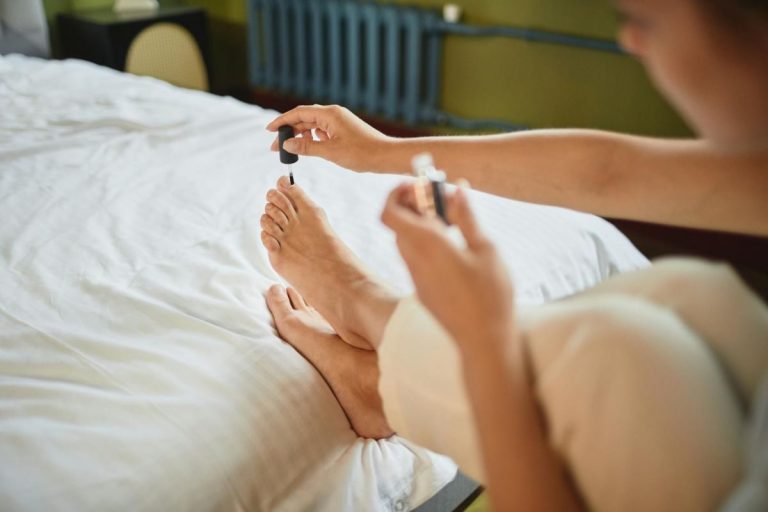
Recognizing Toenail Fungus Symptoms And Treatment Options
Addressing microbial overgrowth beneath the nail plate requires patience and a consistent daily routine. Many individuals seek botanical alternatives to support foot health and maintain clear nails over time. Plant based applications offer a proactive approach to managing persistent discoloration and structural thickening safely.
The nail matrix provides a warm dark environment where unwanted microbes thrive undisturbed. These organisms consume keratin which breaks down the structural integrity of the affected toe over several months. Disrupting this environment requires targeted daily intervention to discourage microbial replication and protect healthy tissue.
The primary indicators of a fungal infection include yellowing thickening and crumbling at the edge of the nail. Understanding toenail fungus symptoms and treatment involves maintaining strict foot hygiene and applying targeted botanical oils daily. Consistent management clears the affected area within six to twelve months as new keratin forms.
Key Takeaways
- Applying a ten percent botanical oil dilution twice daily reduces microbial load over twelve weeks.
- Fingernails require six months for full replacement while toes demand up to eighteen months.
- Keeping feet dry and changing cotton socks twice daily prevents excess moisture accumulation by fifty percent.
I notice my clients achieve clearer nails much faster when they rotate their daily footwear and apply botanical oils immediately after their morning shower.
Common Signs Of Microbial Overgrowth
The earliest indicators often appear as small white or yellow spots beneath the tip of the nail. These spots expand gradually as the organism consumes the keratin protein structure from the inside out. Ignoring these initial color changes allows the organism to penetrate deeper into the protected nail bed.
As the condition progresses the entire nail plate may become thick and structurally distorted. This thickening makes trimming difficult and can cause pain when wearing tight shoes during the workday. You might also notice a foul odor originating from the crumbling debris trapped underneath the hard shell.
In advanced stages the nail may separate entirely from the sensitive skin below. This separation creates a larger gap for water and environmental debris to accumulate daily. Identifying these changes early allows you to intervene before the structural damage becomes severe.
Environmental Factors That Fuel The Condition
Fungal spores remain present in almost all environments but require specific conditions to multiply and thrive. Public showers locker rooms and swimming pool decks serve as common transmission zones for these opportunistic microbes. Walking barefoot in these damp communal areas increases your risk of direct exposure significantly.
Once the spores attach to the skin they look for minor cuts or separations near the cuticle. A weakened barrier allows them to bypass your natural physical defenses and establish a colony. Wearing closed toe shoes traps body heat and sweat providing the exact climate they prefer.
Clinical data from the National Medical Library confirms that warm moist environments encourage dermatophyte reproduction. Managing your daily foot climate constitutes the first line of defense against these microscopic invaders. Proper ventilation and moisture control deny the spores the damp sanctuary they desperately need.
Calculating Botanical Dilution Ratios
Applying pure essential extracts directly to the skin often causes contact dermatitis and mild chemical burns. You must blend active botanical oils with a fatty carrier base to ensure safe topical application. This mathematical formula ensures your mixture remains potent without damaging the surrounding healthy tissue.
The goal involves creating a ten percent active concentration in a thirty milliliter bottle of carrier fluid. Thirty milliliters equals approximately six hundred individual drops of liquid volume. To achieve a ten percent concentration you must calculate ten percent of those six hundred drops.
Multiplying six hundred by zero point one yields sixty drops of your active essential oil. You add sixty drops of melaleuca extract to the bottle and fill the remaining space with fractionated coconut oil. This specific ratio provides sufficient antimicrobial power while protecting the delicate skin around your cuticle.
| Botanical Extract | Primary Active Compound | Typical Dilution Ratio |
|---|---|---|
| Melaleuca Essential Oil | Terpinen 4 ol | Ten to twenty percent |
| Oregano Leaf Extract | Carvacrol | Five to ten percent |
| Clove Bud Extract | Eugenol | Two to five percent |
Managing these issues requires a disciplined routine that addresses both the visible damage and the underlying microbial presence. Proper management relies on applying your diluted botanical oils consistently every single day without fail. Skipping days allows the spores to recover and resume their consumption of your healthy keratin.
You must file the thick nail surface gently once a week to allow the oils to penetrate deeply. A thick fungal nail acts like a dense shield that prevents topical solutions from reaching the active site. This weekly maintenance reduces the physical barrier and accelerates the clearance process.
Research housed at the National Institutes Of Health shows that melaleuca extract performs efficiently against common dermatophytes. To maximize this efficiency you must follow a strict application sequence.
- Surface Filing: Use a disposable emery board to thin the nail plate before applying the liquid.
- Cuticle Coverage: Paint the oil around the edges where the nail meets the skin to reach hidden spores.
- Underneath Application: Place one drop under the free edge of the nail to target the vulnerable nail bed.
Selecting The Right Botanical Extracts
The market offers numerous plant derivatives but only a few possess the specific chemical compounds needed for foot health. Oregano leaf extract contains carvacrol which demonstrates aggressive action against stubborn dermatophytes. This powerful extract requires heavy dilution because it can irritate sensitive skin very quickly.
Clove bud extract provides eugenol which acts as both an antimicrobial agent and a mild local numbing agent. This dual action makes it an excellent choice if your thickened nail causes localized pressure and discomfort. Combining clove with melaleuca creates a broad spectrum botanical blend that targets multiple microbial strains simultaneously.
You must purchase high quality therapeutic grade oils rather than cheap fragrance oils meant for room diffusers. Fragrance oils contain synthetic perfumes that offer zero biological benefits and often cause severe allergic reactions. Always check the label for the exact botanical Latin name to ensure you receive a pure medicinal product.
Nutritional Support For Internal Resilience
External applications only address the visible issues occurring at the furthest extremities of the body. True resilience begins in the digestive tract where the immune system relies on a steady supply of nutrients. Diets heavy in refined sugars provide systemic fuel for fungal overgrowth across your entire body.
Reducing your intake of simple carbohydrates deprives opportunistic yeasts of their preferred energy source. Prioritizing lean proteins and fibrous vegetables supports a strong immune response against peripheral infections. A robust internal defense system prevents the issue from spreading to adjacent healthy toes.
Consuming probiotic foods like fermented cabbage and plain yogurt introduces beneficial bacteria into your digestive system. These good microbes compete for internal resources and help keep opportunistic populations in check. Adding fresh garlic to your meals also provides internal support through a beneficial compound called allicin.
Footwear Hygiene And Moisture Control
The most potent botanical extracts will fail if you continuously reintroduce spores through contaminated footwear. Shoes act as incubators because they absorb perspiration and retain body heat long after you take them off. Managing your footwear rotation constitutes a critical pillar of any foot health strategy.
You must avoid wearing the exact same pair of closed toe shoes two days in a row. Allowing footwear to air out for twenty four hours gives the interior materials time to dry thoroughly. Moisture wicking socks made from wool or synthetic blends pull sweat away from the skin better than standard cotton.
Guidelines from the federal health library emphasize the importance of keeping feet dry to prevent complications. Sanitizing the interior of your shoes with a botanical spray prevents the accumulation of dormant spores. Washing your socks in hot water removes residual skin cells that harbor microscopic elements.
Addressing Cross Contamination In The Home
Fungal spores shed easily from the infected nail and linger on shared surfaces throughout the household. Bathmats shower floors and shared towels serve as common transmission vectors to other family members. Protecting your household requires diligent sanitation protocols in all damp communal areas.
Washing your towels and bathmats in hot water with strong detergents eliminates lingering microscopic threats. You should never share nail clippers emery boards or socks with anyone else under any circumstances. Using a dedicated pair of shower shoes prevents your bare feet from shedding spores onto the bathroom tiles.
Keeping the bathroom well ventilated reduces the ambient humidity that allows spores to survive on hard surfaces. Wiping down the shower floor with a diluted bleach or strong botanical cleanser interrupts the fungal life cycle. These simple preventative measures protect your healthy nails from reinfection during the long recovery process.
Trimming And Filing Best Practices
Cutting infected nails requires specific tools and methods to prevent the issue from spreading into the sensitive nail bed. You must always use heavy duty nippers rather than standard curved clippers when dealing with thickened nails. Standard clippers often crush the brittle nail plate which causes painful splintering and further damage.
You should cut the nail straight across rather than rounding the edges down into the corners of the toe. Rounding the edges encourages the thick nail to grow directly into the surrounding flesh causing painful ingrown nails. Leaving the nail slightly longer than the sensitive skin underneath prevents unnecessary pressure and irritation.
Disinfecting your tools immediately after use ensures you do not transfer spores to your other healthy toes. Soaking the nippers in rubbing alcohol for ten minutes kills any lingering dermatophytes on the metal surface. Storing your clean tools in a dry environment prevents rust and maintains their sharp cutting edge.
Monitoring Your Growth Progress
Tracking your progress prevents frustration during a biological process that moves at a glacial pace. Taking a clear photograph of the affected toe every thirty days provides objective visual evidence of your progress. Relying solely on memory often leads to discouragement because the daily changes remain imperceptible to the naked eye.
You should look for a thin crescent of clear healthy nail emerging from the cuticle base after several weeks. The damaged and discolored portion will slowly advance toward the tip of the toe as the new nail pushes forward. This clear demarcation line indicates that your botanical interventions are successfully holding the microbes back.
If the discoloration begins creeping back down toward the cuticle you must reassess your daily application habits. Skipping applications allows the microbes to regain lost ground very quickly. Maintaining your daily routine remains critical until the damaged section is fully clipped away.
Frequently Asked Questions
Can I apply undiluted essential oils directly to the skin?
Applying strong botanical extracts directly to the skin causes severe irritation and potential chemical burns. You must always blend active extracts with a carrier fluid like olive or coconut oil. This protects the healthy tissue surrounding the nail while delivering the active compounds safely.
How long will the recovery process take?
Nails grow at a very slow rate meaning visible improvements require substantial patience. You will likely wait three to six months to see clear growth emerging from the cuticle base. Full replacement of an infected large toe often takes up to eighteen full months.
Should I remove the damaged portions of the nail?
Filing away the thickened and discolored sections allows your topical solutions to reach the active site. You must sterilize your clippers and disposable files after every single use to prevent cross contamination. Never use the same tools on your healthy nails.
Does soaking in vinegar provide reliable results?
Acetic acid alters the skin environment which creates an inhospitable space for microbial growth. Daily soaks in diluted apple cider vinegar provide excellent supportive care alongside direct topical applications. Limit soaks to twenty minutes to prevent excessive skin drying.
The Bottom Line
Addressing stubborn fungal overgrowth requires daily discipline and a multifaceted approach to foot hygiene. Understanding toenail fungus symptoms and treatment provides a practical path to restoring nail clarity without relying on synthetic oral medications. By combining potent botanical extracts with strict environmental controls you support the slow process of healthy nail regeneration.
These botanical strategies are not suitable for individuals with peripheral neuropathy compromised immune systems or severe circulatory disorders. Consult a licensed healthcare provider before starting any new wellness routine.
Get Your FREE Natural Health Guide!
Subscribe now and receive our exclusive ebook packed with natural health tips, practical wellness advice, and easy lifestyle changes, delivered straight to your inbox.