
The discomfort associated with pelvic bladder issues can be overwhelming, affecting daily life and emotional well-being. Many individuals find themselves grappling with symptoms such as urgency, frequency, and even pain. These symptoms can lead to a cycle of anxiety and frustration, often exacerbated by sleepless nights and stress. Finding effective relief is crucial for restoring balance and comfort in daily routines.
One simple yet powerful solution lies in the soothing ritual of a warm bath. This practice not only offers immediate physical relief but also promotes a sense of tranquility and relaxation. The combination of warmth and water can alleviate tension, calm the nervous system, and create an environment conducive to healing.
Understanding how to maximize the benefits of a warm bath specifically for pelvic bladder comfort is essential. This guide will delve into practical applications, common mistakes to avoid, the science behind the benefits, and lifestyle tips that can enhance the overall experience. By incorporating this ritual into your wellness routine, you can take proactive steps toward soothing discomfort and improving your quality of life.
Embarking on this journey of self-care is about more than just the bath itself. It involves creating an atmosphere that encourages relaxation and healing. Let’s explore how to effectively integrate this warm bath ritual into your routine for real results.


Contents
How to Use Warm Baths for Real Results
- Best Form: Warm water with Epsom salts or herbal infusions
- Best Time: Evening or whenever discomfort arises
- Expected Result: Relaxation, reduced pain, and improved mood
Creating a Calming Atmosphere
Setting the stage for your warm bath is integral to the experience. Begin by gathering your favorite bath essentials like Epsom salts or soothing herbs such as chamomile or lavender. Prepare the bathroom by dimming the lights and lighting candles to create a tranquil ambiance. Soft music or nature sounds can enhance relaxation.
Fill the bathtub with warm water, ensuring the temperature is comfortable but not scalding. Add your chosen ingredients to the water, allowing them to dissolve and infuse the bath with their calming properties. This preparation transforms a simple bath into a sanctuary for healing.
As you enter the water, let the warmth envelop you, easing any physical tension. The soothing aroma of the herbs and the gentle sound of water create a multi-sensory experience that promotes relaxation and comfort.
Pro Tip: Use a bath pillow to support your neck and enhance relaxation throughout the bath.
Step-by-Step Bath Ritual
Once your bath is prepared, it is time to immerse yourself in the experience. Begin by gently lowering yourself into the water, allowing your body to acclimate to the warmth.
Sit comfortably, ensuring that your pelvic area is fully submerged. Close your eyes and take deep breaths, focusing on the sensations of warmth and buoyancy. If you have added Epsom salts, notice how the magnesium can help in muscle relaxation and pain relief.
Stay in the bath for at least 20 minutes, allowing your body to absorb the warmth and the benefits of the chosen ingredients. This time is crucial for letting go of stress and tension, both physically and mentally.
Pro Tip: Consider using a timer to ensure you can fully relax without worrying about the time.
Aftercare and Reflection
Exiting the bath should be a gentle process. Stand slowly and towel yourself off, being mindful of how your body feels.
After your bath, take a moment to sit quietly and reflect on the experience. Notice any changes in how your pelvic area feels. You might experience a tingling sensation or an overall sense of lightness. Hydrate with a glass of water or herbal tea to help flush out any toxins released during the bath.
As you transition back to your daily routine, carry the sense of calm with you. This ritual can serve as a powerful tool for managing discomfort and promoting relaxation in your life.
Pro Tip: Schedule this bath ritual into your weekly routine for consistent benefits.
Common Errors to Avoid
Neglecting Temperature Control
Many individuals overlook the importance of water temperature when preparing a warm bath. Water that is too hot can lead to discomfort or even burns, while water that is too cool may not provide the desired relaxation effects.
To avoid this mistake, always test the water with your wrist before entering. Aim for a temperature around 98 to 100 degrees Fahrenheit, which is warm enough to promote relaxation without causing discomfort.
This attention to detail ensures a safe and effective bathing experience, allowing for maximum benefits without the risk of adverse effects.
Using Unsuitable Ingredients
Selecting the right ingredients for your bath is crucial. Some products may contain artificial fragrances or harsh chemicals that can irritate sensitive skin or exacerbate pelvic discomfort.
Opt for natural ingredients like Epsom salts, baking soda, or essential oils known for their soothing properties. Research each ingredient to ensure it aligns with your wellness goals and skin sensitivities.
This careful selection can enhance the soothing effects of your bath, leading to a more beneficial and enjoyable experience.
Rushing the Process
In our fast-paced lives, it can be tempting to rush through self-care rituals. However, a warm bath requires time to be effective. Shortening the duration can limit the relaxation benefits and reduce the overall impact on your pelvic health.
Make it a priority to dedicate at least 20 minutes for your bath. Allow yourself to fully engage in the experience without distractions. This commitment to self-care is essential for achieving the desired results.
The Science Behind Soothing Baths
The biological mechanisms involved in the soothing effects of warm baths are multifaceted. Warm water promotes vasodilation, which increases blood flow and encourages muscle relaxation. This physiological response can significantly alleviate tension in the pelvic area, providing immediate relief from discomfort.
Key compounds found in Epsom salts, particularly magnesium, play a pivotal role in muscle relaxation and pain relief. Magnesium is known to inhibit the transmission of pain signals, making it a valuable addition to your bath routine.
For further insight into the clinical benefits of warm baths and magnesium, refer to this research on Epsom salts and pelvic pain.
Choosing the Right Product
- Potency: Ensure the product contains the appropriate concentration of active ingredients. This matters because higher potency can lead to more noticeable effects.
- Purity: Look for products that are free from artificial additives and fillers. Pure ingredients can enhance the overall effectiveness and reduce the risk of irritation.
- Form: Choose between salts, oils, or herbal blends based on your personal preferences. The right form can influence how you experience the benefits during your bath.
Benefits and Risks
| The Benefits | Potential Downsides |
|---|---|
| Promotes relaxation and stress relief. | Too hot water can lead to burns or dizziness. |
| Improves blood circulation and muscle relaxation. | Overuse may lead to dehydration. |
| Can enhance mood and emotional well-being. | Some ingredients may irritate sensitive skin. |
Habits to Enhance Your Bath Experience
Incorporating mindfulness practices can enhance the benefits of your warm bath ritual. Consider meditating or practicing deep breathing while soaking. This combination can deepen relaxation and improve focus on alleviating discomfort.
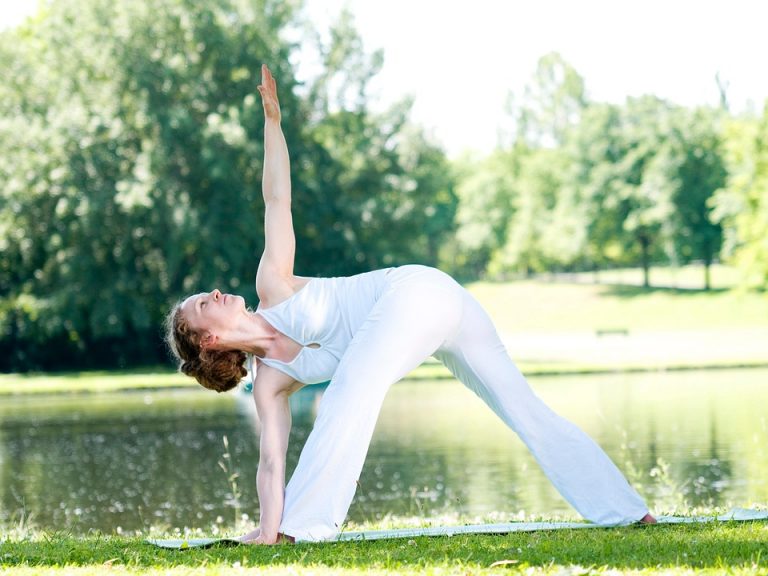
Regular physical activity is another beneficial habit. Engaging in gentle exercises such as yoga or stretching can complement the benefits of your bath, promoting overall pelvic health and enhancing relaxation.
Who Should Avoid This?
– Individuals with skin conditions such as eczema or psoriasis.
– Those with cardiovascular issues or heat sensitivity.
– Pregnant women should consult a healthcare provider before using hot baths.
– Anyone with recent surgeries or wounds in the pelvic area.
Common Questions
How often can I take warm baths for pelvic relief?
Aim for at least once a week, or more frequently if experiencing discomfort.
Can I add essential oils to my bath?
Yes, but ensure they are diluted properly and suitable for your skin type.
What temperature is safe for a warm bath?
Maintain a temperature between 98 to 100 degrees Fahrenheit for comfort and safety.
Are there any risks associated with warm baths?
Potential risks include burns from hot water and dehydration from prolonged exposure.
Final Thoughts
Incorporating a warm bath ritual into your wellness routine can significantly enhance your pelvic comfort and overall well-being.
- The Truth: While warm baths can provide relief, they are not a substitute for medical treatment when needed.
- The Strategy: The best time to use this ritual is in the evening to promote relaxation before bedtime.
- The Next Step: Consider integrating mindfulness practices to deepen your relaxation experience.
Get Your FREE Natural Health Guide!
Subscribe now and receive our exclusive ebook packed with natural health tips, practical wellness advice, and easy lifestyle changes, delivered straight to your inbox.