
Contents
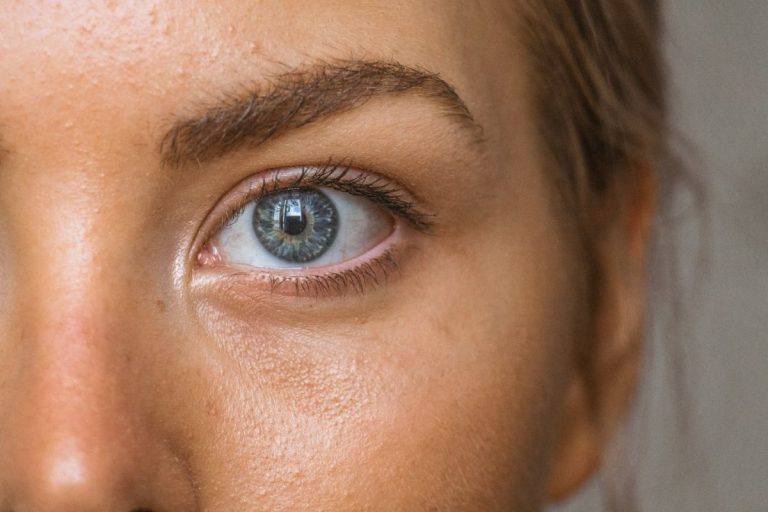
As the day progresses, your eyes might feel strained and fatigued. Factors like prolonged screen time, allergies, and lack of sleep can lead to redness and discomfort. This issue is not only bothersome but can also affect productivity and overall well-being. When faced with such discomfort, finding a natural solution that soothes and refreshes can be invaluable.
Among various remedies, rose water stands out as a gentle yet effective option. Known for its anti-inflammatory properties, rose water has been used for centuries in traditional medicine and beauty routines. Harnessing its soothing effects can offer a quick relief from redness and irritation, making it a go-to solution for many.
The unique composition of rose water includes antioxidants, which help combat oxidative stress. This characteristic allows it to not only soothe irritated eyes but also refresh and rejuvenate tired skin. Integrating rose water into your routine can be a simple and effective way to enhance your eye care regimen.
Understanding how to properly utilize rose water for eye relief can elevate your self-care practices. With the right approach, you can experience the calming and restorative benefits it provides, leading to a more comfortable and vibrant daily life.
How to Use Rose Water for Real Results
- Best Form: Pure rose water
- Best Time: Morning and evening
- Expected Result: Reduced redness and refreshed feel
For Daily Protection
The Prep: Begin with pure rose water, preferably organic. Have a clean cotton pad and a small bowl ready. Ensure your hands are washed to maintain hygiene.
The Action: Soak the cotton pad in rose water. Gently place it over your closed eyelids. Allow it to sit for about 10 to 15 minutes. The cooling sensation will start to relieve any tension around your eyes.
The Feeling: As the rose water takes effect, a soothing yet refreshing feeling envelops your eyes. The coolness can last for a few minutes, providing immediate relief from redness.
Pro Tip: Store rose water in the refrigerator for an extra cooling effect.
Targeting Acute Irritation
The Prep: Gather fresh chamomile tea bags, pure rose water, and a clean bowl. Brew the tea and let it cool before combining it with the rose water.
The Action: Mix equal parts of cooled chamomile tea and rose water in the bowl. Soak a cotton pad in the mixture and gently apply it to your eyes. Hold it there for 15 to 20 minutes to allow the properties to work together effectively.
The Feeling: You may experience a gentle tingling sensation, coupled with a cooling effect as the mixture soothes irritation. This method can significantly reduce redness and discomfort.
Pro Tip: Chamomile enhances the calming effects of rose water.
The Nighttime Routine
The Prep: Prepare a small spray bottle filled with pure rose water. Ensure it is clean and suitable for cosmetic use.
The Action: Before bedtime, close your eyes and lightly mist the rose water over your face, focusing on the eye area. Allow it to air dry naturally to maximize its benefits.
The Feeling: As the mist settles, a soft and calming sensation envelops your skin. The hydrating properties of rose water will keep your skin refreshed throughout the night.
Pro Tip: This routine can double as a refreshing toner for your entire face.
Avoiding Common Mistakes
Using Low Quality Rose Water
Many people overlook the importance of quality when selecting rose water. Low-quality products may contain artificial fragrances or preservatives that can irritate the eyes. These additives negate the soothing benefits and can even exacerbate redness.
Choosing high-quality, pure rose water ensures that you reap the full benefits of its natural properties. Look for products labeled as organic and free from synthetic ingredients. This small investment can make a significant difference in your eye care routine.
Neglecting Skin Sensitivity
Not all skin types react the same way to rose water. Some individuals may have sensitivities that cause irritation. Failing to perform a patch test before use can lead to unexpected reactions.
Always test a small amount on your wrist before applying it near your eyes. If any redness or irritation occurs, discontinue use immediately. This precaution helps you enjoy the benefits of rose water without adverse effects.
Overusing the Product
While rose water is gentle, excessive application can lead to unwanted side effects. Overuse may strip natural oils from your skin, leading to dryness and irritation.
Stick to the recommended usage frequency to maintain a balanced skin condition. Incorporating rose water into your routine a few times a week is usually sufficient for maintaining healthy, soothed eyes.
The Science Behind the Soothing Effects
The biological mechanism of rose water involves its anti-inflammatory and antioxidant properties. These characteristics allow it to reduce irritation and redness effectively. When applied to the skin, rose water can calm the blood vessels, leading to a noticeable reduction in redness around the eyes.
The key compound responsible for these effects is phenyl ethanol. This natural component possesses anti-inflammatory properties, making it effective for soothing irritated skin. Its ability to combat oxidative stress also contributes to maintaining healthy skin around the eyes.
Clinical evidence supports the use of rose water in skincare. Research has shown that rose water can significantly improve skin conditions, including irritation and redness. For more detailed insights, you can explore studies on this topic here: PubMed Search.
Choosing the Right Product
- Potency: A higher concentration of rose water ensures that you receive maximum benefits. Look for products that specify their concentration levels.
- Purity: Pure rose water free from additives guarantees a soothing experience. Always check the ingredient list for any potential irritants.
- Form: Rose water can come in various forms, including sprays and bottles. Select the one that best fits your application preferences.
Benefits vs Risks
| The Benefits | Potential Downsides |
|---|---|
| Natural anti-inflammatory properties. | Possible irritation in sensitive individuals. |
| Rich in antioxidants. | Low-quality products may contain harmful additives. |
| Hydrates and refreshes the skin. | Overuse can lead to dryness. |
Habits for Enhanced Eye Care
Maintaining a balanced diet rich in vitamins A, C, and E supports eye health. Incorporating foods like leafy greens, carrots, and nuts can improve overall eye function and reduce redness.
Adequate hydration is essential for keeping the skin around your eyes supple. Aim to drink at least eight glasses of water daily to maintain optimal hydration levels.
Who Should Avoid This?
– Individuals with known allergies to roses or related plants.
– People with severe eye conditions or infections.
– Those who are currently using prescribed eye medications without consulting a healthcare professional.
Common Questions
Can I use rose water every day?
Yes, but limit it to a few times a week to prevent potential irritation.
Is rose water safe for sensitive skin?
Generally, yes, but always perform a patch test first.
Can rose water replace my eye drops?
No, rose water can provide relief but should not replace prescribed medications.
How should I store rose water?
Keep it in a cool, dark place and refrigerate after opening for maximum freshness.
Final Thoughts
Incorporating rose water into your eye care routine can lead to noticeable improvements in comfort and appearance.
- The Truth: Results may vary based on individual sensitivity.
- The Strategy: Use it consistently, especially during dry or allergy seasons.
- The Next Step: Pair it with a balanced diet for optimal results.
Get Your FREE Natural Health Guide!
Subscribe now and receive our exclusive ebook packed with natural health tips, practical wellness advice, and easy lifestyle changes, delivered straight to your inbox.