
The harsh reality of sunburn can leave anyone feeling uncomfortable and frustrated. Skin that has been overexposed to UV rays can become red, swollen, and painful. This common condition often leads to a search for immediate relief. The quest for soothing solutions can be overwhelming, with various products promising miraculous results. Amidst this sea of options, one natural remedy stands out for its proven efficacy: aloe vera.
Aloe vera has been cherished for centuries for its healing properties. This succulent plant contains a wealth of nutrients that work synergistically to promote skin recovery. The cooling sensation it provides can be an instant relief from the sting of sunburn. Understanding how to effectively harness this plant’s potential can significantly enhance your sunburn recovery experience.
The approach to using aloe vera for sunburn relief is not just about applying the gel. It involves understanding the best practices for preparation, application, and aftercare. This guide aims to provide detailed insights into how to use aloe vera effectively. By following the outlined protocols, you can maximize its soothing effects on your skin.
As you explore this guide, you will not only learn practical applications but also the science behind aloe vera’s healing powers. From common mistakes to avoid to the best products to choose, this comprehensive resource will empower you to make informed decisions in your quest for sunburn relief.
Contents
How to Use Aloe Vera for Real Results
- Best Form: Fresh aloe vera gel
- Best Time: Immediately after sun exposure
- Expected Result: Reduced pain and inflammation
For Daily Protection
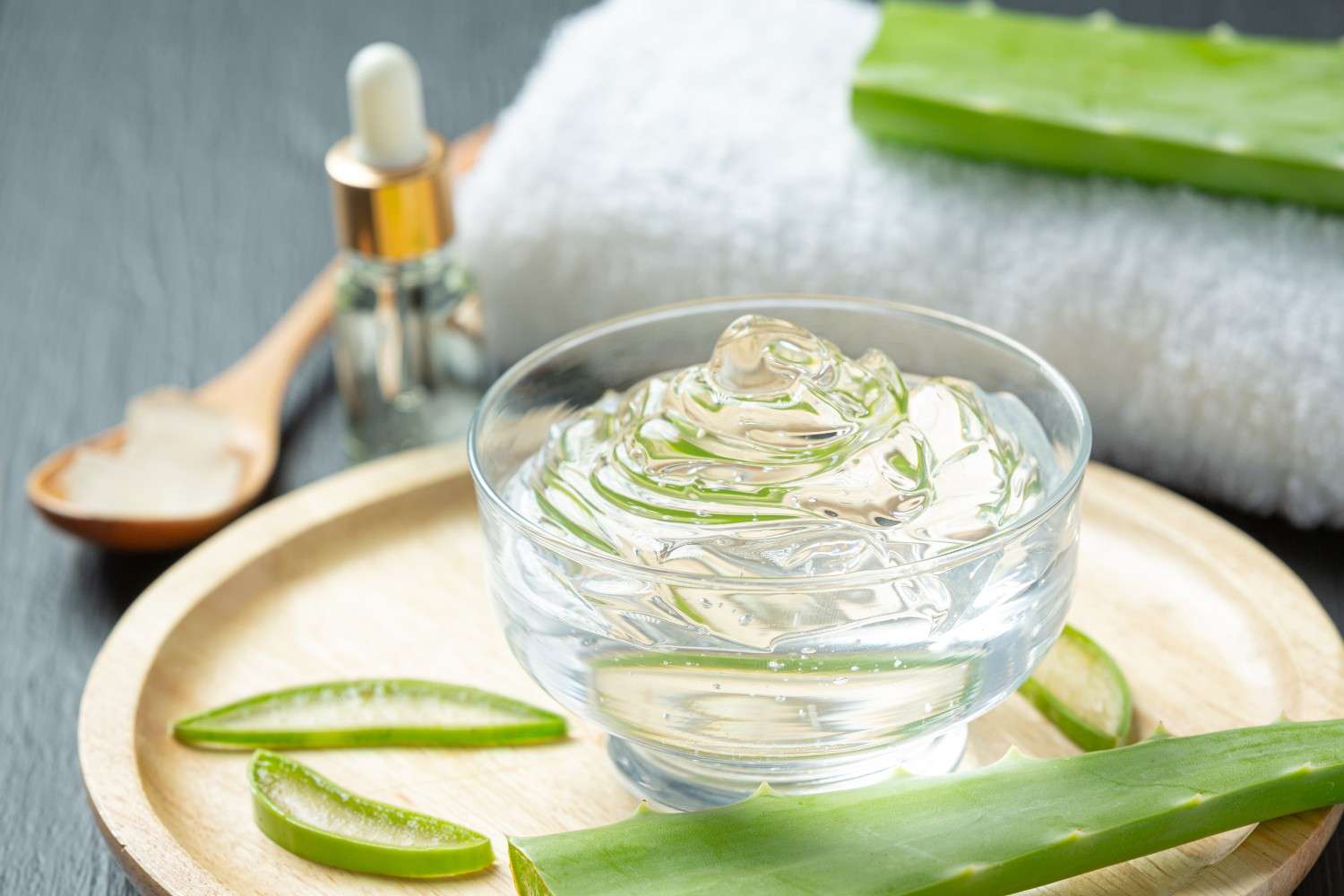
The first step in utilizing aloe vera for sunburn relief is to prepare your skin for daily exposure. Fresh aloe vera gel is ideal. Cut a leaf from an aloe vera plant and scoop out the gel using a spoon. Ensure the leaf is healthy and free from damage.
Apply the fresh gel generously to any areas exposed to the sun. Gently massage the gel into your skin, allowing it to absorb fully. This not only provides immediate cooling relief but also creates a protective barrier against UV rays.
You will feel a soothing, cool sensation upon application. This refreshing feeling can last for several hours, making it an excellent choice for daily sun protection.
Pro Tip: Store your aloe vera gel in the refrigerator for an extra cooling effect when applied.
Targeting Acute Pain
When sunburn occurs, immediate treatment is crucial. Start with fresh aloe vera gel or a high-quality store-bought product that contains a high percentage of aloe. If using a store product, verify that it is free of alcohol and artificial fragrances.
Apply the gel directly to the affected areas. Use a generous amount and avoid rubbing it in too vigorously. Instead, gently pat the gel onto your skin. This method minimizes irritation and allows the gel to penetrate effectively.
You will experience a cooling relief as the gel interacts with your inflamed skin. This sensation can last for hours, providing much-needed comfort while your skin begins to heal.
Pro Tip: Reapply the aloe vera gel every few hours for sustained relief, especially if you are spending time outdoors.
The Nighttime Routine
After a long day in the sun, a soothing nighttime routine can help your skin recover. Begin by cleansing your skin with a gentle, fragrance-free cleanser to remove any impurities. Pat your skin dry with a soft towel.
Once your skin is clean, apply a generous layer of fresh aloe vera gel or a quality gel product. Focus on areas that feel particularly sensitive or painful. Massaging the gel into your skin can enhance absorption and promote relaxation.
You will feel an immediate cooling effect, which can help you unwind after a day of sun exposure. This calming sensation can also aid in improving your sleep quality as your skin begins its healing process overnight.
Pro Tip: Consider adding a few drops of lavender essential oil to your aloe vera gel for added soothing benefits and a calming aroma.
Common Errors to Avoid
Using Low Quality Aloe Products
Many people make the mistake of opting for low-quality aloe products that contain minimal aloe content. These products often include fillers or artificial ingredients that can irritate the skin instead of providing relief. To avoid this, always check the ingredient list.
Choosing a product with at least 90% pure aloe vera ensures you receive the maximum healing benefits. Look for brands that emphasize their commitment to quality and natural ingredients.
Investing in high-quality aloe products can significantly impact your skin’s recovery. The right product will not only soothe pain but also promote healing more effectively.
Applying Too Much Pressure
Another common error is applying aloe vera gel too vigorously. Many individuals believe that massaging the gel deeply into the skin will enhance its effects. However, this can worsen irritation and inflammation.
Instead of applying pressure, gently pat the gel onto your skin. This allows for a soothing effect without further aggravating the burn.
Being gentle with your skin is crucial during recovery. Treating it with care will promote healing and ensure a more comfortable experience overall.
Ignoring Other Skin Care Practices
Focusing solely on aloe vera while neglecting other skin care practices is a frequent mistake. While aloe vera is highly effective, maintaining hydration and protecting your skin is equally important.
Drinking plenty of water hydrates your skin from the inside out. Additionally, using a gentle moisturizer after applying aloe can help lock in moisture and prevent peeling.
Combining aloe vera with a comprehensive skin care routine maximizes the healing process. This holistic approach ensures your skin gets the nourishment it needs to recover fully.
The Science of Aloe Vera’s Healing Properties
Aloe vera’s healing powers stem from its complex biological mechanisms. When applied to sunburned skin, it acts as an anti-inflammatory agent. This reduces redness and swelling, promoting faster healing. The gel also contains compounds that stimulate collagen production, essential for skin repair.
Key compounds in aloe vera, such as aloin and acemannan, contribute to its soothing effects. Aloin possesses analgesic properties, which help alleviate pain. Acemannan, on the other hand, has been shown to enhance the skin’s ability to heal and regenerate.
For further clinical evidence on the efficacy of aloe vera in treating skin conditions, you can explore research studies available at PubMed. These studies provide insights into how aloe vera can effectively reduce inflammation and promote healing in sunburned skin.
Choosing the Right Product
– **Potency:** Higher potency means more active ingredients, which can enhance the healing process. Products with a higher concentration of aloe may deliver quicker results.
– **Purity:** Look for products labeled as 100% pure aloe vera. This ensures that you are using a product without unnecessary additives that may irritate the skin.
– **Form:** Aloe vera is available in various forms, including gels, creams, and sprays. Each form has its benefits, so choose one that best suits your application preference and skin sensitivity.
Evaluating the Pros and Cons
| The Benefits | Potential Downsides |
|---|---|
| Natural remedy with minimal side effects | Some individuals may experience allergic reactions |
| Provides instant cooling relief | Effectiveness can vary by product quality |
| Promotes faster skin healing | May not be sufficient for severe burns |
Complementary Lifestyle Habits
Incorporating healthy lifestyle choices can enhance the benefits of aloe vera for sunburn recovery. Staying hydrated is crucial. Drinking plenty of water helps maintain skin elasticity and promotes healing.
Additionally, wearing protective clothing and seeking shade during peak sun hours can prevent further damage. These habits not only support recovery but also contribute to long-term skin health.
Who Should Avoid This?
– Individuals with known allergies to aloe vera or related plants.
– Those with open wounds or severe sunburns should consult a healthcare professional before use.
– People taking certain medications that may interact with aloe vera should seek medical advice.
Common Questions
How often should I apply aloe vera for sunburn?
Applying aloe vera every few hours is recommended for optimal relief and healing.
Can I use aloe vera on broken skin?
It is best to avoid applying aloe vera on broken skin or deep burns without consulting a healthcare provider.
Does aloe vera prevent sunburn?
While aloe vera can help soothe sunburn, it should not be used as a primary prevention method. Always use sunscreen for protection.
Is it safe to use aloe vera on children?
Aloe vera is generally safe for children, but it is advisable to perform a patch test first.
The Bottom Line
Aloe vera is a powerful ally in the battle against sunburn.
- The Truth: Aloe vera may not be a cure-all for severe sunburn.
- The Strategy: Use it immediately after sun exposure for the best results.
- The Next Step: Maintain hydration and practice sun safety habits.
Get Your FREE Natural Health Guide!
Subscribe now and receive our exclusive ebook packed with natural health tips, practical wellness advice, and easy lifestyle changes, delivered straight to your inbox.