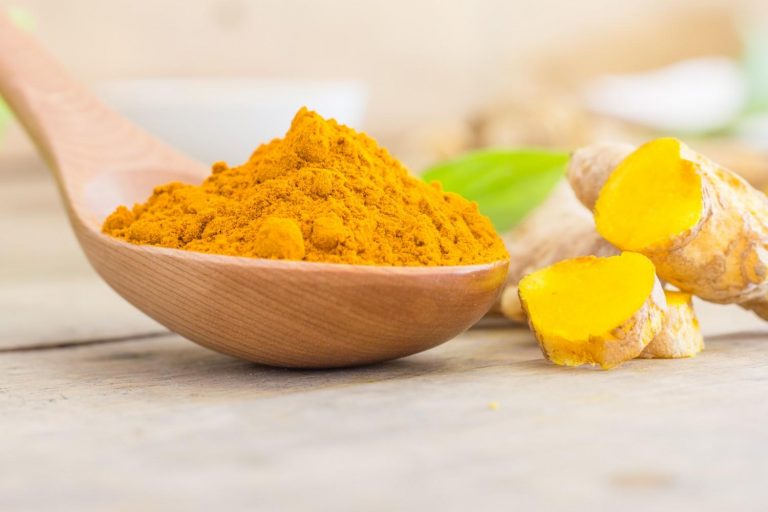

Have you ever woken up with a nagging discomfort in your mouth, only to discover that your gums are swollen and tender? It can be a frustrating and painful experience, one that many of us have faced at one point or another. As someone who has navigated the sometimes murky waters of oral health, I can attest that finding the right remedies can feel like an uphill battle. But what if I told you that a simple, natural solution might be sitting in your kitchen? Ginger tea, with its anti-inflammatory properties, has emerged as a potential ally in soothing swollen gums.
Contents
- The Power of Ginger: A Brief Overview
- How Ginger Tea Works for Swollen Gums
- Making Ginger Tea: A Step-by-Step Guide
- Cultural Context: Ginger in Traditional Medicine
- Counterpoints: When Ginger Tea Might Not Be Enough
- FAQs About Ginger Tea and Swollen Gums
- Reflecting on the Journey: A Holistic Perspective
- References
The Power of Ginger: A Brief Overview
Ginger has a long history as a traditional remedy for various ailments. From ancient Ayurvedic practices to Chinese medicine, ginger has been utilized for its anti-inflammatory and antioxidant benefits. But what exactly does this mean for your swollen gums?
The Science Behind Ginger
Ginger contains bioactive compounds like gingerol and shogaol, which have been shown to reduce inflammation. A study published in the Journal of Ethnopharmacology highlights its efficacy in managing inflammatory conditions, which can extend to oral health (1). With a growing body of research supporting its benefits, ginger tea may be more than just a comforting beverage; it could be a natural remedy worth exploring.
Real-Life Impact: A Personal Anecdote
I remember a particularly challenging week when I felt a sharp pain while brushing my teeth. After a visit to the dentist, I learned that my gums were inflamed, likely due to poor oral hygiene and stress. Unsure of what to do next, I turned to ginger tea, a staple in my home. To my surprise, the soothing warmth of the tea combined with its spicy kick seemed to alleviate the discomfort. While it wasn’t a cure-all, it certainly provided some relief during a tough time.
How Ginger Tea Works for Swollen Gums
Anti-Inflammatory Effects
When your gums are swollen, the underlying issue is often inflammation. Ginger’s anti-inflammatory properties can help reduce this swelling. A study from the American Journal of Clinical Nutrition found that ginger can significantly lower inflammatory markers in the body (2). Drinking ginger tea could help soothe the irritation in your gums, promoting healing.
Antimicrobial Properties
Ginger also possesses antimicrobial properties, which can help combat the bacteria responsible for gum disease. A study published in Phytotherapy Research highlighted that ginger extracts can inhibit the growth of certain bacteria, potentially reducing the risk of infections that contribute to swollen gums (3).
Making Ginger Tea: A Step-by-Step Guide
Creating ginger tea is a straightforward process, and you can easily incorporate it into your daily routine.
Ingredients You’ll Need
- Fresh ginger root (about 1-2 inches)
- 2 cups of water
- Honey (optional, for sweetness)
- Lemon (optional, for flavor)
Steps to Prepare Ginger Tea
-
Peel and Slice the Ginger: Start by peeling the ginger root and slicing it into thin pieces. This increases the surface area and allows for better extraction of its beneficial compounds.
-
Boil the Water: In a pot, bring two cups of water to a boil.
-
Add Ginger: Once the water is boiling, add the sliced ginger. Reduce the heat and let it simmer for about 10-15 minutes. The longer you let it steep, the stronger the flavor—and the benefits.
-
Strain and Serve: After simmering, strain the tea into your favorite mug. If desired, add honey for sweetness and a squeeze of lemon for a refreshing twist.
-
Enjoy: Sip your ginger tea slowly, allowing the warmth to soothe your gums and your spirit.
Common Mistakes to Avoid
- Using Dried Ginger: While dried ginger can be useful, fresh ginger provides the most potent benefits.
- Overboiling: Boiling ginger for too long can lead to a bitter taste. Aim for a balance of flavor and potency.
- Ignoring Other Remedies: Ginger tea can complement your oral hygiene routine, but it should not replace regular brushing, flossing, or dental check-ups.
Cultural Context: Ginger in Traditional Medicine
Ginger has been revered in various cultures for its health benefits. In Ayurvedic medicine, it’s often used to balance bodily energies and improve digestion. Similarly, Traditional Chinese Medicine (TCM) uses ginger to warm the body and alleviate cold symptoms. This historical context adds depth to our understanding of ginger’s role in health, particularly in relation to oral care.
Counterpoints: When Ginger Tea Might Not Be Enough
While ginger tea can provide relief for swollen gums, it’s essential to understand that it’s not a cure-all. There are several factors to consider:
Underlying Conditions
If your swollen gums are a result of periodontal disease or other serious dental issues, ginger tea alone may not suffice. It’s crucial to consult a dentist for a comprehensive treatment plan.
Allergies and Sensitivities
Some individuals may experience allergic reactions to ginger. If you notice any adverse effects, discontinue use immediately and consult a healthcare professional.
Temporary Relief
Ginger tea can soothe discomfort, but it may not address the root cause of gum inflammation. It’s vital to maintain a robust oral hygiene routine and seek professional advice when necessary.
FAQs About Ginger Tea and Swollen Gums
-
How often can I drink ginger tea for swollen gums?
You can enjoy ginger tea 1-2 times a day, but be mindful of the total amount of ginger you consume, especially if you’re not used to it. -
Can I add other ingredients to my ginger tea?
Absolutely! Ingredients like turmeric, mint, or cinnamon can enhance flavor and add additional health benefits. -
Is ginger tea safe for everyone?
While generally safe, those with certain medical conditions or allergies should consult a healthcare provider before adding ginger to their diet. -
What are some signs that I need to see a dentist?
If your swollen gums persist for more than a week, if there’s bleeding, or if you experience severe pain, it’s time to consult a dental professional. -
Can ginger tea replace my oral hygiene routine?
No, ginger tea should be used as a complementary remedy, not a replacement for regular brushing and flossing.
Reflecting on the Journey: A Holistic Perspective
Exploring the benefits of ginger tea for swollen gums has opened my eyes to the fascinating intersection of traditional remedies and modern science. While it’s easy to overlook natural solutions in favor of quick fixes, the power of ginger serves as a reminder of the wisdom embedded in our culinary history.
As we continue to seek ways to enhance our health, it’s crucial to remain curious and open-minded. Integrating ginger tea into your routine may not only provide relief for swollen gums but also encourage a more holistic approach to oral and overall health.
This article is for educational purposes only and does not replace professional medical guidance. Always speak with a qualified healthcare provider before making changes to your health routine.
References
- “Anti-inflammatory and analgesic activities of ginger: A review.” Journal of Ethnopharmacology. Link
- “Ginger consumption and its effects on inflammation: A clinical perspective.” American Journal of Clinical Nutrition. Link
- “Antimicrobial effects of ginger extract against dental pathogens.” Phytotherapy Research. Link
As you explore the potential of ginger tea for swollen gums, consider how this age-old remedy fits into your personal health journey. The quest for wellness is often filled with discoveries that can enrich our lives, one soothing cup at a time.
Get Your FREE Natural Health Guide!
Subscribe now and receive our exclusive ebook packed with natural health tips, practical wellness advice, and easy lifestyle changes, delivered straight to your inbox.