Natural Remedies For Itchy Flaky Scalp And Omega 3 Fatty Acids
I often sit at my desk reviewing the complex relationship between systemic internal health and the visible condition of our skin. Many of us find that when our internal environment lacks specific essential nutrients, the exterior shows clear signs of struggle through irritation or dryness. Integrating natural remedies for itchy flaky scalp and omega 3 fatty acids remains a primary point of discussion for those seeking balance from within.
The scalp serves as an extension of the skin on our face and body, requiring consistent hydration to maintain its barrier integrity. When we introduce healthy fats through food or targeted supplementation, we provide the building blocks necessary for skin cell repair. This approach focuses on calm, nourished hair roots rather than relying on harsh external topical applications alone.
Natural remedies for itchy flaky scalp and omega 3 intake focus on reducing systemic irritation while boosting the structural health of skin cells. By prioritizing high quality fats and gentle scalp maintenance, individuals often see a reduction in visible flakes and lingering discomfort. Consistent dietary adjustments work alongside mild topical routines to support long term skin stability.
Key Takeaways
- Omega 3 fatty acids play a structural role in the lipid layer of the skin, which typically comprises up to 20 percent of the stratum corneum.
- Research from the National Institutes of Health suggests that consistent intake of essential fats helps modulate inflammatory markers within the body.
- Individuals struggling with chronic scalp dryness often report better comfort levels when daily intake of polyunsaturated fats reaches approximately 1,000 to 2,000 milligrams.
Defining The Role Of Essential Fats
Our skin relies on a delicate balance of moisture to prevent irritation. When this barrier weakens, the scalp becomes susceptible to environmental stressors. Essential fats act as the mortar between our skin cells, keeping them plump and resilient.
Without enough of these fats, the skin surface loses water more quickly. This process often leads to that familiar tight or irritated feeling many of us know. Incorporating fatty fish, walnuts, or flaxseeds provides the baseline support your scalp needs to function at its best.
Topical Approaches And Natural Scalp Care
While nutrition addresses the root, topical care manages the immediate sensation of itch. You can use gentle botanical oils to soothe the surface without clogging pores. Natural options offer a reprieve from the heavy synthetic additives found in standard hair care.
Jojoba Oil works closely with our natural sebum to provide instant hydration to dry patches. Tea Tree Oil contains properties that assist in maintaining a clean scalp environment when diluted with a carrier oil. Aloe Vera Gel provides a cooling sensation that calms redness on contact.
Nutritional Comparison Of Fatty Acid Sources
| Source Type | Primary Fat Form | Typical Serving Size |
| Wild Salmon | EPA and DHA | Three Ounces |
| Flax Seeds | Alpha Linolenic Acid | One Tablespoon |
| Walnuts | Alpha Linolenic Acid | One Ounce |
Structural Support Through Dietary Choices
Building a diet that favors moisture retention requires consistency. Focus on incorporating cold water fish at least twice a week to maintain adequate levels of circulating fats. If you prefer plant-based sources, increase your intake of chia and hemp seeds to hit your daily targets.
Research published by the National Center for Biotechnology Information demonstrates that certain fatty acids may assist in lowering skin sensitivity. Keep a simple log of your food intake to see if your scalp condition improves over a four week period. Small, incremental changes in your pantry often yield the most stable results for your skin.
Calculating Your Daily Intake Needs
To determine if you are getting enough support, consider the total amount of EPA and DHA in your weekly routine. Most experts suggest a minimum intake of 250 to 500 milligrams of combined omega 3 fatty acids daily for general wellness. If you currently experience dryness, you might track your intake to ensure you hit the higher end of that range.
Calculate your daily total by adding the fats from whole foods and any high quality supplements you currently use. Aim for a ratio that emphasizes these fats over inflammatory seed oils found in processed snacks. Consistent tracking helps you visualize where your current nutrition lacks sufficient healthy fat content.
Environmental Factors Affecting Scalp Health
The climate inside your home has a significant impact on your skin. Forced air heating often strips moisture from the air, which directly affects your scalp. Using a humidifier during winter months helps prevent the air from stealing moisture from your hair and skin.
Avoid washing your hair with water that feels too hot. High temperatures strip the natural oils that protect your scalp barrier. Use lukewarm water to rinse, as this maintains the integrity of your protective lipid layer while still cleaning the hair effectively.
The Impact Of Stress On Skin Stability
Mental tension often manifests physically through increased skin sensitivity. When our systems stay in a high state of alert, our inflammatory responses may shift into overdrive. This can make a mild case of scalp dryness feel much worse than it is.
Evidence from the National Library of Medicine highlights the connection between mental strain and skin barrier function. Prioritizing rest and gentle movement helps regulate these responses over time. Consider how your schedule influences your body’s ability to repair and maintain healthy skin cells.
Frequently Asked Questions
Can I use fish oil directly on my scalp?
Applying fish oil directly to your hair or skin is generally not recommended due to the strong odor and the potential for residue buildup. While the fats are helpful internally, topical application does not provide the same benefits as consuming them through a balanced diet.
Focus on internal supplementation for the best results regarding skin hydration. If you seek a topical benefit, botanical oils like jojoba or argan are more effective and pleasant for daily use.
How long until I see results from dietary changes?
Skin cells undergo a natural renewal cycle that takes approximately four to six weeks. You should give your body at least this amount of time to show improvements in scalp hydration after changing your diet.
Consistency is more important than massive immediate shifts in your intake. Monitor how your skin feels at the end of each week and note any changes in irritation levels or visible flaking.
Are there certain foods that cause scalp irritation?
Many individuals find that highly processed foods with excessive sugar or unstable vegetable oils exacerbate skin sensitivity. These items often trigger internal reactions that disrupt the natural balance of your skin barrier.
Try removing these items for a short period to observe the impact on your scalp. Replacing them with whole, nutrient dense foods typically supports a calmer and more hydrated complexion.
Do I need a special supplement for scalp health?
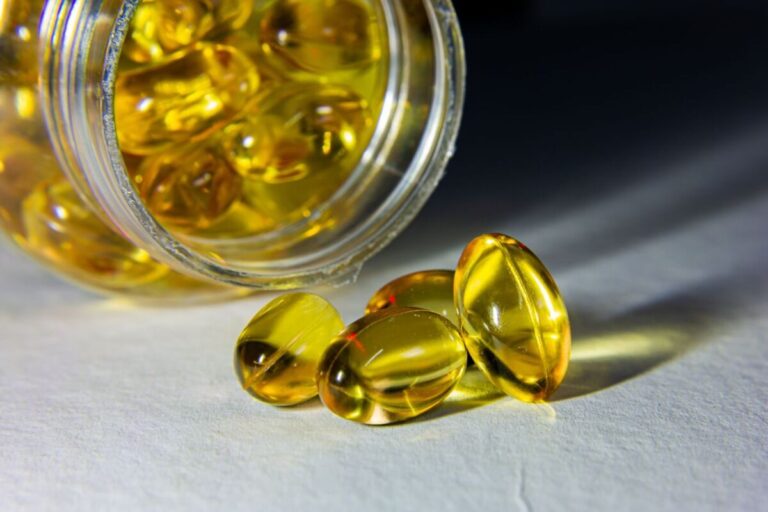
No specific supplement is required, but a high quality omega 3 source can be a helpful addition if you struggle to eat enough fatty fish. Choose a product that lists clear amounts of EPA and DHA on the label.
Check the source of the supplement to ensure it meets quality standards. Always start with whole food sources like walnuts or salmon before adding extra capsules to your routine.
Is scalp flaking always a sign of dryness?
Not every instance of flaking relates to simple dryness, as some conditions stem from other factors like yeast or scalp buildup. If you notice persistent issues that do not respond to basic hydration, look for other physical signs like redness or distinct patches.
Distinguishing between simple dry skin and other concerns is important for choosing the right approach. Observe whether your routine of hydration and gentle care makes a difference within a few weeks of consistent practice.
The Bottom Line
Managing scalp health requires a focus on internal nourishment and gentle daily habits. By prioritizing healthy fats and protecting your skin barrier from harsh conditions, you create a foundation for long term comfort. Using natural remedies for itchy flaky scalp and omega 3 fatty acids effectively addresses both systemic and local needs.
Consistency with your dietary choices and scalp care routine remains the best way to support your skin. Assess your weekly intake of essential fats and adjust your environment to reduce dryness. Consult a licensed healthcare provider before starting any new wellness routine.
Get Your FREE Natural Health Guide!
Subscribe now and receive our exclusive ebook packed with natural health tips, practical wellness advice, and easy lifestyle changes, delivered straight to your inbox.