
The modern lifestyle often leads to constant energy fluctuations, leaving many individuals grappling with the dreaded sugar crash. This phenomenon typically occurs after consuming high-sugar snacks, resulting in feelings of fatigue, irritability, and cravings for more sugar. Understanding the root causes of these crashes can empower individuals to make smarter snacking choices that not only stabilize energy levels but also enhance metabolic function.

Smart snacking can be a game-changer, acting as a bridge between meals to maintain energy levels and prevent those mid-afternoon slumps. By choosing the right foods, individuals can nourish their bodies while avoiding the pitfalls of excessive sugar intake. This guide aims to provide practical strategies that will help you make informed snacking decisions, ensuring you maintain steady energy levels throughout the day.
The focus will be on nutrient-dense snacks that are not only delicious but also designed to support your metabolism. Understanding the interplay between food choices, energy levels, and metabolic health is crucial for anyone looking to optimize their wellness. The following sections will delve into actionable tips, common pitfalls, and the underlying science that supports these strategies.
By incorporating these smart snacking tips into your daily routine, you can enhance your overall well-being, boost your metabolism, and keep those sugar crashes at bay. Let’s explore how you can take control of your snacking habits for real results.
Contents
How to Use Smart Snacking for Real Results
- Best Form: Whole foods and balanced snacks
- Best Time: Between meals or before workouts
- Expected Result: Sustained energy and enhanced metabolism
For Daily Energy Support
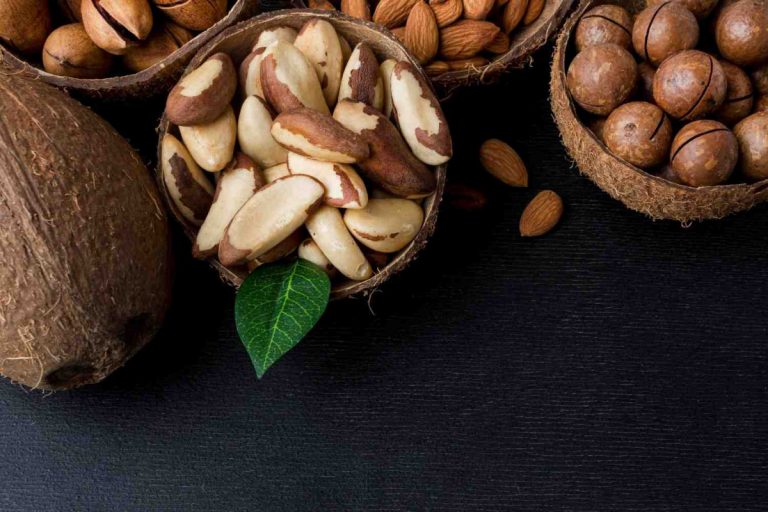
The Prep: Start with a combination of nuts and seeds, such as almonds and pumpkin seeds. These provide healthy fats and protein. Add a piece of fruit like an apple or a banana for natural sweetness and fiber. Prepare a small bowl or container to keep these snacks handy throughout the day.
The Action: Mix a handful of nuts and seeds with a sliced apple or banana. This combination provides a balance of carbohydrates, fats, and proteins. Aim to consume this snack mid-morning or mid-afternoon. This timing helps bridge the gap between meals and keeps your energy levels stable.
The Feeling: Expect a satisfying crunch from the nuts and seeds paired with the crispness of the apple. This snack will leave you feeling full without the heaviness that comes from processed foods. The energy boost should last for a few hours, allowing you to focus on your tasks without distraction.
Pro Tip: Keep a portion of this snack in your bag for on-the-go energy.
Pre-Workout Fuel
The Prep: Choose a combination of Greek yogurt and berries. Greek yogurt is rich in protein, while berries provide antioxidants and natural sugars. Gather a small bowl or container for easy transport.
The Action: Mix a serving of Greek yogurt with a handful of fresh or frozen berries. This snack can be consumed about 30 minutes before your workout. The protein and carbohydrates will provide a sustained energy release, enhancing your performance.
The Feeling: You will likely experience a refreshing and creamy texture from the yogurt, complemented by the tartness of the berries. This snack will energize you without feeling heavy, setting the stage for an effective workout session.
Pro Tip: Opt for plain Greek yogurt to avoid added sugars.
Evening Snack for Relaxation
The Prep: Prepare a small bowl of cottage cheese mixed with a tablespoon of natural nut butter and a sprinkle of cinnamon. This combination provides protein, healthy fats, and a touch of sweetness. Use a bowl that is easy to mix in.
The Action: Combine the cottage cheese and nut butter in the bowl, then sprinkle cinnamon on top. This snack can be enjoyed about an hour before bed. The protein helps with muscle recovery while the fats promote satiety.
The Feeling: The creaminess of the cottage cheese paired with the smoothness of the nut butter creates a comforting sensation. You will feel satisfied and relaxed, making it easier to wind down for the night.
Pro Tip: Experiment with different nut butters to find your favorite flavor combination.
Avoiding Common Snacking Errors
Choosing Processed Snacks
Many individuals often reach for processed snacks when hunger strikes. These snacks are typically high in sugar, unhealthy fats, and artificial ingredients. Choosing processed options can lead to rapid spikes in blood sugar followed by crashes. Instead, opt for whole food alternatives that provide sustained energy without the harmful additives.
The solution lies in preparing snacks ahead of time. Having nutrient-dense options readily available can prevent impulsive choices. Whole foods like fruits, vegetables, nuts, and seeds are excellent alternatives that nourish the body and keep energy levels stable.
Ignoring Portion Sizes
Overindulging in seemingly healthy snacks can still lead to excess calorie intake. Many people underestimate the quantity of nuts or dried fruits they consume, which can lead to unintended weight gain. It is essential to practice portion control even with healthier options.
Using small containers or bags can help regulate portion sizes. Being mindful of how much you are eating can keep calorie intake in check while still enjoying your snacks. Measuring out portions can also help you recognize what a healthy serving looks like.
Skipping Protein
Many snack choices lack protein, which is crucial for maintaining energy levels and promoting satiety. Relying solely on carbohydrates can lead to quick energy spikes followed by crashes. Protein helps stabilize blood sugar levels and keeps you feeling full longer.
Incorporate protein-rich snacks such as Greek yogurt, cottage cheese, or a handful of nuts. Pairing these with carbohydrates like fruits or whole grains will ensure a balanced snack that supports sustained energy and metabolism throughout the day.
The Biological Basis of Smart Snacking
Understanding the biological mechanisms behind energy regulation is vital. When we consume carbohydrates, they are broken down into glucose, which serves as the primary energy source for our cells. However, high-sugar snacks can cause rapid spikes in glucose levels, followed by significant drops that lead to fatigue and cravings.
Key compounds in whole foods, such as fiber and protein, play a crucial role in regulating blood sugar levels. Fiber slows down the absorption of glucose, preventing rapid spikes. Protein, on the other hand, contributes to satiety and helps maintain energy levels over time.
Clinical studies have demonstrated the effectiveness of balanced snacking in managing blood sugar levels and preventing energy crashes. For further reading on the impact of nutrition on energy regulation, refer to research available on PubMed at this link.
Selecting the Right Snacks
- Potency: Look for snacks that contain a high concentration of nutrients. Foods rich in vitamins and minerals support overall health and energy levels.
- Purity: Choose snacks free from artificial ingredients and added sugars. Whole food options are less likely to contain harmful additives.
- Form: Opt for snacks that are easy to prepare and consume. Convenience can encourage healthier choices during busy moments.
Evaluating the Trade-offs
| The Benefits | Potential Downsides |
|---|---|
| Increased energy levels throughout the day | Initial investment in time for meal prep |
| Improved metabolism and weight management | Requires a shift in mindset and habits |
| Enhanced satiety leading to fewer cravings | May need to experiment to find preferred snacks |
Integrating Healthy Habits
Incorporating physical activity into your daily routine can significantly enhance the benefits of smart snacking. Regular exercise boosts metabolism and improves energy utilization, making it easier to maintain stable blood sugar levels. Aim for a mix of cardiovascular and strength-training exercises to optimize results.
Staying hydrated is another essential habit. Dehydration can lead to fatigue and cravings, often mistaken for hunger. Drinking sufficient water throughout the day supports overall health and can help reduce unnecessary snacking.
Who Should Avoid This?
– Individuals with diabetes should monitor their carbohydrate intake closely.
– Those with specific food allergies must be cautious about snack ingredients.
– People with digestive disorders may need to avoid certain high-fiber snacks.
Common Questions
What are the best snacks for sustained energy?
Snacks rich in protein and fiber, such as Greek yogurt with fruits or nuts, provide sustained energy without causing sugar spikes.
How often should I snack?
Aim to snack every 3 to 4 hours between meals to maintain energy levels and prevent hunger.
Can I snack at night?
Yes, but opt for lighter snacks that are low in sugar and high in protein to avoid disrupting sleep.
Are there snacks I should avoid?
Avoid snacks high in added sugars and unhealthy fats, as they can lead to energy crashes and cravings.
The Wrap-Up
Making informed choices about snacking can significantly improve your energy levels and metabolic health.
- The Truth: Not all snacks are created equal; processed options can lead to energy crashes.
- The Strategy: Choose whole foods that provide a balance of protein, fats, and carbohydrates.
- The Next Step: Prepare snacks in advance to ensure you have healthy options readily available.
Get Your FREE Natural Health Guide!
Subscribe now and receive our exclusive ebook packed with natural health tips, practical wellness advice, and easy lifestyle changes, delivered straight to your inbox.