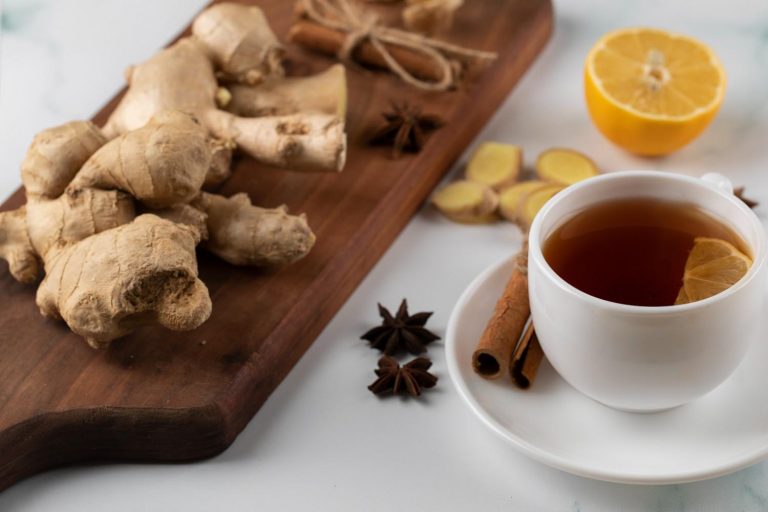

When I first stumbled upon the idea of combining coffee, turmeric, and cinnamon, it felt like a culinary experiment gone rogue. Could these three ingredients, each with its own storied health benefits, really come together to create not just a tasty beverage but also a wellness elixir? As someone who has spent years researching natural health remedies, I felt compelled to explore this intriguing blend.

In this article, we’ll delve into the individual benefits of coffee, turmeric, and cinnamon, explore how they can work together synergistically, and provide practical tips for incorporating this trio into your daily routine. Whether you’re a coffee aficionado or someone seeking holistic wellness, you might find that sipping your way to health is not only possible but also delightful.
Contents
The Health Benefits of Coffee
Coffee is often celebrated for its role as a morning pick-me-up, but its benefits extend far beyond mere caffeine. Recent studies highlight its potential health advantages, including:
Antioxidant Powerhouse
Coffee is rich in antioxidants, which help combat oxidative stress and inflammation. According to a study published in the Journal of Agricultural and Food Chemistry, coffee is one of the largest sources of antioxidants in the Western diet, even surpassing fruits and vegetables.
Cognitive Enhancer
Research from the American Journal of Clinical Nutrition suggests that moderate coffee consumption may reduce the risk of cognitive decline. The caffeine in coffee can enhance brain function, improve mood, and boost overall mental performance.
Metabolism Booster
Caffeine can increase metabolic rate and fat oxidation. A study from the International Journal of Obesity found that caffeine consumption can enhance fat burning, making it a popular choice for those looking to manage their weight.
Caveats to Consider
However, coffee isn’t for everyone. Some individuals may experience anxiety, insomnia, or digestive issues due to caffeine. It’s essential to listen to your body and adjust your intake as needed. Personally, I found that a moderate approach works best for me—too much coffee can lead to jitters that overshadow its benefits.
The Golden Spice: Turmeric
Turmeric has gained popularity as a superfood, particularly due to its active compound, curcumin. This bright yellow spice has been used in traditional medicine for centuries, especially in Ayurvedic practices.
Anti-Inflammatory Properties
Curcumin is renowned for its anti-inflammatory effects. A meta-analysis published in the Journal of Medicinal Food found that curcumin can significantly reduce markers of inflammation in the body. For those dealing with chronic pain or inflammatory conditions, this could be a game-changer.
Antioxidant Effects
Like coffee, turmeric is also a powerful antioxidant. It helps neutralize free radicals and may protect against chronic diseases like heart disease and cancer. The National Institutes of Health (NIH) highlights studies showing that curcumin can enhance the body’s antioxidant defenses.
Brain Health
Emerging research suggests that curcumin can increase levels of brain-derived neurotrophic factor (BDNF), a protein linked to improved brain function. This is particularly interesting for those concerned about age-related cognitive decline.
Potential Downsides
Despite its many benefits, turmeric can cause digestive upset in some individuals. I’ve personally experienced mild stomach discomfort when consuming large amounts. It’s often recommended to combine turmeric with black pepper to enhance curcumin absorption, but moderation is key.
The Sweet and Spicy Touch: Cinnamon
Cinnamon is more than just a flavorful spice; it boasts numerous health benefits that can complement coffee and turmeric beautifully.
Blood Sugar Regulation
Cinnamon has been shown to lower blood sugar levels and improve insulin sensitivity. A study in Diabetes Care found that cinnamon supplementation could reduce fasting blood glucose levels in people with type 2 diabetes.
Heart Health
Research indicates that cinnamon may reduce cholesterol levels and lower blood pressure, making it a heart-friendly spice. The American Heart Association has noted that including cinnamon in your diet could contribute to overall cardiovascular health.
Antimicrobial Properties
Cinnamon has natural antimicrobial properties, which can help combat infections. A study published in the Journal of Food Science highlighted cinnamon’s effectiveness against various strains of bacteria and fungi.
Cautionary Notes
While cinnamon is generally safe in moderate amounts, excessive consumption can lead to toxicity due to coumarin, particularly in cassia cinnamon. As a rule of thumb, I opt for Ceylon cinnamon, which contains lower coumarin levels.
The Synergy of Coffee, Turmeric, and Cinnamon
Combining coffee, turmeric, and cinnamon creates a delightful beverage that harnesses the benefits of all three ingredients. The flavor profile is rich and complex, with the earthiness of turmeric beautifully balancing the sweetness of cinnamon and the boldness of coffee.
A Recipe for Wellness
To make a simple coffee, turmeric, and cinnamon drink, follow these steps:
Ingredients:
- 1 cup brewed coffee (preferably organic)
- 1/2 teaspoon ground turmeric
- 1/2 teaspoon ground cinnamon
- 1 tablespoon honey or maple syrup (optional)
- A pinch of black pepper (to enhance turmeric absorption)
- Milk or a milk alternative (optional)
Instructions:
- Brew your favorite coffee.
- In a separate cup, mix the turmeric, cinnamon, and black pepper.
- Add a small amount of hot water to create a paste.
- Pour the brewed coffee into the cup and stir well.
- Add honey or maple syrup, if desired, and milk or milk alternative for creaminess.
- Enjoy warm!
Real-Life Applications
In my own experience, I found that starting my day with this drink not only provides a caffeine boost but also sets a positive tone for my health choices. It’s become a morning ritual that I look forward to, and I often share it with friends who are curious about incorporating more wellness-focused beverages into their routines.
Cultural Context: Coffee, Turmeric, and Cinnamon
The combination of these ingredients isn’t just a modern trend; it has deep-rooted cultural significance.
Coffee in Culture
Coffee has a rich history, originating in Ethiopia and spreading across the globe. In many cultures, coffee is more than a beverage; it’s a social experience. From Italian espresso to Turkish coffee ceremonies, the ritual of coffee drinking fosters connection and community.
Turmeric in Tradition
Turmeric has been a staple in Indian cuisine and Ayurvedic medicine for centuries. Its use in religious ceremonies and traditional dishes underscores its importance in cultural practices. The golden spice symbolizes health and prosperity.
Cinnamon’s Historical Significance
Cinnamon has been valued since ancient times, used not only as a spice but also as a currency in trade. Its exotic aroma and flavor have made it a sought-after ingredient in various cuisines around the world.
Practical Tips for Incorporating This Trio
-
Start Slow: If you’re new to turmeric, begin with small amounts to gauge your body’s response. I often start with a pinch and gradually increase it as I become accustomed to the flavor.
-
Experiment with Ratios: Everyone’s palate is different. Adjust the amounts of turmeric and cinnamon to find your perfect balance.
-
Explore Variations: Try adding other spices like ginger or nutmeg for a unique twist. Each spice brings its own set of health benefits.
-
Make It a Ritual: Incorporate this drink into your daily routine. Whether it’s a morning boost or an afternoon pick-me-up, making it a habit can enhance your wellness journey.
-
Stay Informed: Keep up with current research on these ingredients. The health landscape is always evolving, and new studies may provide fresh insights.
FAQs
1. Can I drink this blend every day?
Yes, many people enjoy this combination daily. However, listen to your body and adjust based on how you feel.
2. Is there a specific type of coffee I should use?
Opt for organic coffee when possible to minimize exposure to pesticides and chemicals.
3. Can I use fresh turmeric instead of ground?
Absolutely! Fresh turmeric can be more potent, but it may require more preparation in terms of peeling and grating.
4. What if I don’t like coffee?
You can substitute coffee with a warm plant-based milk or herbal tea for a caffeine-free version.
5. Can I store this blend?
While it’s best enjoyed fresh, you can prepare a larger batch and store it in the fridge for a day or two. Just give it a good stir before serving.
Conclusion
Sipping your way to wellness with coffee, turmeric, and cinnamon is not just a delightful experience; it’s a journey into the realms of health and flavor. Each ingredient brings its own unique properties to the table, creating a blend that can enhance your well-being.
As you explore this combination, remember to approach it with curiosity and openness. The road to wellness is often winding, filled with discoveries and personal insights. While the evidence supporting these ingredients is promising, individual experiences can vary. So, take your time, experiment, and enjoy the process of nourishing your body and spirit.
Disclaimer: This article is for educational purposes only and does not replace professional medical guidance. Always speak with a qualified healthcare provider before making changes to your health routine.
References
- Journal of Agricultural and Food Chemistry – Antioxidant Properties of Coffee
- Journal of Medicinal Food – Curcumin and Inflammation
- National Institutes of Health – Turmeric Benefits
- Diabetes Care – Cinnamon and Blood Sugar
- American Heart Association – Cinnamon and Heart Health
Get Your FREE Natural Health Guide!
Subscribe now and receive our exclusive ebook packed with natural health tips, practical wellness advice, and easy lifestyle changes, delivered straight to your inbox.