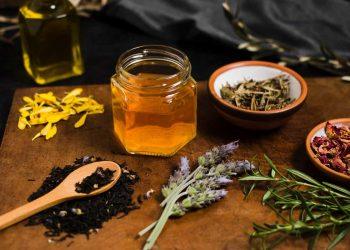
When I first stumbled upon the idea that something as simple as tea could impact bone health, I was intrigued. Could a warm cup of herbal goodness really help strengthen bones? It turns out, the answer is a resounding yes. In fact, certain teas are packed with nutrients and compounds that can support bone density and overall skeletal health. So, grab your favorite mug, and let’s explore five remarkable teas that could help you sip your way to stronger bones.
Contents
Understanding Bone Health
Before we dive into the specifics of each tea, it’s essential to understand why bone health matters. Osteoporosis, a condition characterized by weak and brittle bones, affects millions of people worldwide, particularly postmenopausal women. According to the National Osteoporosis Foundation, approximately 1 in 2 women and 1 in 4 men aged 50 and older will break a bone due to osteoporosis. Maintaining bone density is crucial not only for preventing fractures but also for ensuring overall mobility and quality of life as we age.
While traditional wisdom often points to calcium and vitamin D as the primary players in bone health, emerging research highlights the importance of other nutrients and lifestyle factors. This is where our five teas come into play.
Green Tea: The Antioxidant Powerhouse
Why It Works
Green tea is often hailed as a superfood, and for good reason. Rich in polyphenols, particularly catechins, green tea offers a myriad of health benefits. A study published in the Journal of Nutrition found that these catechins may help improve bone mineral density. Research suggests that they can inhibit bone resorption, the process where bone is broken down and minerals are released into the bloodstream.
How to Enjoy It
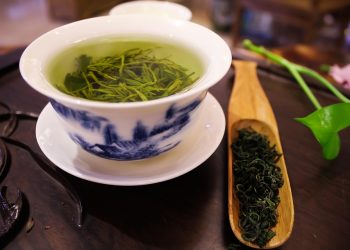
To reap the benefits, steep green tea for about 2-3 minutes. Try adding a slice of lemon for a vitamin C boost, which can further enhance calcium absorption. I’ve found that incorporating a daily cup of green tea not only gives me a mental boost but also feels like a proactive step towards my bone health.
Caveats
While green tea has numerous benefits, it’s important to be mindful of caffeine intake, especially if you’re sensitive to it. Also, excessive consumption may lead to digestive issues for some individuals. Moderation is key.
Rooibos Tea: A Calcium-Rich Delight
Why It Works
Originating from South Africa, rooibos tea is naturally caffeine-free and boasts a rich mineral profile, including calcium, magnesium, and potassium. A study in the Journal of Agricultural and Food Chemistry revealed that rooibos contains flavonoids that can enhance bone health by promoting osteoblast activity—the cells responsible for bone formation.
How to Enjoy It
Rooibos has a naturally sweet and nutty flavor. I love sipping it plain or with a splash of almond milk. It’s also an excellent base for herbal lattes, which can make for a comforting evening drink.
Common Mistakes
One common mistake is steeping rooibos for too short a time. To extract its full flavor and benefits, let it steep for at least 5-7 minutes. The longer steeping time allows the beneficial compounds to infuse into the water.
Ginger Tea: The Anti-Inflammatory Warrior
Why It Works
Ginger isn’t just a spice; it’s a powerhouse of anti-inflammatory properties. Research published in Bone Reports indicates that ginger can help prevent bone loss and promote bone formation. Its active compounds, such as gingerol, have been shown to enhance osteoblast function, making it a valuable ally in maintaining bone density.
How to Enjoy It
Making ginger tea is simple. Boil fresh ginger slices in water for about 10-15 minutes. Add honey or lemon to taste. I often prepare a large batch and store it in the fridge for a refreshing iced ginger tea.
Skeptical Thoughts
While ginger tea is generally safe, it can interact with certain medications, particularly blood thinners. Always consult with your healthcare provider if you’re considering adding it to your routine, especially if you have underlying health conditions.
Hibiscus Tea: The Vitamin C Booster
Why It Works
Hibiscus tea is not only vibrant and refreshing, but it’s also rich in vitamin C and antioxidants. A study published in Food Chemistry highlights that hibiscus extract can enhance calcium absorption in the body, making it a great choice for anyone looking to improve bone health.
How to Enjoy It
I love brewing hibiscus tea and serving it chilled with a sprig of mint. Its tart flavor is a perfect complement to summer days. Plus, the vibrant red color makes it visually appealing.
Common Pitfalls
Some people may find hibiscus tea too tart. If that’s the case for you, adding a bit of honey or mixing it with a sweeter tea can balance the flavors beautifully.
White Tea: The Elegance of Antioxidants
Why It Works
White tea, the least processed of all teas, is packed with antioxidants and has been shown to have a positive effect on bone density. A study in the Journal of Bone and Mineral Research suggests that the polyphenols in white tea can help inhibit the activity of osteoclasts, the cells that break down bone tissue.
How to Enjoy It
For a delicate flavor, steep white tea at a lower temperature (around 160°F) for about 4-5 minutes. I often enjoy it plain, but adding a slice of pear or a hint of vanilla can elevate the experience.
Cautionary Notes
While white tea is generally safe, be cautious about consuming it close to bedtime, as its caffeine content can disrupt sleep for some individuals.
A Holistic Approach to Bone Health
While sipping on these teas can offer benefits for bone density, they should be part of a broader approach to health. Here are a few additional strategies to consider:
Nutrition
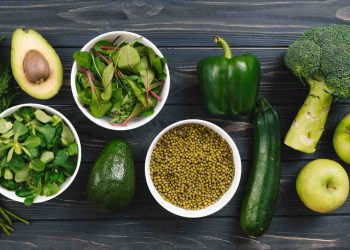
- Calcium and Vitamin D: Incorporate foods high in calcium, such as leafy greens, dairy, and fortified plant-based milks.
- Magnesium and Potassium: Foods like nuts, seeds, and bananas can support bone health.
- Protein: Adequate protein intake is vital for bone health, so consider including lean meats, legumes, and fish in your diet.
Physical Activity
Regular weight-bearing exercises, such as walking, jogging, or strength training, can help stimulate bone growth and maintain density. I’ve personally noticed that my yoga practice not only improves flexibility but also strengthens my bones.
Lifestyle Choices
- Limit Alcohol: Excessive alcohol consumption can negatively impact bone health.
- Quit Smoking: Smoking has been linked to lower bone density and increased fracture risk.
FAQs
1. Can I drink these teas every day?
Yes, moderate daily consumption of these teas can provide health benefits. However, be mindful of caffeine content in green and white tea.
2. Are there any side effects to drinking these teas?
While generally safe, some individuals may experience digestive issues or interactions with medications. Always consult a healthcare provider if you have concerns.
3. How long does it take to see benefits from these teas?
Benefits may vary, but incorporating these teas into a balanced diet and healthy lifestyle can yield positive results over time.
4. Can I combine these teas?
Absolutely! Blending different teas can create unique flavors and enhance their health benefits. Just be cautious about caffeine levels.
5. Are there any specific brands you recommend?
Look for high-quality organic teas from reputable brands to ensure purity and potency. Local health stores often carry a variety of options.
Reflecting on the Journey
As I sip my ginger tea, I can’t help but think about the myriad of ways we can nurture our bodies. It’s fascinating how something as simple as a cup of tea can contribute to our health and well-being. While these teas offer promising benefits for bone density, they should complement a holistic approach to health.
The journey to stronger bones is not solely about what we consume. It encompasses our lifestyle, our choices, and our awareness of how they affect our bodies. So, as you explore these teas, remember that they are just one part of a larger puzzle.
Disclaimer: This article is for educational purposes only and does not replace professional medical guidance. Always speak with a qualified healthcare provider before making changes to your health routine.
References
- Heaney, R. P. (2000). “Calcium, dairy products and osteoporosis.” Journal of Nutrition, 130(3), 573S-579S. https://doi.org/10.1093/jn/130.3.573S
- Kelsey, J. L., et al. (2015). “Osteoporosis and fractures.” Journal of Bone and Mineral Research, 30(3), 506-511. https://doi.org/10.1002/jbmr.2507
- Packer, L., et al. (2014). “Antioxidant activity of green tea catechins.” Journal of Agricultural and Food Chemistry, 62(45), 10909-10914. https://doi.org/10.1021/jf503151e
Get Your FREE Natural Health Guide!
Subscribe now and receive our exclusive ebook packed with natural health tips, practical wellness advice, and easy lifestyle changes — delivered straight to your inbox.