
Contents
The burden of joint discomfort can hinder daily activities, leaving individuals searching for effective solutions. Many people experience inflammation or stiffness that significantly impacts their mobility. Traditional pain relief methods often come with side effects that deter long-term use. Fortunately, natural alternatives are gaining popularity, particularly matcha lattes, known for their rich antioxidant content and potential anti-inflammatory properties.
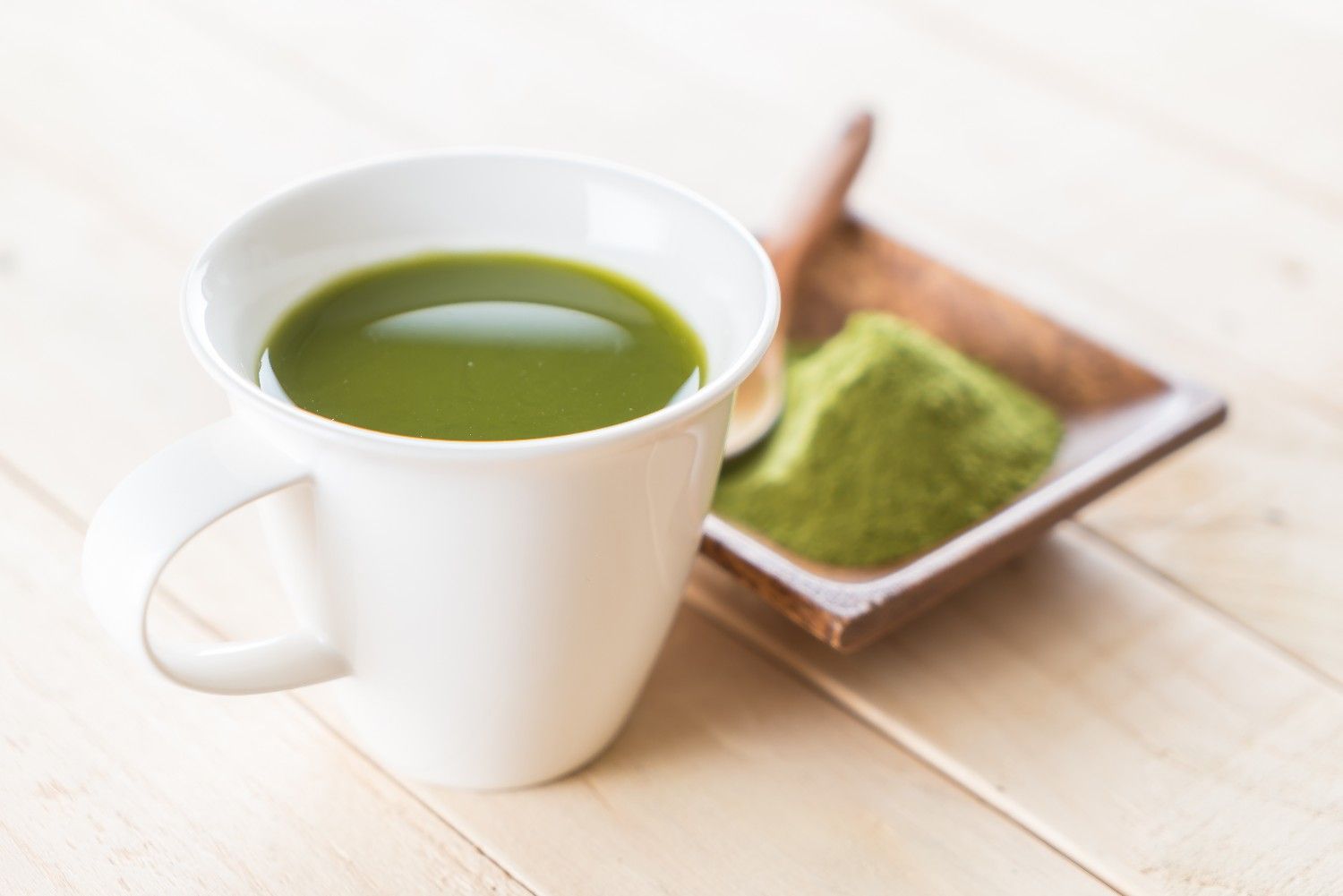
Matcha, a finely ground powder made from specially grown green tea leaves, is packed with catechins, a type of antioxidant that can help combat oxidative stress. This stress is often a contributing factor to joint pain and inflammation. Incorporating matcha into a daily routine can not only enhance overall wellness but also specifically target joint health. The creamy, frothy texture of a matcha latte makes it a delightful way to include this powerful ingredient in your diet.
The health benefits of matcha extend beyond joint support. It can also boost energy levels, enhance focus, and improve mood. By pairing matcha with milk or a dairy alternative, you create a satisfying beverage that nourishes the body while being easy to prepare. This guide will delve into how to effectively use matcha lattes for joint health and provide actionable steps for integrating this superfood into your lifestyle.
Understanding the practical applications of matcha lattes can empower you to take control of your joint health. This guide will break down the best practices, common mistakes to avoid, the science behind the benefits, and tips for selecting the right product. Embrace this holistic approach and sip your way to improved joint function and overall well-being.
How to Use Matcha Lattes for Real Results
- Best Form: Powdered matcha.
- Best Time: Morning or early afternoon.
- Expected Result: Enhanced joint mobility and reduced inflammation.
For Daily Protection
The Prep: Start with high-quality ceremonial grade matcha, which is vibrant green and finely milled. Gather your ingredients: one teaspoon of matcha powder, one cup of hot water (not boiling), and your choice of milk or a milk alternative. You may also add a sweetener like honey or maple syrup according to your taste.
The Action: In a bowl, sift the matcha powder to avoid clumps. Add a small amount of hot water and whisk vigorously using a bamboo whisk or a frother until you achieve a smooth paste. Gradually add the remaining water while continuing to whisk. Pour the mixture into a cup and top it with steamed milk for a creamy texture. Sweeten to taste and enjoy.
The Feeling: As you sip your matcha latte, you may experience a warm, soothing sensation. The creaminess of the milk complements the earthy flavor of matcha. Expect a gradual increase in energy and alertness, lasting for several hours. The antioxidants begin working to combat inflammation, promoting a sense of well-being.
Pro Tip: Experiment with different milk alternatives like oat or almond milk for varied flavors and textures.
Targeting Acute Pain
The Prep: For this version, you will need two teaspoons of matcha powder, a cup of hot water, and a sprinkle of turmeric. Turmeric contains curcumin, known for its anti-inflammatory properties, making it a powerful addition for joint discomfort.
The Action: Sift the matcha powder and turmeric into a bowl. Whisk in a small amount of hot water to create a paste. Gradually add more water while whisking until fully combined. Pour into a cup and top with your preferred milk. Stir well and enjoy.
The Feeling: This blend offers a robust flavor with a hint of warmth from the turmeric. You may feel a slight tingling sensation in your joints as the anti-inflammatory compounds begin to work. Expect a calming effect that can help alleviate discomfort within an hour.
Pro Tip: Adding a pinch of black pepper can enhance the absorption of curcumin from turmeric.
The Nighttime Routine
The Prep: For a calming nighttime matcha latte, gather one teaspoon of matcha powder, one cup of warm milk, and a pinch of cinnamon. Cinnamon is known for its anti-inflammatory benefits and can help improve sleep quality.
The Action: Whisk the matcha powder into a small amount of warm milk until fully combined. Slowly add the rest of the milk while whisking to create a frothy texture. Sprinkle cinnamon on top for added flavor and benefits.
The Feeling: This warm beverage will provide a comforting sensation as you sip. The matcha’s calming effects combined with the warmth of the milk can help you unwind. Expect a sense of relaxation that prepares your body for restful sleep, while the antioxidants continue to support joint health.
Pro Tip: Consider adding a drop of vanilla extract for an extra layer of flavor.
Common Errors to Avoid
Using Low-Quality Matcha
Many people opt for inexpensive matcha, not realizing that quality matters significantly. Low-grade matcha can be bitter and lacks the potent antioxidants found in premium varieties. This can lead to a less effective drink, failing to deliver the desired joint health benefits.
Investing in high-quality, ceremonial grade matcha ensures you receive maximum nutrients. Look for vibrant green color and a fine texture. This investment pays off in flavor and health benefits.
Neglecting Proper Preparation
The way matcha is prepared can greatly affect its efficacy. Failing to whisk it properly can result in clumps, leading to an uneven distribution of nutrients. This not only hampers the taste but also diminishes the health benefits you seek.
Always sift the matcha before whisking and use a bamboo whisk or frother for best results. This ensures a smooth, evenly mixed drink that maximizes antioxidant absorption.
Overlooking Additional Ingredients
Some people enjoy matcha lattes in their basic form, missing out on the added benefits of other ingredients. Ingredients like turmeric, ginger, or cinnamon can enhance the anti-inflammatory properties of matcha, making it even more beneficial for joint health.
Experiment with different combinations to find what works best for you. Adding complementary ingredients can amplify the health benefits and make your drink more enjoyable.
The Mechanism Behind Matcha’s Benefits
The biological mechanism of matcha’s effectiveness lies in its high concentration of catechins. These powerful antioxidants help neutralize free radicals, reducing oxidative stress that contributes to inflammation and joint pain. By protecting cells from damage, catechins support overall joint health and mobility.
Key compounds in matcha, particularly epigallocatechin gallate (EGCG), have been shown to have potent anti-inflammatory effects. EGCG can inhibit the production of inflammatory markers, providing relief from discomfort associated with joint issues. This makes matcha a valuable addition to your wellness routine.
Clinical evidence supports the benefits of matcha and its active compounds. Studies indicate that regular consumption of green tea, particularly matcha, can lead to reduced markers of inflammation and improved joint function. For more detailed research, visit PubMed for comprehensive studies on this topic.
Choosing the Right Product
– **Potency:** Look for matcha with higher levels of catechins. This ensures you receive a more concentrated dose of antioxidants, which is crucial for joint health.
– **Purity:** Select products that are organic and free from additives. Pure matcha guarantees you are consuming the highest quality without harmful chemicals.
– **Form:** Opt for powdered matcha rather than tea bags. Powdered matcha provides a more potent and effective way to reap the benefits as you consume the whole leaf.
Benefits vs Risks
| The Benefits | Potential Downsides |
|---|---|
| Rich in antioxidants that combat oxidative stress. | Excessive caffeine can lead to jitteriness or insomnia. |
| May improve joint health and reduce inflammation. | Some individuals may experience digestive discomfort. |
| Supports overall wellness and boosts energy levels. | Quality varies significantly among products. |
Habits to Enhance Your Wellness
Incorporating regular physical activity into your routine can significantly enhance joint health. Activities like swimming or yoga can promote flexibility and strengthen the muscles around your joints. This reduces strain and improves overall function.
Mindfulness practices, such as meditation, can also be beneficial. They help manage stress and promote relaxation, which in turn can alleviate tension in the body, including the joints. Pairing these habits with your matcha latte can amplify the benefits.
Who Should Avoid This?
– Pregnant or breastfeeding women.
– Individuals with caffeine sensitivity.
– Those with certain medical conditions such as liver issues.
– People taking blood thinners or specific medications.
Common Questions
Can matcha help with arthritis?
Matcha contains anti-inflammatory properties that may alleviate symptoms of arthritis, but individual results can vary.
How often should I drink matcha lattes?
Drinking one to two lattes a day is generally recommended for optimal health benefits without excessive caffeine intake.
Is matcha safe for everyone?
While matcha is safe for most, individuals with specific health conditions should consult a healthcare provider before incorporating it into their diet.
Can I use matcha for weight loss?
Matcha can support weight loss efforts due to its metabolism-boosting properties, but it should be combined with a balanced diet and exercise for best results.
The Bottom Line
Incorporating matcha lattes into your daily routine can be a delicious way to support joint health and overall wellness.
- The Truth: Matcha is not a cure-all and should be part of a balanced approach to health.
- The Strategy: Use matcha lattes in the morning or early afternoon for sustained energy and health benefits.
- The Next Step: Integrate regular exercise and mindfulness for comprehensive joint support.
Get Your FREE Natural Health Guide!
Subscribe now and receive our exclusive ebook packed with natural health tips, practical wellness advice, and easy lifestyle changes, delivered straight to your inbox.