
Contents
Introduction
A few years back, I found myself at a café, experimenting with different beverages. I ordered a hibiscus tea, intrigued by its vibrant color and promises of health benefits. Little did I know, this choice would lead me on a journey of flavor and wellness, especially when paired with my daily cup of coffee. Fast forward to today, and I can confidently say that incorporating coffee and hibiscus into my diet has transformed my approach to wellness, particularly in my quest for a flatter belly.

But why focus on these two ingredients? Coffee, with its caffeine content, is often touted for its metabolism-boosting properties. Hibiscus, on the other hand, is celebrated in various cultures for its potential benefits in weight management and digestive health. Together, they create a delicious concoction that not only tantalizes the taste buds but may also support your body in its quest for balance.
The Science Behind Coffee and Hibiscus
Coffee: A Metabolism Booster
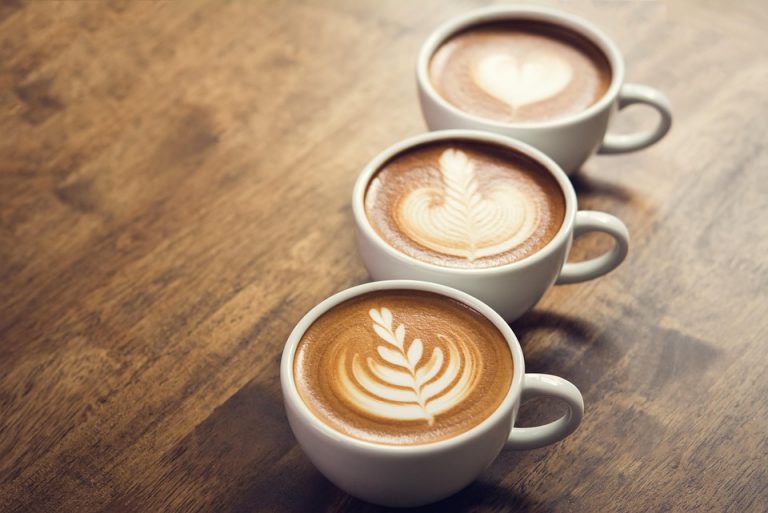
Coffee is more than just a morning ritual; it’s a complex beverage packed with antioxidants and nutrients. A study published in the American Journal of Clinical Nutrition found that caffeine can increase metabolic rate and fat oxidation, particularly during exercise (1). In other words, that cup of joe might help you burn more calories, especially if you hit the gym afterward.
However, moderation is key. Too much caffeine can lead to jitters, anxiety, and digestive issues. I’ve noticed that when I consume coffee in moderation—one or two cups a day—I feel more energized and less bloated.
Hibiscus: The Floral Wonder
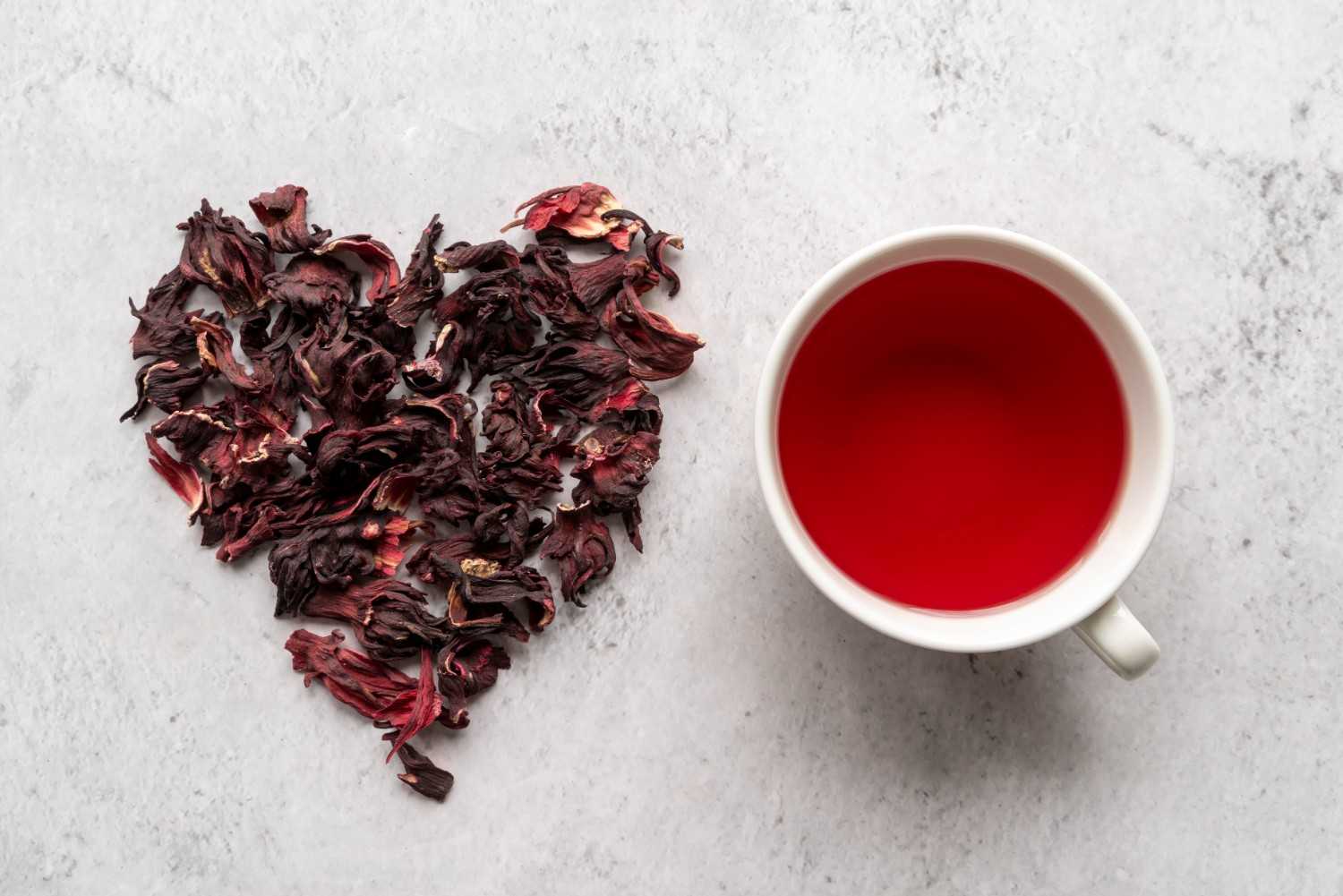
Hibiscus tea, derived from the dried calyces of the hibiscus flower, boasts a rich history in traditional medicine. It’s known for its diuretic properties, which may help reduce water retention, a common culprit behind a bloated belly. A study in the Journal of Ethnopharmacology found that hibiscus extract can help lower body weight and fat accumulation in rats, suggesting potential benefits for humans as well (2).
Moreover, hibiscus is rich in antioxidants, particularly anthocyanins, which can help combat oxidative stress in the body. These antioxidants may also play a role in reducing inflammation, a factor that can contribute to weight gain and digestive issues.
The Perfect Pairing: Coffee and Hibiscus
Combining coffee and hibiscus creates a unique beverage that not only tastes great but also offers a range of health benefits. The tartness of hibiscus beautifully complements the bold flavors of coffee, creating a delightful balance.
How to Make Hibiscus Coffee
Ingredients:
- 1 cup brewed coffee
- 1 tablespoon dried hibiscus flowers
- 1 cup water
- Sweetener of choice (optional)
Instructions:
-
Brew the Hibiscus Tea:
- Bring water to a boil and add dried hibiscus flowers. Let it steep for about 5-7 minutes, then strain.
-
Combine:
- Mix the brewed hibiscus tea with your freshly brewed coffee.
-
Sweeten (Optional):
- Add your favorite sweetener, if desired. Honey or agave syrup can enhance the flavor.
-
Serve:
- Enjoy hot or iced, depending on your preference.
Real-Life Benefits: Anecdotes and Observations
After incorporating hibiscus coffee into my daily routine, I noticed a few changes. For one, my energy levels improved throughout the day. I used to experience mid-afternoon slumps, but now, with this beverage in my arsenal, I feel more alert and focused.
Moreover, I found that my bloating significantly decreased. This might be partly due to the diuretic properties of hibiscus, but I also believe that the antioxidants in both coffee and hibiscus work together to promote better digestion.
Common Mistakes to Avoid
When trying to incorporate coffee and hibiscus into your diet, there are a few pitfalls to be mindful of:
-
Overloading on Sugar:
- It’s tempting to add a lot of sweeteners, especially if you’re not accustomed to the tartness of hibiscus. However, excessive sugar can counteract the health benefits. I recommend starting with a small amount and adjusting to your taste.
-
Ignoring Quality:
- Not all coffee or hibiscus is created equal. Opt for organic and high-quality sources. I’ve found that the flavor and health benefits are vastly improved with better ingredients.
-
Neglecting Hydration:
- Both coffee and hibiscus can have diuretic effects. It’s essential to balance your intake with plenty of water throughout the day. I keep a water bottle handy to ensure I stay hydrated.
Cultural Perspectives on Hibiscus
Hibiscus has a rich cultural history, particularly in regions like West Africa and Southeast Asia. In these cultures, hibiscus tea is often consumed for its refreshing qualities and perceived health benefits. For instance, in West Africa, it’s known as “bissap” and is often served at celebrations. The vibrant red color and unique taste make it a favorite among many.
This cultural context adds depth to the beverage, reminding us that our food and drink choices are often intertwined with history and tradition. It’s fascinating to think about how something as simple as a cup of tea can carry such significance.
Exploring the Counterpoints
While the benefits of coffee and hibiscus are compelling, it’s essential to acknowledge that the research is not without its limitations. Some studies suggest that caffeine can lead to increased anxiety and digestive issues for certain individuals. If you’re sensitive to caffeine, you might want to explore decaffeinated coffee options or limit your intake.
Similarly, while hibiscus is generally safe for most people, it can interact with certain medications, particularly those for high blood pressure. Always consult with a healthcare provider if you’re unsure about how these ingredients might affect your health.
Practical Applications for Daily Life
Incorporating hibiscus coffee into your daily routine can be both enjoyable and beneficial. Here are some practical tips to help you make the most of this combination:
-
Morning Ritual:
- Replace your usual morning coffee with hibiscus coffee a few times a week. This change can introduce a new flavor profile and potential health benefits.
-
Afternoon Boost:
- Use hibiscus coffee as an afternoon pick-me-up instead of sugary snacks or energy drinks. The antioxidants can help ward off the afternoon slump without the crash.
-
Social Beverage:
- Share your newfound love for hibiscus coffee with friends. Hosting a tea party or coffee gathering can be a fun way to introduce others to this delightful drink.
FAQs
1. Can hibiscus coffee help with weight loss?
While hibiscus has been linked to weight management, it’s important to remember that no single beverage will lead to significant weight loss. A balanced diet and regular exercise are key.
2. How often can I drink hibiscus coffee?
Moderation is crucial. Enjoying it a few times a week is generally safe, but be mindful of your caffeine intake and hydration.
3. Are there any side effects of drinking hibiscus tea?
Hibiscus is safe for most people, but it can interact with certain medications. Always consult a healthcare provider if you have concerns.
4. Can I drink hibiscus coffee at night?
Due to the caffeine in coffee, it’s best to avoid hibiscus coffee in the evening if you’re sensitive to caffeine or have trouble sleeping.
5. How can I enhance the flavor of hibiscus coffee?
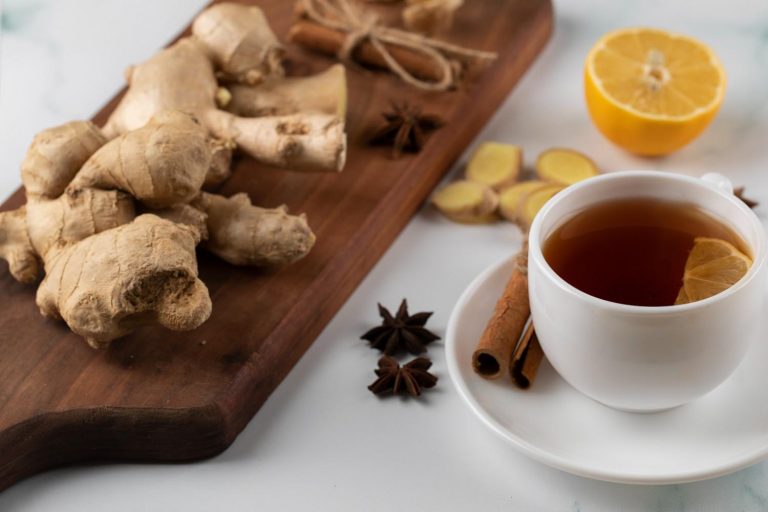
Experiment with spices like cinnamon or ginger. They can add depth and additional health benefits.
Conclusion
The journey to a flatter belly doesn’t have to be a tedious one. By sipping on a delightful blend of coffee and hibiscus, you’re not just indulging in a tasty drink; you’re potentially supporting your body in various ways. The combination of metabolism-boosting caffeine and the antioxidant-rich hibiscus creates a powerful ally in your wellness journey.
As I continue to explore the realms of natural health and wellness, I find myself intrigued by the endless possibilities that lie in simple, everyday ingredients. Perhaps it’s time to reassess what we consider healthy and embrace the flavors and traditions that can enhance our lives.
Medical Disclaimer
This article is for educational purposes only and does not replace professional medical guidance. Always speak with a qualified healthcare provider before making changes to your health routine.
References
- Ainsworth, B.E., et al. (2010). “The effect of caffeine on metabolism and exercise performance.” American Journal of Clinical Nutrition. Link
- Moudachirou, M., et al. (2008). “Hibiscus sabdariffa L.: A review of its medicinal properties.” Journal of Ethnopharmacology. Link
- “Hibiscus: A flowering plant with health benefits.” Cleveland Clinic. Link
By exploring the delightful combination of coffee and hibiscus, you may just find a new favorite beverage that supports your quest for a healthier lifestyle.
Get Your FREE Natural Health Guide!
Subscribe now and receive our exclusive ebook packed with natural health tips, practical wellness advice, and easy lifestyle changes, delivered straight to your inbox.