
Contents
Water trapped in the ear can cause discomfort and distraction. This sensation often arises after swimming, bathing, or even showering. The feeling of fullness and occasional popping can be irritating and may lead to anxiety about potential infections or hearing issues. Understanding effective ways to relieve this discomfort is essential for those who frequently encounter this problem.
Several methods exist to alleviate the sensation, ranging from simple home remedies to more structured approaches. Addressing this issue promptly can prevent further complications. It is beneficial to explore various techniques that can provide immediate relief while being mindful of ear health. Implementing these methods can offer not just comfort but also peace of mind.
The following guide delves into practical applications for relieving the feeling of water in the ear, common mistakes to avoid, the scientific mechanisms at play, and lifestyle considerations. Each section aims to equip you with knowledge and tools to manage this common issue effectively.
By learning how to alleviate this discomfort, you can enhance your overall well-being and enjoy daily activities without distraction. The following sections will provide detailed insights and actionable steps to address the sensation of water in the ear.
How to Use Home Remedies for Real Results
- Best Form: Ear drops or gravity techniques
- Best Time: Immediately after swimming or showering
- Expected Result: Quick relief from discomfort
For Daily Protection
The Prep: Prepare a mixture of equal parts white vinegar and rubbing alcohol. Use a clean dropper to ensure sanitary conditions. This combination not only helps to evaporate water but also prevents bacterial growth.
The Action: Tilt your head to one side and administer two to three drops of the mixture into the affected ear. Keep your head tilted for about 30 seconds to allow the solution to penetrate. Then, tilt your head in the opposite direction to let the solution and trapped water drain out.
The Feeling: You may experience a slight tingling sensation due to the alcohol. This feeling usually subsides quickly, leaving your ear feeling lighter and clearer. The relief can last for several hours, depending on the extent of the trapped water.
Pro Tip: Use this mixture after swimming to prevent water retention in the ear.
Targeting Acute Pain
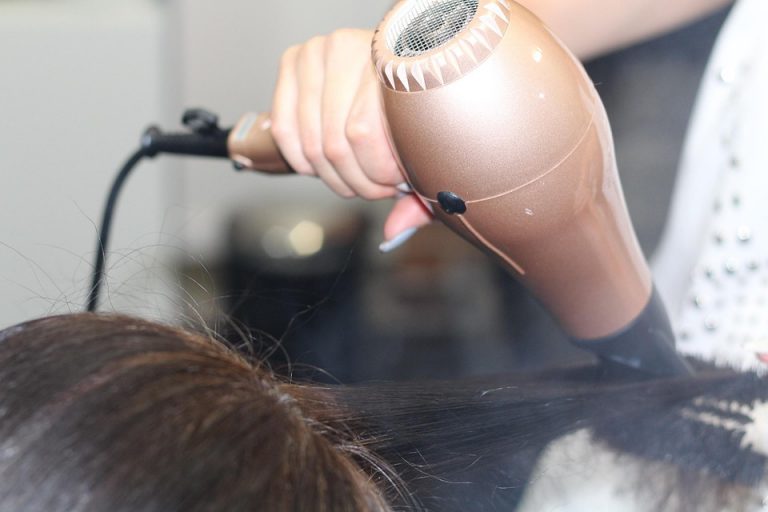
The Prep: Gather a hairdryer and set it to the lowest heat setting. Ensure that you maintain a safe distance to avoid burns. This method utilizes warm air to evaporate moisture trapped in the ear canal.
The Action: Hold the hairdryer about a foot away from your ear. Gently pull your earlobe down to open the ear canal. Turn on the hairdryer and allow the warm air to circulate into your ear for about 30 seconds. Repeat this process as necessary until you feel relief.
The Feeling: You may feel a warm breeze, which can be comforting. The sensation of warmth should help to ease any discomfort associated with trapped water. This method can provide relief within minutes.
Pro Tip: Always keep the hairdryer at a safe distance to prevent overheating the ear.
The Nighttime Routine
The Prep: Prepare a warm compress by soaking a clean cloth in warm water and wringing it out. The heat from the compress can help loosen any trapped water, making it easier to drain.
The Action: Lie on your side with the affected ear facing down. Place the warm compress against the ear for about 10 minutes. The warmth will help to ease discomfort and encourage drainage. Afterward, you can gently pull on your earlobe to facilitate the release of water.
The Feeling: The warm compress provides a soothing sensation, which can help you relax. This method can be particularly effective before bedtime, allowing for a more restful night.
Pro Tip: Ensure the cloth is not too hot to avoid burns.
Avoiding Common Pitfalls
Using Inappropriate Liquids
Many individuals resort to using oils or other liquids in an attempt to relieve water retention. This can lead to further complications, such as infections. Oils can trap moisture inside the ear canal, creating an environment conducive to bacteria growth. Instead, opt for solutions specifically designed for ear care, such as vinegar and alcohol mixtures.
Switching to appropriate home remedies not only provides immediate relief but also minimizes the risk of developing an infection. Always prioritize safety and effectiveness over convenience.
Ignoring Symptoms
Some people dismiss the discomfort as a minor issue. However, prolonged water retention can lead to serious complications, including ear infections. Ignoring symptoms can result in more severe pain and potential hearing loss. It is vital to take action promptly when discomfort arises.
Monitoring your symptoms and responding appropriately can prevent further complications. If discomfort persists despite home remedies, consult a healthcare professional for further evaluation.
Using Cotton Swabs Incorrectly
Cotton swabs are often misused in attempts to clean the ear. Inserting them too deeply can push wax and debris further into the ear canal, potentially trapping water. This can worsen the sensation and even lead to injury. It is advisable to use alternative methods for cleaning the ear rather than cotton swabs.
Utilizing safer cleaning methods can help maintain ear health without exacerbating existing issues. Always follow recommended practices to ensure your ears remain clear and healthy.
The Science Behind Water Retention
Understanding the biological mechanism behind water retention in the ear can provide insight into effective relief methods. The ear canal is lined with skin that can trap moisture, especially after exposure to water. When water gets trapped, the sensation can lead to discomfort and a feeling of fullness.
One key compound involved in home remedies is isopropyl alcohol. This substance helps to evaporate moisture quickly while also acting as an antibacterial agent. Utilizing a mixture of alcohol and vinegar can help to prevent infections and promote drainage.
For further reading on the efficacy of these compounds in ear health, you can refer to this PubMed search that outlines relevant studies and findings.
Choosing the Right Product
- Potency: Ensure that any ear drops or solutions have the right concentration for effective results. Higher potency may offer quicker relief.
- Purity: Select products that are free from additives and preservatives. Pure solutions are less likely to cause irritation or allergic reactions.
- Form: Consider whether you prefer liquid drops or a spray. Each form may have different application methods, so choose one that fits your comfort level.
Benefits vs Risks
| The Benefits | Potential Downsides |
|---|---|
| Quick relief from discomfort | Possible irritation from certain solutions |
| Prevention of infections | Improper use can lead to complications |
| Easy to implement at home | May not work for everyone |
Healthy Habits for Ear Care
Maintaining proper hydration is essential for overall ear health. Staying well-hydrated helps to keep mucus membranes moist, which can prevent water from getting trapped in the ear. Aim for at least eight glasses of water daily to support your body’s natural functions.
Regular ear cleaning is another vital habit. While it is important to avoid inserting objects into the ear canal, gently cleaning the outer ear can help to keep it free of debris. Use a damp cloth to wipe the outer ear regularly, ensuring that it remains clean and healthy.
Who Should Avoid This?
- Individuals with a history of ear infections.
- Those with eardrum perforations or other ear conditions.
- Anyone with allergies to specific ingredients in home remedies.
- People currently taking medications that could interact with home remedies.
Common Questions
What are the best home remedies for water in the ear?
Using a mixture of vinegar and alcohol can effectively help to evaporate trapped water and prevent infections.
How long does it typically take for water to drain from the ear?
Water usually drains within a few minutes when using effective methods, but it may take longer if the blockage is more severe.
Can I use cotton swabs to remove water?
It is not advisable to use cotton swabs, as they can push water further into the ear and cause injury.
What should I do if discomfort persists?
If discomfort continues despite home remedies, it is important to consult a healthcare professional for evaluation and treatment.
The Bottom Line
Relieving the sensation of water in the ear can be achieved through various effective methods.
- The Truth: Home remedies may not work for everyone, and some individuals may require medical intervention.
- The Strategy: Implement these techniques immediately after exposure to water for the best results.
- The Next Step: Establish a routine for ear care to maintain optimal ear health.
Get Your FREE Natural Health Guide!
Subscribe now and receive our exclusive ebook packed with natural health tips, practical wellness advice, and easy lifestyle changes, delivered straight to your inbox.