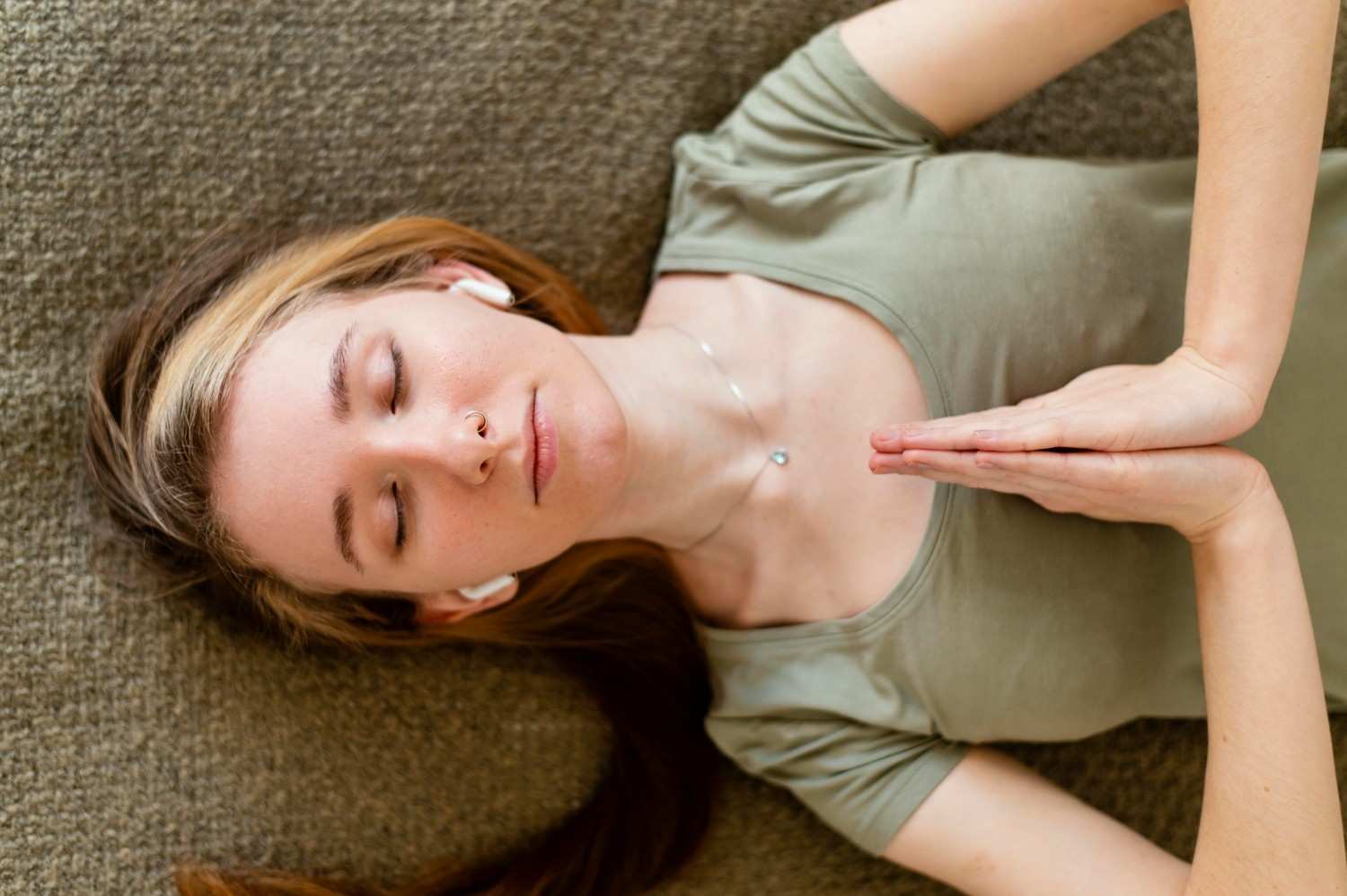

Anxiety can feel overwhelming, manifesting through racing thoughts, physical tension, and emotional distress. Many individuals seek immediate relief but often turn to medications that can lead to dependency and unwanted side effects. A natural approach to easing anxiety focuses on the vagus nerve, a crucial part of the body’s parasympathetic nervous system. By stimulating this nerve, individuals can activate their body’s relaxation response, helping to reduce anxiety levels effectively.
The vagus nerve plays a vital role in regulating heart rate, digestion, and emotional well-being. When stimulated, it can promote feelings of calm and safety, counteracting the fight-or-flight response that often accompanies anxiety. Simple exercises targeting this nerve can be done anywhere and require no special equipment. These practices can easily be integrated into daily routines, providing immediate and long-term benefits for mental health.
Understanding how to access the benefits of vagus nerve stimulation can empower individuals to manage their anxiety more effectively. By incorporating these exercises into daily life, one can cultivate a greater sense of peace and resilience. This guide will delve into simple vagus nerve exercises that can ease anxiety naturally and foster a healthier mental state.
The following sections will explore practical applications, common mistakes, the underlying science, and more, equipping you with the tools needed to navigate anxiety with confidence and ease.
Contents
- How to Use Vagus Nerve Exercises for Real Results
- Avoiding Common Pitfalls in Vagus Nerve Exercises
- Understanding the Mechanisms Behind Vagus Nerve Stimulation
- Selecting the Right Approach for Vagus Nerve Exercises
- Evaluating the Benefits and Risks
- Incorporating Supportive Lifestyle Habits
- Who Should Avoid This?
- Common Questions
- The Final Takeaway
How to Use Vagus Nerve Exercises for Real Results
- Best Form: Breathing exercises
- Best Time: Morning or during anxiety episodes
- Expected Result: Decreased anxiety and increased calmness
For Daily Protection
The Prep: Start with a quiet space where you can sit comfortably without interruptions. You may want to use a timer for five minutes. Having a journal nearby can help you jot down feelings or thoughts that arise during the exercise.
The Action: Begin by taking a deep breath in through your nose for a count of four. Hold your breath for a count of four, then exhale slowly through your mouth for a count of six. Repeat this cycle for five minutes, focusing on the breath and allowing your mind to clear.
The Feeling: As you engage in this breathing exercise, you may notice a tingling sensation in your fingertips or a feeling of lightness in your chest. Many report a gradual sense of calm washing over them, often lasting well after the exercise is completed.
Pro Tip: Consider practicing this exercise at the same time each day to create a sense of routine and stability.
Targeting Acute Stress
The Prep: Gather a comfortable pillow or cushion and find a quiet area. Create a calming environment with soft lighting and perhaps some gentle music to enhance relaxation.
The Action: Sit or lie down comfortably with the pillow behind your head. Allow your neck to relax as you gently tilt your head backward, creating a stretch along the front of your neck. Hold this position for 30 seconds while breathing deeply. Return to a neutral position and repeat two more times.
The Feeling: You may feel a gentle stretch in your neck and throat. Some people report a soothing sensation that travels down the spine, promoting a sense of relaxation. This effect often lingers, providing comfort during stressful moments later in the day.
Pro Tip: Incorporating this exercise during particularly stressful times can help reset your emotional state.
The Nighttime Routine
The Prep: Prepare for this exercise by dimming the lights in your bedroom. You may want to light a candle or use essential oils that promote relaxation, such as lavender or chamomile.
The Action: Lie on your back with your arms at your sides. Close your eyes and take a deep breath in, filling your lungs completely. As you exhale, visualize tension leaving your body. After several breaths, gently hum a soft tone for as long as you can while exhaling. Repeat this for five minutes.
The Feeling: Many find humming to be soothing, creating a gentle vibration in the chest and throat. This sensation can trigger a calming response, making it easier to drift off to sleep. The relaxation experienced often continues throughout the night, enhancing sleep quality.
Pro Tip: Use this exercise as part of your bedtime routine to signal to your body that it is time to wind down.
Avoiding Common Pitfalls in Vagus Nerve Exercises
Overlooking Consistency
Many individuals begin with enthusiasm but fail to maintain a consistent practice. Regular engagement with these exercises is crucial for long-term benefits. Without consistency, the body may not fully adapt or respond positively over time.
Establishing a routine can help combat this issue. Setting specific times each day for practice can create a habit that becomes part of your lifestyle. Consider using reminders on your phone or a calendar to stay on track.
Neglecting the Environment
Practicing vagus nerve exercises in a chaotic or distracting environment can significantly diminish their effectiveness. Distractions can prevent you from focusing on your breath and the sensations in your body.
Creating a serene space for practice is essential. This may involve decluttering your space, using calming colors, or incorporating elements like plants or soft textiles. A dedicated practice area can enhance the overall experience and outcomes.
Ignoring Body Signals
Listening to your body is essential during these exercises. Some individuals may push through discomfort or ignore feelings of unease, which can be counterproductive.
Pay attention to how your body responds during each exercise. If you feel any discomfort, adjust your position or the intensity of the exercise. Ensuring that your practice is tailored to your personal comfort level can lead to more effective outcomes.
Understanding the Mechanisms Behind Vagus Nerve Stimulation
The vagus nerve is the longest cranial nerve and extends from the brainstem to various organs, including the heart and digestive system. It plays a significant role in the autonomic nervous system, particularly in promoting the relaxation response. When stimulated, it can lower heart rate and blood pressure, creating a sense of calm.
One key compound associated with vagus nerve stimulation is acetylcholine. This neurotransmitter facilitates communication between nerve cells and is crucial for activating the body’s relaxation response. Increased levels of acetylcholine can lead to reduced stress and anxiety, promoting overall well-being.
Research supports the effectiveness of vagus nerve stimulation in managing anxiety. A study published in the journal PubMed indicates that individuals who engage in regular vagus nerve exercises report lower anxiety levels and improved emotional regulation.
Selecting the Right Approach for Vagus Nerve Exercises
- Potency: Choosing exercises that effectively stimulate the vagus nerve can enhance results. Stronger stimuli lead to better outcomes.
- Purity: Ensure that your practice is free from distractions or negative influences. A pure environment fosters better focus and relaxation.
- Form: Different exercises may resonate differently with individuals. Experimenting with various forms can help find what works best for you.
Evaluating the Benefits and Risks
| The Benefits | Potential Downsides |
|---|---|
| Reduces anxiety and stress levels | May require consistent practice to see results |
| Promotes relaxation and calmness | Not all exercises may resonate with everyone |
| Accessible and easy to perform | Some individuals may feel discomfort initially |
Incorporating Supportive Lifestyle Habits
Regular physical activity can significantly enhance the effects of vagus nerve exercises. Engaging in activities like walking, yoga, or swimming promotes overall well-being and can further reduce anxiety levels.
Mindfulness practices such as meditation or journaling can complement vagus nerve exercises. These habits encourage self-awareness and emotional regulation, amplifying the benefits of your practice.
Who Should Avoid This?
– Individuals with certain neurological disorders should consult a healthcare professional before starting these exercises.
– People with severe anxiety or panic disorders may need specialized treatment plans.
– Pregnant women should seek guidance from their healthcare provider regarding these practices.
– Those with significant cardiovascular issues should avoid exercises that could strain the heart.
Common Questions
What is the vagus nerve?
The vagus nerve is a major component of the parasympathetic nervous system, influencing various bodily functions like heart rate and digestion.
How often should I practice these exercises?
Regular practice is ideal; aim for daily engagement to maximize benefits.
Can these exercises replace medication?
While they can complement treatment, consult a healthcare provider before making changes to prescribed medication.
Are there any side effects associated with vagus nerve exercises?
Some individuals may initially feel discomfort, but this typically subsides with consistent practice.
The Final Takeaway
Incorporating vagus nerve exercises into your routine can lead to a natural reduction in anxiety.
- The Truth: These exercises may take time to yield noticeable results.
- The Strategy: Practice daily for the best outcomes.
- The Next Step: Consider adding mindfulness practices to enhance effectiveness.
Get Your FREE Natural Health Guide!
Subscribe now and receive our exclusive ebook packed with natural health tips, practical wellness advice, and easy lifestyle changes, delivered straight to your inbox.