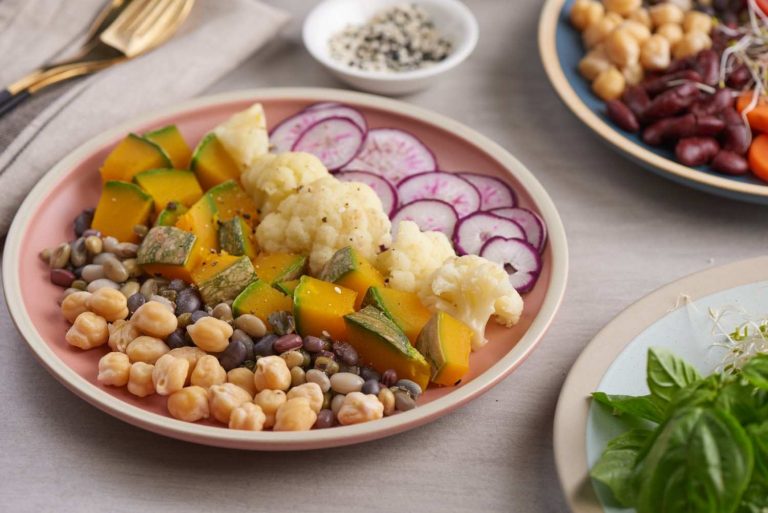
Tendon stiffness can significantly impact mobility and overall quality of life. Many people experience discomfort and reduced range of motion due to stiff tendons, often attributed to various factors such as aging, overuse, or injuries. However, one of the lesser-discussed culprits is sugar intake. High sugar consumption has been linked to inflammation, which can exacerbate tendon stiffness and discomfort. Reducing sugar can be a simple yet effective strategy for alleviating these symptoms.
Sugar can lead to glycation, a process where sugar molecules bind to proteins, including collagen and elastin in tendons. This binding can make these proteins stiffer and less flexible. When tendons lose their elasticity, they can become more prone to injury and less capable of handling physical stress. Thus, addressing sugar intake is crucial for maintaining tendon health and flexibility.
The good news is that making dietary changes to reduce sugar intake can yield rapid benefits. By focusing on whole foods and natural alternatives, individuals can not only reduce their sugar consumption but also enhance their overall nutritional intake. This holistic approach can promote better tendon health and improve flexibility, leading to a more active and pain-free lifestyle.
This guide will provide you with actionable steps to reduce tendon stiffness by minimizing sugar consumption. You will learn practical applications, common errors to avoid, the science behind sugar’s impact on tendon health, and lifestyle choices that can further support your journey toward improved well-being.
Contents
How to Use Dietary Changes for Real Results
- Best Form: Whole foods
- Best Time: Throughout the day
- Expected Result: Reduced tendon stiffness
For Daily Protection
The Prep: Begin by stocking your kitchen with whole foods rich in nutrients. Focus on fresh vegetables, lean proteins, and healthy fats. Avoid processed foods that often contain hidden sugars. Prepare a meal plan that emphasizes these ingredients.
The Action: Start your day with a breakfast high in protein and fiber. For example, consider scrambled eggs with spinach and avocado. Pack healthy snacks like nuts and fresh fruits to avoid sugary temptations throughout the day. Aim for balanced meals that keep your blood sugar levels stable.
The Feeling: Expect to feel energized and satisfied after meals, without the sugar crashes that often lead to cravings. This sustained energy can positively affect your activity levels, promoting better tendon health and flexibility.
Pro Tip: Meal prep on weekends to ensure you have healthy options ready during busy weekdays.
Targeting Acute Pain
The Prep: Identify any specific areas of discomfort and consider incorporating anti-inflammatory foods into your diet. Turmeric and ginger are excellent choices. Create a soothing tea by steeping these ingredients together.
The Action: Prepare a soothing ginger-turmeric tea by boiling water and adding fresh ginger slices and turmeric powder. Let it steep for ten minutes, then strain and enjoy. This tea can be consumed several times a week to help reduce inflammation.
The Feeling: You may experience a warming sensation in your body as the tea works to reduce inflammation. Many individuals report feeling a sense of relief in their joints and tendons after regular consumption.
Pro Tip: Make a larger batch of tea and store it in the fridge for easy access.
The Nighttime Routine
The Prep: Create a calming evening routine that avoids sugar-laden snacks. Instead, consider incorporating foods that promote relaxation, such as chamomile tea or a small serving of nuts.
The Action: An hour before bedtime, prepare a cup of chamomile tea. This herbal tea is known for its calming effects. Pair it with a handful of almonds for a protein boost.
The Feeling: You might notice a calming effect that helps you wind down for the night. The combination of protein and calming tea can improve your sleep quality, which is essential for recovery and overall tendon health.
Pro Tip: Keep a journal to track how your dietary changes impact your tendon stiffness over time.
Avoiding Common Errors
Overlooking Hidden Sugars
Many individuals mistakenly believe they are reducing their sugar intake by avoiding sweets alone. However, numerous packaged foods contain hidden sugars that can contribute to inflammation. It is essential to read labels carefully and recognize terms like high fructose corn syrup or cane sugar.
A solution involves focusing on whole, unprocessed foods. Preparing meals from scratch allows for better control over ingredients. For instance, making a homemade salad dressing can eliminate added sugars found in store-bought versions.
Understanding the impact of hidden sugars can significantly enhance your journey toward reducing tendon stiffness. Better ingredient awareness leads to improved overall health.
Neglecting Hydration
Dehydration can exacerbate tendon stiffness. Individuals often overlook the importance of staying hydrated while focusing on sugar reduction. Water plays a crucial role in maintaining joint lubrication and flexibility.
To combat this, establish a hydration routine. Aim to drink water consistently throughout the day. Consider setting reminders on your phone or using a water tracking app to ensure you meet your daily intake.
Adequate hydration can improve tendon function and reduce stiffness. This simple adjustment can have profound effects on your mobility and comfort levels.
Ignoring Other Dietary Factors
Focusing solely on sugar can lead to the neglect of other dietary elements that impact tendon health. For instance, a diet low in essential nutrients like omega-3 fatty acids or antioxidants can hinder recovery and flexibility.
Incorporate foods rich in these nutrients. Fatty fish, nuts, and seeds are excellent sources of omega-3s. Additionally, colorful fruits and vegetables provide antioxidants that combat inflammation.
Balancing your diet is crucial for overall tendon health. A well-rounded approach can lead to more significant improvements in stiffness and mobility.
The Mechanism Behind Sugar and Tendon Health
The biological mechanism through which sugar affects tendon stiffness involves glycation. Glycation occurs when sugar molecules bind to proteins, altering their structure. This process can lead to the stiffening of tendons, making them less flexible and more prone to injury.
Key compounds involved in tendon health include collagen and elastin. These proteins provide structure and elasticity to tendons. When glycation occurs, the integrity of these proteins is compromised, resulting in stiffness and discomfort.
Recent clinical evidence supports the connection between sugar intake and tendon health. Studies have shown that diets high in sugar can lead to increased levels of inflammation, which directly impacts tendon flexibility and overall performance. For detailed research, visit PubMed.
Choosing the Right Product
– **Potency:** Ensure that any supplements or dietary products you consider are potent enough to provide the desired effects. Potency impacts how effectively your body can utilize the nutrients.
-
Purity: Look for products with minimal additives and fillers. Pure products are less likely to contain harmful ingredients that could counteract your health goals.
-
Form: Choose products that are easy for you to incorporate into your daily routine. Whether in powder, capsule, or liquid form, the right format can enhance adherence to your health plan.
Benefits vs Risks
| The Benefits | Potential Downsides |
|---|---|
| Improved tendon flexibility | Initial cravings for sugar |
| Reduced inflammation | Possible adjustment period with diet changes |
| Enhanced overall health | May require more meal preparation |
Habits to Enhance Your Journey
Engaging in regular physical activity can significantly improve tendon flexibility. Aim for low-impact exercises such as swimming or cycling to promote blood flow without stressing the joints.
Mindfulness and stress management techniques, such as yoga or meditation, can also contribute to overall well-being. Reducing stress can help minimize inflammation, further supporting tendon health.
Who Should Avoid This?
– Individuals with diabetes or blood sugar regulation issues.
– Those with existing medical conditions that require careful dietary management.
– Pregnant or breastfeeding women without professional guidance.
Common Questions
How quickly can I expect to see results?
Results can vary but many individuals report improvements within weeks of reducing sugar intake.
Are there specific foods I should avoid?
Yes, processed foods, sugary snacks, and sweetened beverages are best avoided.
Can I still enjoy sweet foods?
Opt for natural sweeteners like honey or fruit in moderation as healthier alternatives.
Is exercise necessary while reducing sugar?
While not mandatory, regular exercise can enhance the benefits of dietary changes and promote overall health.
The Bottom Line
Reducing sugar intake can play a significant role in alleviating tendon stiffness.
- The Truth: While dietary changes can help, they should be part of a comprehensive approach to health.
- The Strategy: Focus on whole foods and maintain hydration for best results.
- The Next Step: Consider tracking your food intake to identify hidden sugars.
Get Your FREE Natural Health Guide!
Subscribe now and receive our exclusive ebook packed with natural health tips, practical wellness advice, and easy lifestyle changes, delivered straight to your inbox.