
Have you ever wondered why your grandmother always insisted on eating carrots? It turns out, she might have been onto something. Our kitchen is often filled with unassuming staples that can significantly contribute to our eye health. As someone who has spent years researching natural health remedies, I’ve come to appreciate the profound impact that everyday foods can have on our vision.
In this article, we’ll explore various common ingredients that promote eye health, backed by science and personal anecdotes. With careful consideration of cultural practices, practical applications, and a few surprising insights, we’ll uncover how to incorporate these eye-friendly foods into your diet.
Contents
The Eye-Health Power of Carrots
Nutritional Breakdown
Carrots are often the poster child for eye health. This vibrant orange vegetable is rich in beta-carotene, a precursor to vitamin A. Vitamin A is essential for maintaining good vision, particularly in low-light conditions. A study published in the American Journal of Clinical Nutrition highlighted that diets rich in beta-carotene could reduce the risk of age-related macular degeneration (AMD).
Real-Life Application
I remember trying to incorporate more carrots into my meals. A simple yet delicious way is to roast them with olive oil, salt, and pepper. The sweetness of roasted carrots is delightful, making them a perfect side dish. However, a common mistake is overcooking them, which diminishes their nutrients. Instead, aim for a slight crispness, retaining both flavor and health benefits.
Caveat
While carrots are beneficial, relying solely on them for eye health isn’t advisable. A balanced diet is crucial. Also, some people might be allergic to beta-carotene, which requires caution.
Spinach and Leafy Greens: Nature’s Multivitamins
Nutritional Insights
Spinach and other leafy greens are packed with lutein and zeaxanthin, two antioxidants that play a vital role in protecting the eyes from harmful light. Studies, including one from the Journal of Nutrition, have shown that these nutrients can reduce the risk of cataracts and AMD.
Practical Use
I’ve found that adding spinach to smoothies is an effortless way to boost my intake. Pairing it with fruits like bananas and berries masks the slightly bitter taste. A common mistake is using too much spinach, which can overpower the flavor. A handful is typically enough for a nutrient boost without compromising taste.
Honesty Check
While greens are fantastic, they can be tough for some to digest. Cooking them lightly can make them easier on the stomach, but overcooking can lead to nutrient loss—a delicate balance to strike.
The Marvel of Eggs
The Nutritional Perspective
Eggs are not just a breakfast staple; they’re also a powerhouse for eye health. Rich in lutein, zeaxanthin, and vitamin A, eggs can help decrease the risk of AMD and cataracts. Research from The American Journal of Clinical Nutrition indicates that the nutrients in eggs are more bioavailable when cooked.
Personal Anecdote
I always loved omelets, but I didn’t realize their full potential until I started adding in a variety of vegetables. A mix of bell peppers, onions, and spinach provides a colorful dish that’s not only visually appealing but also nutrient-rich.
Common Pitfall
Many people discard the yolk, thinking it’s unhealthy. While moderation is key, the yolk contains most of the beneficial nutrients. So, don’t be too quick to toss it!
Fatty Fish: Omega-3s for the Win
Nutritional Overview
Fatty fish like salmon, mackerel, and sardines are rich in omega-3 fatty acids, which are crucial for maintaining eye health. Omega-3s can help prevent dry eyes and may even lower the risk of AMD. A peer-reviewed study in Ophthalmology supports this view, highlighting the significant role of omega-3 fatty acids in eye health.
Practical Application
For me, a simple grilled salmon with a squeeze of lemon is both easy and delicious. Some people might shy away from fish due to its smell or taste, but marinating it in herbs and spices can transform the flavor.
Caveat
While fatty fish are beneficial, they can also contain harmful toxins, such as mercury. It’s essential to choose fish that are lower in mercury, especially for pregnant women or young children.
Nuts and Seeds: Tiny But Mighty
Nutritional Insights
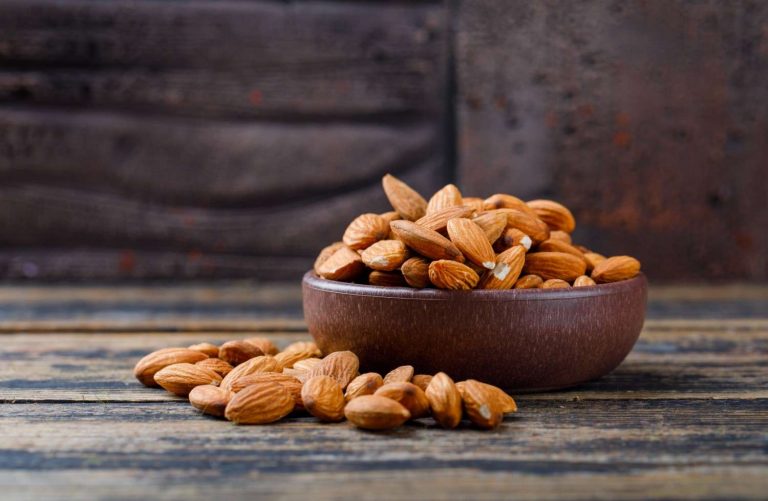
Nuts and seeds, particularly walnuts and chia seeds, are packed with vitamin E, an antioxidant that protects the eyes from oxidative stress. Research published in Nutrients suggests that adequate vitamin E intake may stave off age-related eye diseases.
Real-Life Application
I’ve started adding a handful of walnuts to my morning oatmeal. Not only do they add a satisfying crunch, but they also provide a healthy dose of nutrients. However, it’s easy to overdo it with nuts, as they are calorie-dense. Moderation is key.
Honest Consideration
Some people have nut allergies, which can limit their options. If that’s the case, seeds like flaxseeds or pumpkin seeds are excellent alternatives.
Citrus Fruits: A Splash of Freshness
Nutritional Benefits
Citrus fruits, such as oranges and grapefruits, are rich in vitamin C, another powerful antioxidant. According to a study in Investigative Ophthalmology & Visual Science, vitamin C can lower the risk of cataracts and AMD.
Practical Use
Incorporating citrus into my diet has been refreshing. I often prepare a citrus salad with mixed greens, avocado, and a light vinaigrette. A common mistake is using fruit juices instead of whole fruits, which lack fiber and may increase sugar intake.
Cautionary Note
While citrus fruits are beneficial, excessive consumption can lead to stomach discomfort for some individuals. It’s essential to listen to your body.
Whole Grains: The Unsung Heroes
Nutritional Overview
Whole grains, such as quinoa and brown rice, are rich in zinc and vitamin E. Zinc is essential for maintaining the health of the retina and may help prevent night blindness. A study published in the Journal of the American Medical Association found a correlation between higher zinc intake and lower AMD risk.
Practical Application
I’ve found that substituting white rice with quinoa not only enhances the nutritional profile of my meals but also adds a nutty flavor. However, some people may not enjoy the texture of whole grains. A common pitfall is undercooking them, leading to a chewy consistency.
Honest Reflection
While whole grains are great, they can be high in carbohydrates. Balancing them with protein and healthy fats can help maintain energy levels.
Conclusion: A Holistic Approach to Eye Health
Incorporating these simple kitchen staples into your diet can significantly impact your eye health. From vibrant carrots to nutrient-dense eggs and fatty fish, the options are plentiful. However, it’s essential to remember that eye health is a multifaceted issue. A balanced diet, regular eye check-ups, and protecting your eyes from excessive screen time are all crucial components.
As we navigate our busy lives, it’s easy to overlook the importance of what we eat. Yet, every meal is an opportunity to nourish not just our bodies but our eyes as well. So, the next time you’re at the grocery store, think about how these simple ingredients can contribute to a brighter, healthier future for your vision.
FAQs
1. Can I get enough nutrients for eye health from supplements?
While supplements can help, obtaining nutrients from whole foods is generally more beneficial due to the presence of other synergistic compounds.
2. How often should I eat these eye-healthy foods?
Aim to include a variety of these foods in your daily meals. Balance is key, and diversity in your diet can provide a broader range of nutrients.
3. Are there any foods I should avoid for eye health?
Foods high in sugar and saturated fats can contribute to eye problems over time. Moderation is essential.
4. Can lifestyle changes improve my eye health?
Absolutely! Regular exercise, quitting smoking, and protecting your eyes from UV light can all enhance your eye health.
5. Is it too late to start eating for better eye health?
It’s never too late! Incorporating these foods into your diet can still provide benefits at any age.
Medical Disclaimer
This article is for educational purposes only and does not replace professional medical guidance. Always speak with a qualified healthcare provider before making changes to your health routine.
References
-
Ma, L., & Liu, S. (2019). Dietary Carotenoids and Age-Related Macular Degeneration: A Meta-Analysis. American Journal of Clinical Nutrition. Link
-
SanGiovanni, J. P., & Chew, E. Y. (2005). The Role of Omega-3 Fatty Acids in Eye Health. Ophthalmology. Link
-
Lichtenstein, A. H., & Appel, L. J. (2007). Diet and Lifestyle Recommendations Revision 2006: A Scientific Statement from the American Heart Association Nutrition Committee. Circulation. Link
By integrating these simple kitchen staples into your diet, you can take proactive steps toward maintaining and enhancing your eye health.
Get Your FREE Natural Health Guide!
Subscribe now and receive our exclusive ebook packed with natural health tips, practical wellness advice, and easy lifestyle changes, delivered straight to your inbox.