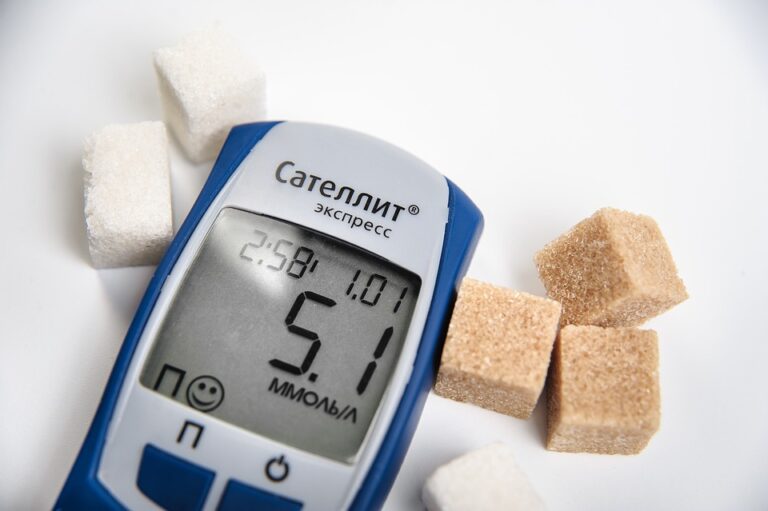
Natural Ways To Balance The Insulin To Glucagon Ratio
Your body operates on a delicate hormonal seesaw. Insulin helps store energy while glucagon helps release it for daily activity. Keeping these two hormones in a stable relationship helps your body function with ease.
Maintaining this harmony relies on simple food choices and timing throughout your day. You do not need complex gadgets to track these internal shifts. Small changes to your plate yield consistent results over time.
To balance the insulin to glucagon ratio, focus on high fiber vegetable intake and spread protein portions throughout the day. Prioritizing slow digesting carbohydrates and avoiding late night snacking allows glucagon to do its job during restful hours.
Key Takeaways
- Blood glucose levels generally stabilize when you consume 25 to 35 grams of fiber daily.
- Protein intake should range from 1.2 to 1.6 grams per kilogram of body weight to support satiety.
- Healthy individuals usually maintain a fasting insulin level between 2 and 5 micro-international units per milliliter.
I noticed that my clients feel more alert when they shift their largest carbohydrate portion to the evening meal after an active day.
Understanding How Pancreatic Hormones Work Together
The Role Of The Pancreas
Your pancreas acts as a command center for fuel management. It houses specialized cells that sense the sugar content circulating in your blood. These cells release insulin when levels rise and glucagon when levels drop.
Insulin tells your liver and muscles to pull energy from the blood for immediate use or storage. Glucagon sends the opposite signal to the liver to release stored fuel. This back and forth motion keeps your internal environment steady.
Healthy hormone communication requires a steady supply of micronutrients. Research from the National Institutes of Health indicates that adequate mineral intake supports these core processes. You can support this cycle by eating nutrient dense whole foods consistently.
The Impact Of Carbohydrate Quality
Not all carbohydrates trigger the same hormonal response. Refined sugars cause rapid spikes that force the body to release high amounts of insulin. This creates a state where storage becomes the priority over fuel usage.
Choosing complex carbohydrates helps you avoid these sharp transitions. Fiber acts as a buffer that slows down digestion and keeps blood sugar changes gradual. This allows your hormones to remain in a balanced state rather than reacting to extreme highs and lows.
Vegetables and legumes provide the structure needed for slow fuel absorption. When you eat these foods, you provide your body with the tools to manage fuel levels naturally. This simple habit prevents the constant need for large insulin releases.
Prioritizing Protein For Steady Energy
Timing Your Protein Intake
Protein is a neutral player in this hormonal dance. It does not demand the same aggressive response as refined sugar. Spreading your protein intake evenly throughout the day helps you feel full without creating hormonal friction.
Many people consume most of their protein during a single meal at dinner. Changing this pattern to include protein at breakfast and lunch helps keep energy levels flat. This strategy reduces the total workload for your pancreas during the day.
Think of your protein portions as anchors for your blood sugar. Small, consistent amounts act like ballast on a ship during choppy waters. This approach makes it easier for your body to switch between storage and release states.
Choosing Quality Protein Sources
Your choice of protein affects how easily your body digests and utilizes those nutrients. Lean meats, fish, eggs, and plant based sources provide essential building blocks without heavy fat loads. This ensures efficient metabolism.
Processed meats often contain additives that complicate digestion. Stick to whole food sources to ensure your body focuses on fuel management rather than processing artificial ingredients. Quality nutrition makes a difference in how you feel.
Simple preparations like baking, steaming, or poaching help preserve the integrity of these foods. Avoid deep frying which adds unnecessary calorie density. Focus on keeping your meals clean and simple for the best results.
The Role Of Fiber In Blood Sugar Control
Slow Digestion Mechanisms
Fiber acts as a physical barrier in your digestive tract. It binds to nutrients and forces a slower pace for sugar absorption. This ensures that your insulin response remains gentle rather than explosive.
Soluble fiber is particularly effective at this task. It forms a gel in the stomach that keeps food moving at a steady rate. This consistent pace is what your body prefers for maintaining steady energy levels.
Studies found by the Centers for Disease Control show how dietary patterns influence metabolic health. Including dark leafy greens and cruciferous vegetables provides the right type of fiber for these processes. You can easily add these to any meal.
Combining Fiber With Other Nutrients
Never eat carbohydrates in isolation. Always pair them with fiber and a bit of protein. This combination changes the way your body interprets the meal.
Imagine eating a plain apple compared to an apple with a handful of nuts. The fat and protein from the nuts slow the absorption of the fruit sugars. This makes the snack much easier for your body to manage.
This simple habit prevents the common afternoon crash. You will find that you have more sustained energy throughout the day. It is one of the easiest shifts to make for your overall well-being.
Natural Ways To Balance The Insulin To Glucagon Ratio Through Movement
| Activity Type | Hormonal Effect | Duration Recommended |
|---|---|---|
| Walking | Stable Glucose | 20 to 30 minutes |
| Strength Training | Increased Insulin Sensitivity | 45 minutes |
| Stretching | Reduced Cortisol | 10 minutes |
Movement after a meal helps your muscles use the energy you just consumed. A short walk removes the need for excessive insulin release. This keeps your hormonal ratio in a much better place after eating.
You do not need to run a marathon to see results. Brisk movement is enough to encourage your muscles to take up glucose. This simple step makes your metabolism work more efficiently every single day.
Consistency is more important than intensity. Aim for regular movement every day rather than one large effort once a week. Your hormones appreciate the steady demand for energy.
The Importance Of Meal Timing
Avoiding Late Night Snacking
Eating close to bedtime keeps your insulin levels elevated when they should be falling. Your body needs a period of low insulin to allow glucagon to work during sleep. This cycle is vital for resting health.
Finish your last meal at least three hours before you lie down. This gives your digestive system time to finish its primary tasks. You will wake up feeling refreshed rather than sluggish.
Hydration is your best tool during the evening. If you feel hungry, drink water or herbal tea. This prevents unnecessary hormonal triggers before the overnight fast.
The Power Of A Consistent Morning Start
Your first meal sets the tone for your entire day. A breakfast rich in protein and fiber starts your morning on a stable note. Avoid sugary cereals or pastries that force your body to play catch up.
Many people find that waiting a bit after waking to eat helps them feel more alert. Listen to your body and honor your natural hunger signals. You do not need to follow a rigid clock if your body needs more time.
Focus on whole foods that require chewing. Digestion starts in the mouth, and the act of chewing sends important signals to your brain. This helps you feel satisfied with smaller, high quality portions.
Understanding The Influence Of Hydration
Water And Metabolic Health
Proper hydration is necessary for every chemical reaction in your body. When you are dehydrated, your blood volume decreases, which can make blood sugar concentrations appear higher. This forces your body to react with more intensity.
Drinking water throughout the day ensures that your blood remains at a healthy concentration. It makes the job of insulin and glucagon much easier to perform. Carry a reusable bottle with you as a simple reminder.
Avoid beverages with added sugars or artificial sweeteners. These act like food and trigger the same hormonal responses. Plain water or unsweetened infusions remain the best choices for your metabolic health.
Electrolytes And Energy
Minerals like sodium, potassium, and magnesium play roles in how your cells communicate. They help transport glucose into your cells efficiently. Without enough of these, your body may struggle to maintain its balance.
Find these minerals in whole foods like avocados, leafy greens, and nuts. You do not need expensive powders if you eat a variety of colorful plants. Keep your mineral intake steady through diverse food choices.
Check the labels on any supplemental drinks you use. Many contain hidden sugars that defeat the purpose of hydration. Simple is always better for long term success.
Managing Stress To Protect Your Hormones
The Cortisol Connection
Stress causes your body to release cortisol, which is a cousin to glucagon in terms of energy release. High cortisol keeps your blood sugar elevated even if you have not eaten. This creates a state of hormonal conflict.
Techniques like deep breathing and quiet time help signal your nervous system to calm down. When you reduce stress, you stop the unnecessary release of fuel from your liver. This helps your insulin stay in a resting state.
Find what works for you, whether it is reading, gardening, or walking in nature. These moments are not luxuries but necessary parts of your health routine. Your hormones respond to the way you treat your nervous system.
The Impact Of Sleep Quality
Sleep is the time when your body repairs and resets its hormonal profile. Poor sleep increases your sensitivity to stress and cravings for sugar. This makes balancing your insulin and glucagon much harder.
Aim for seven to nine hours of quality rest every night. Keep your bedroom cool and dark to encourage deep sleep. Your metabolic health depends on this nightly reset.
Establish a wind down routine that does not involve screens. Blue light interferes with your natural rhythms and affects how you process food the next day. Small habits lead to significant outcomes for your body.
The Hidden Role Of Healthy Fats
Satiety And Hormonal Stability
Healthy fats provide a concentrated source of energy that does not trigger insulin. Adding nuts, seeds, or avocado to your meals keeps you full for longer. This reduces the urge to snack between meals.
These fats also support the production of hormones. Your body needs dietary fat to function correctly. Choose sources that are close to their natural state to get the most benefit.
Use fat as a garnish or a core component of your plate. A small amount goes a long way. This makes your meals more satisfying and keeps your energy smooth.
Avoiding Inflammatory Oils
Highly processed seed oils can contribute to internal irritation. When your body is inflamed, it struggles to manage its fuel levels properly. Focus on stable fats like olive oil or avocado oil for your cooking.
These fats provide benefits without the same risk of irritation. They help keep your systems running smoothly behind the scenes. Your choice of cooking oil is an often overlooked detail that matters.
Check the back of product labels for high quality ingredients. If you cannot recognize the source of the fat, consider a simpler alternative. Your choices today impact your energy tomorrow.
Calculating Your Personalized Fuel Needs
To see how your food choices affect your body, start with a simple log. Track what you eat, how you feel, and when you get hungry. This helps you notice patterns in your own energy levels.
Use the following formula to estimate your protein needs for the day. Take your weight in kilograms and multiply it by 1.4. This gives you a baseline for your daily protein intake in grams.
Example: A person weighing 70 kilograms would aim for 98 grams of protein daily. Divide this by three meals to get roughly 33 grams per meal. This ensures a consistent supply for your metabolic needs.
Choosing Whole Foods Over Processed Options
The Integrity Of Whole Foods
Whole foods contain the entire package of nutrients that your body expects. This includes vitamins, minerals, fiber, and water. Processed foods often remove these elements, leaving only sugar or starch behind.
When you eat an orange, you get fiber that slows the sugar. When you drink orange juice, the fiber is gone, and the sugar hits your system quickly. The difference for your hormones is profound.
Stick to the outer aisles of the grocery store where produce and meats live. These items offer the most value for your metabolic health. They provide the structure your body needs to balance fuel efficiently.
Understanding Food Labels
Reading labels helps you avoid hidden sugars. Many products marketed as healthy are actually heavy on refined carbohydrates. Look for products with fewer than five ingredients and no added sweeteners.
If you see sugar listed in the first three ingredients, choose something else. Your goal is to keep your meals focused on whole ingredients. This makes balancing your internal systems much simpler.
Become a regular shopper of local markets when possible. Fresh, seasonal food often tastes better and has more nutrient density. This makes the healthy choice the delicious choice as well.
Frequently Asked Questions
Does coffee affect the balance of these hormones?
Caffeine can stimulate the release of adrenaline, which signals your liver to release glucose. For some people, this acts like a mini spike in fuel levels that requires an insulin response. If you notice jitteriness or crashes, consider moving your caffeine intake to after a meal rather than on an empty stomach.
The timing of your coffee matters more than the coffee itself. Having it with a balanced breakfast mitigates the potential for a sharp spike in your glucose. Observe how your body reacts and adjust your habits to suit your specific energy needs.
Are there specific foods that force a better ratio?
There is no single food that acts as a magic bullet for your hormonal balance. Instead, focus on combinations of fiber, protein, and healthy fats. Foods like broccoli, lentils, walnuts, and wild caught fish provide the stable building blocks your body needs to maintain its own rhythm.
Focusing on a variety of plants ensures you get a wide range of micronutrients. These nutrients act as cofactors in the work your pancreas does every day. Aim for a colorful plate to support your internal systems with diverse nutrition.
Can you be too active and disturb this balance?
Extreme physical exertion can cause your body to release stress hormones that keep glucose high. This happens when you do not give your body enough recovery time. Balance requires both effort and rest to keep your system from becoming overwhelmed.
Listen to your body for signs of fatigue or increased hunger that does not fade. These are signals that you need more rest or different nourishment. Moderate, consistent activity is usually better for your long term hormonal health than sporadic, intense sessions.
Should I avoid fruit to keep my insulin low?
Fruit provides essential vitamins and fiber that support your health. The key is to choose low sugar options like berries and keep portions moderate. Pairing fruit with protein or fat prevents the sharp spike that would require a larger insulin response.
Eating fruit is very different from drinking fruit juice. The fiber in whole fruit is the primary factor that keeps your response stable. Enjoy fruit as part of a meal rather than as a standalone sugary treat.
Is it necessary to count calories for this balance?
Counting calories is not necessary for balancing your hormonal ratio. Focus instead on the quality and the composition of the nutrients on your plate. When you eat fiber and protein, your body naturally regulates its own hunger signals more effectively.
Listening to your body is a more sustainable approach than tracking numbers. Eat until you feel satisfied rather than stuffed. This intuitive approach helps you maintain a steady state without the stress of rigid tracking.
The Bottom Line
Balancing the insulin to glucagon ratio is about consistency rather than perfection. By prioritizing whole foods, fiber, and regular movement, you allow your body to manage fuel with ease. Small changes to how you eat and when you move help maintain stable energy throughout your day.
This information serves as educational guidance for healthy individuals. It is not intended for those with diagnosed metabolic conditions, pregnant women, or nursing mothers. Consult a licensed healthcare provider before starting any new wellness routine.
Get Your FREE Natural Health Guide!
Subscribe now and receive our exclusive ebook packed with natural health tips, practical wellness advice, and easy lifestyle changes, delivered straight to your inbox.