
Contents
Savory mackerel salad provides a delicious way to incorporate essential nutrients into your diet. Many individuals struggle with maintaining optimal levels of omega-3 fatty acids. This deficiency can contribute to various health issues, including cardiovascular diseases, cognitive decline, and inflammatory conditions. These problems often stem from modern dietary habits that favor processed foods over nutrient-dense options.
Mackerel is a fatty fish rich in omega-3 fatty acids, which are crucial for maintaining overall health. These essential fats support brain function, heart health, and reduce inflammation. Incorporating mackerel into a salad not only enhances the flavor but also creates a balanced meal that is both satisfying and nutritious.
The combination of mackerel with fresh vegetables and healthy fats creates a powerhouse dish that addresses omega-3 deficiencies. This guide will delve into how to prepare a savory mackerel salad, explore its benefits, and provide practical tips for maximizing its health benefits.
Understanding how to effectively integrate this dish into your lifestyle will help you reap the rewards of omega-3 fatty acids. By the end of this guide, you will have the knowledge to make this salad a regular part of your diet, ultimately enhancing your well-being.
How to Use Savory Mackerel Salad for Real Results
- Best Form: Canned or fresh mackerel.
- Best Time: Lunch or dinner.
- Expected Result: Increased omega-3 intake and improved overall health.
For Daily Protection
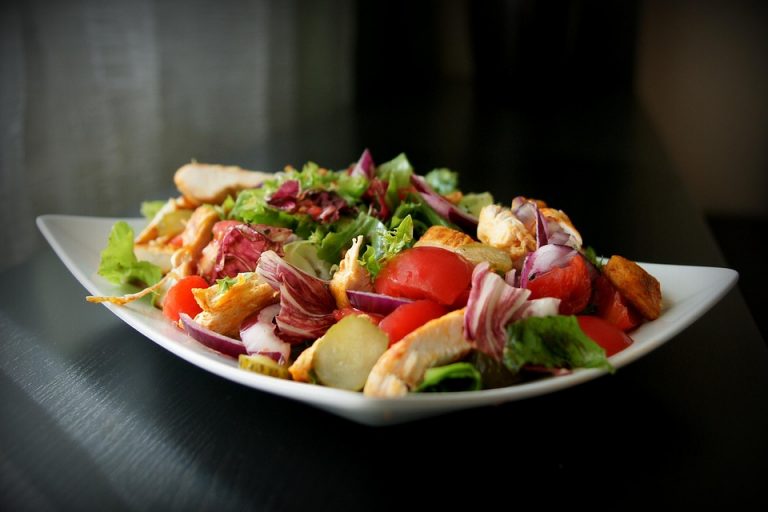
The Prep: Gather one can of mackerel, mixed greens, cherry tomatoes, cucumber, red onion, and a simple dressing made of olive oil and lemon juice. Ensure all ingredients are fresh to maximize flavor and nutrient content.
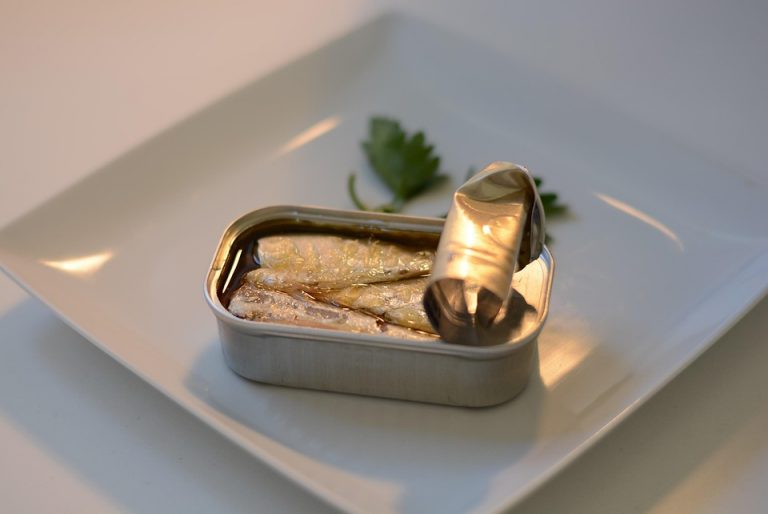
The Action: Start by draining the mackerel and flaking it into a bowl. Chop the mixed greens and slice the cherry tomatoes and cucumber. Combine all the ingredients in a large salad bowl, drizzle with olive oil and lemon juice, and toss gently to mix.
The Feeling: Expect a burst of freshness from the vegetables, complemented by the rich, savory flavor of the mackerel. The salad should feel satisfying and energizing, leaving you revitalized for the rest of your day.
Pro Tip: Prepare extra servings to store in the refrigerator for quick meals throughout the week.
Targeting Inflammation
The Prep: Use fresh mackerel, arugula, avocado, walnuts, and a vinaigrette made from balsamic vinegar and mustard. These ingredients are chosen for their anti-inflammatory properties.
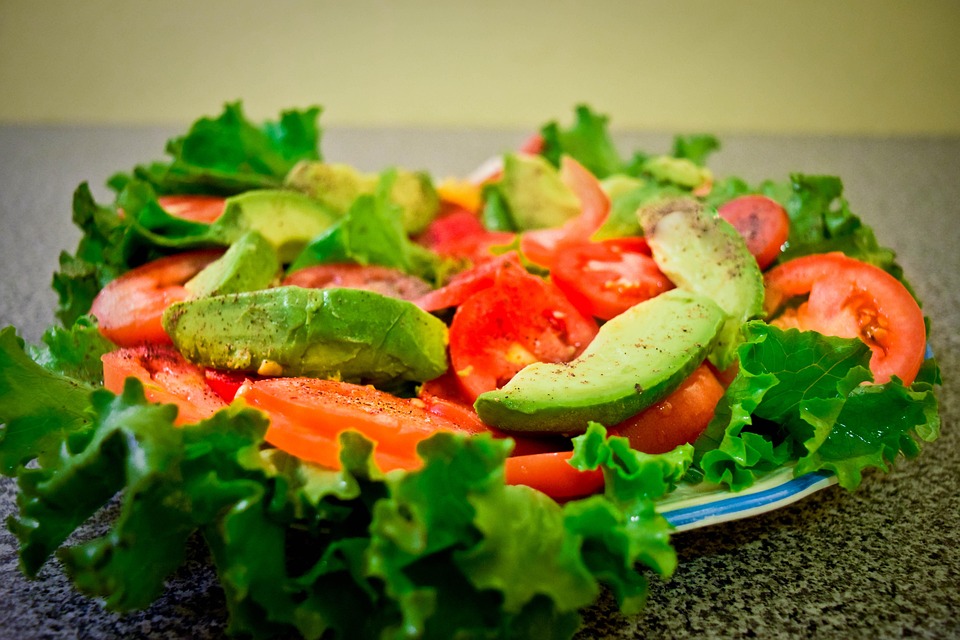
The Action: Start by grilling the mackerel to enhance its flavor. While it cooks, slice the avocado and chop the walnuts. Once the mackerel is ready, assemble arugula, avocado, and walnuts in a bowl. Flake the grilled mackerel on top and drizzle with vinaigrette.
The Feeling: The combination of creamy avocado and crunchy walnuts provides a satisfying texture, while the mackerel adds a rich taste. You should feel a soothing warmth from the meal, promoting a sense of well-being.
Pro Tip: Add spices like turmeric or ginger for additional anti-inflammatory benefits.
The Nighttime Routine
The Prep: For a light evening meal, use smoked mackerel, spinach, beets, and goat cheese. These ingredients are not only flavorful but also easy to digest, making them perfect for nighttime.
The Action: Start by boiling the beets until tender, then slice them. In a bowl, combine fresh spinach, sliced beets, and crumbled goat cheese. Flake the smoked mackerel on top and drizzle with a lemony dressing made from olive oil and lemon juice.
The Feeling: Expect a comforting sensation from the warm beets and creamy goat cheese. The meal should leave you feeling satisfied without being overly full, making it ideal for winding down.
Pro Tip: Incorporate herbs like dill or parsley for extra flavor and added health benefits.
Avoiding Common Mistakes in Mackerel Salad Preparation
Choosing Low-Quality Ingredients
Using low-quality mackerel can diminish the health benefits of your salad. Canned mackerel may contain additives that compromise its nutritional value. Always opt for sustainably sourced, high-quality fish.
Selecting fresh vegetables is equally important. Wilted greens or overripe tomatoes can affect both taste and nutritional content. Focus on sourcing organic produce when possible to maximize health benefits.
The solution lies in being mindful of where you purchase your ingredients. Local farmers’ markets often provide fresher options compared to grocery stores. Prioritize quality over convenience to ensure you’re getting the most from your meal.
Neglecting Flavor Pairings
Failing to enhance the flavor of your mackerel salad can lead to a bland dish. While mackerel is naturally flavorful, the right combination of herbs, spices, and dressings can elevate it further.
Incorporating citrus, such as lemon or lime, can brighten the dish and balance the richness of the fish. Fresh herbs like dill or parsley can add freshness and complexity. Experimenting with different flavor profiles will keep your salads exciting.
To solve this, always taste your salad before serving. Adjust the seasoning and acidity to suit your palate. A well-seasoned dish not only tastes better but also makes you more likely to enjoy it regularly.
Overcomplicating the Recipe
Many people make the mistake of overcomplicating their mackerel salad with too many ingredients. While variety can be appealing, it can also mask the unique flavors of the mackerel.
A simple salad can be just as satisfying and nutritious. Focus on a few key ingredients that complement each other rather than trying to incorporate everything you have on hand.
Streamlining your recipe will also save time in preparation. Aim for a balanced combination of protein, healthy fats, and vegetables without overwhelming your palate. This approach allows the mackerel to shine while still providing a nutritious meal.
The Science Behind Omega-3 Benefits
The biological mechanism of omega-3 fatty acids involves their role in cell membrane integrity and function. These fats are integral to maintaining the fluidity and flexibility of cell membranes. This is crucial for the proper functioning of cellular receptors, which are essential for communication between cells.
One of the key compounds in mackerel is eicosapentaenoic acid (EPA). EPA plays a significant role in reducing inflammation and has been shown to lower the risk of chronic diseases. It also contributes to brain health by supporting neurotransmitter function and promoting neuroplasticity.
For clinical evidence supporting the benefits of omega-3s, a comprehensive review can be found in this study on omega-3 fatty acids: Omega-3 Fatty Acids Health Benefits. This study outlines how incorporating omega-3s into your diet can lead to improved cardiovascular health, cognitive function, and reduced inflammation.
Choosing the Right Mackerel
-
Potency: Look for mackerel that has a high concentration of omega-3 fatty acids. This ensures that you are getting the maximum health benefits from your meal.
-
Purity: Choose mackerel that is free from contaminants such as heavy metals. Higher purity levels mean that you are consuming a safer product that is better for your health.
-
Form: Consider whether you prefer canned or fresh mackerel. Canned mackerel is convenient and shelf-stable, while fresh mackerel may offer superior flavor and texture. Your choice will depend on your cooking preferences and dietary needs.
Understanding the Trade-Offs
| The Benefits | Potential Downsides |
|---|---|
| Rich source of omega-3 fatty acids, which support heart and brain health. | Some people may experience allergic reactions to fish. |
| Easy to prepare and versatile for various recipes. | Canned varieties may contain sodium or preservatives. |
| Provides essential nutrients such as vitamin D and selenium. | Overconsumption may lead to excessive mercury intake, depending on the source. |
Incorporating Healthy Habits
Pairing your savory mackerel salad with regular physical activity can enhance its health benefits. Engaging in moderate exercise helps improve cardiovascular health and boosts metabolism.
Mindfulness practices, such as meditation or yoga, can further support your overall well-being. These practices help manage stress, which can negatively impact your health and dietary choices.
Who Should Avoid This?
– Individuals with a known fish allergy.
– People taking anticoagulant medications, as omega-3s can have blood-thinning effects.
– Pregnant women should consult healthcare providers about safe fish consumption levels.
Common Questions
How often should I eat mackerel?
Incorporating mackerel into your diet 1-2 times a week is generally recommended for optimal omega-3 intake.
Can I use other fish in this salad?
Yes, other fatty fish like salmon or sardines can also provide similar health benefits.
Is canned mackerel as nutritious as fresh?
Canned mackerel retains much of its nutritional value and is a convenient option, though fresh fish may offer superior flavor.
How can I store leftover salad?
Store any leftover salad in an airtight container in the refrigerator for up to 2 days for optimal freshness.
The Bottom Line
Incorporating savory mackerel salad into your diet can significantly improve your omega-3 intake and overall health.
- The Truth: Omega-3s are essential but can be easily overlooked in modern diets.
- The Strategy: Aim to consume this salad during lunch or dinner for maximum benefits.
- The Next Step: Make a habit of preparing this dish weekly for sustained health improvements.
Get Your FREE Natural Health Guide!
Subscribe now and receive our exclusive ebook packed with natural health tips, practical wellness advice, and easy lifestyle changes, delivered straight to your inbox.