
Contents
Many individuals struggle with issues like insomnia and anxiety, which can severely impact their quality of life. The connection between gut health and mental well-being is increasingly recognized in scientific literature. A healthy gut can influence mood, cognition, and even sleep patterns. This has led to a growing interest in fermented foods as a practical solution for enhancing gut health.
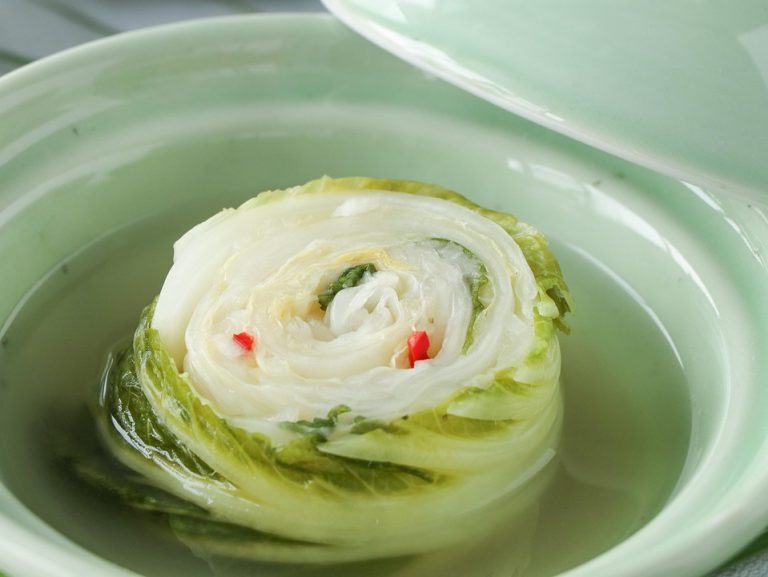
Sauerkraut, a traditional fermented food made from cabbage, is emerging as a standout option. Its rich probiotic content can support gut microbiota, which plays a pivotal role in the gut-brain axis. This connection highlights how what we consume can significantly affect our mental health and emotional stability. By incorporating sauerkraut into daily diets, individuals may find a simple yet effective way to improve their overall well-being.
Understanding the nuances of how sauerkraut can benefit both gut health and mental wellness is essential. This guide will delve into practical applications, common pitfalls, and the science behind this fermented food. The goal is to empower you with knowledge that can lead to tangible improvements in your life.
From preparation to consumption, this journey into the world of sauerkraut will provide actionable insights and tips. By the end, you will be equipped to harness the benefits of this delicious food for your mental and physical health.
How to Use Fermented Cabbage for Real Results
- Best Form: Raw, unpasteurized sauerkraut.
- Best Time: With meals, ideally lunch or dinner.
- Expected Result: Improved digestion and enhanced mood.
For Daily Protection
Begin with high-quality raw sauerkraut. Look for varieties that are unpasteurized to ensure maximum probiotic content. Gather a tablespoon of sauerkraut and a meal of your choice.
Incorporate the sauerkraut into your meals. Serve it alongside grilled chicken or fish, or mix it into salads. Aim for a tablespoon with each meal for optimal benefits.
Expect a slight tanginess that complements your dish. Many report a feeling of lightness and improved digestion shortly after consumption, often lasting for several hours.
Pro Tip: Pair it with fatty foods like avocado for enhanced absorption of nutrients.
Targeting Acute Discomfort
For those experiencing digestive issues, prepare a simple sauerkraut smoothie. Combine half a cup of sauerkraut with a ripe banana and a cup of almond milk.
Blend the ingredients thoroughly until smooth. This can be consumed as a snack or a light meal, especially when feeling bloated or uncomfortable.
The creamy texture combined with the tangy flavor creates a refreshing experience. Many find that their discomfort alleviates within 30 minutes to an hour after consumption.
Pro Tip: Add a sprinkle of ginger for additional digestive support.
The Nighttime Routine
For those seeking better sleep, consider a pre-bedtime ritual. Prepare a small bowl of sauerkraut and enjoy it alongside a calming herbal tea.
Incorporate this into your evening routine about an hour before bedtime. This will give your body time to digest and reap the benefits before sleep.
The combination of probiotics and the calming effects of tea can lead to a sense of relaxation. Many report falling asleep more easily and enjoying deeper sleep cycles.
Pro Tip: Opt for chamomile tea to enhance relaxation further.
Common Pitfalls to Avoid
Choosing Processed Varieties
Many people mistakenly opt for store-bought sauerkraut that is pasteurized. This process kills beneficial probiotics, negating many health benefits.
To ensure you receive the full advantages, always select raw, unpasteurized options. Check labels carefully to verify that live cultures are present.
Overconsumption
While sauerkraut is beneficial, consuming it excessively can lead to digestive discomfort. Many people think more is better, but this is not the case.
Start with small amounts, aiming for one to two tablespoons per meal. Gradually increase your intake as your body adjusts to the probiotics.
Ignoring Quality
Not all sauerkraut is created equal. Low-quality sauerkraut may contain additives or preservatives that can hinder its health benefits.
Focus on brands that prioritize quality ingredients. Look for those made with organic cabbage and sea salt, as these are more likely to retain their health-promoting properties.
The Science Behind the Connection
The gut-brain connection is a fascinating area of research. The gastrointestinal tract houses trillions of bacteria that communicate with the brain through various pathways. This interaction can influence mood and cognitive function.
Lactic acid bacteria are one of the crucial components found in sauerkraut. These beneficial microbes can enhance gut health by outcompeting harmful bacteria and producing short-chain fatty acids that support brain health.
Research indicates that fermented foods can positively affect mental health. A study published in the journal PubMed highlights the potential benefits of probiotics in reducing anxiety and depression symptoms.
Choosing the Right Product
- Potency: Ensure the product contains a high concentration of live cultures. This determines its effectiveness.
- Purity: Look for organic options without additives or preservatives. This ensures you consume only the beneficial components.
- Form: Choose raw sauerkraut over canned versions. Raw varieties retain their probiotic content and provide maximum health benefits.
Benefits vs Risks
| The Benefits | Potential Downsides |
|---|---|
| Supports gut health through probiotics. | May cause digestive discomfort if overconsumed. |
| Enhances mood and cognitive function. | Low-quality products may lack beneficial properties. |
| Rich in vitamins and minerals. | High sodium content in some varieties. |
Habits to Enhance Benefits
Incorporating mindfulness practices can significantly enhance the benefits of sauerkraut. Mindful eating encourages individuals to savor their food, promoting better digestion and enjoyment.
Regular physical activity also complements the gut-brain connection. Exercise can stimulate the growth of beneficial gut bacteria and improve overall mental health.
Who Should Avoid This?
- Individuals with histamine intolerance.
- Those on low-sodium diets.
- People with certain gastrointestinal disorders.
Common Questions
Can sauerkraut help with anxiety?
Yes, the probiotics in sauerkraut may help regulate mood and reduce anxiety symptoms.
How much sauerkraut should I eat daily?
Start with one to two tablespoons per meal, gradually increasing as tolerated.
Is store-bought sauerkraut as beneficial as homemade?
Homemade sauerkraut is often more beneficial due to higher probiotic content, but quality store-bought options can also be effective.
Can I eat sauerkraut if I have digestive issues?
Consult a healthcare professional, but many find that small amounts can aid digestion.
The Bottom Line
Incorporating sauerkraut into your diet can positively influence gut health and emotional well-being.
- The Truth: While beneficial, results may vary based on individual gut health.
- The Strategy: Use sauerkraut with meals for optimal results.
- The Next Step: Experiment with incorporating it into your diet consistently.
Get Your FREE Natural Health Guide!
Subscribe now and receive our exclusive ebook packed with natural health tips, practical wellness advice, and easy lifestyle changes, delivered straight to your inbox.