
Revitalizing your skin often feels like an uphill battle. With pollution, stress, and dietary choices wreaking havoc on our bodies, skin health can decline rapidly. Many people resort to expensive creams and invasive treatments, but these solutions rarely address the root causes. This is where the ancient practice of dry brushing comes into play, offering a holistic approach that can transform not only your skin but also your overall well-being.
Dry brushing serves as a natural exfoliation method that stimulates the lymphatic system. This system plays a crucial role in detoxifying the body and maintaining skin health. By incorporating this practice into your routine, you can enhance circulation, promote lymphatic drainage, and encourage cell turnover. The result is skin that looks and feels revitalized.
Understanding how to effectively dry brush can make all the difference. This guide will delve into the practical applications, common mistakes, and the science behind this wellness technique. You will learn how to harness the benefits of dry brushing for optimal skin health and overall vitality.
As you explore the benefits and techniques of dry brushing, keep in mind that consistency is key. Making this practice a part of your daily routine can lead to lasting improvements in your skin and overall health.
Contents
How to Use Dry Brushing for Real Results
- Best Form: Natural bristle brush
- Best Time: Morning before showering
- Expected Result: Increased circulation and smoother skin
For Daily Protection
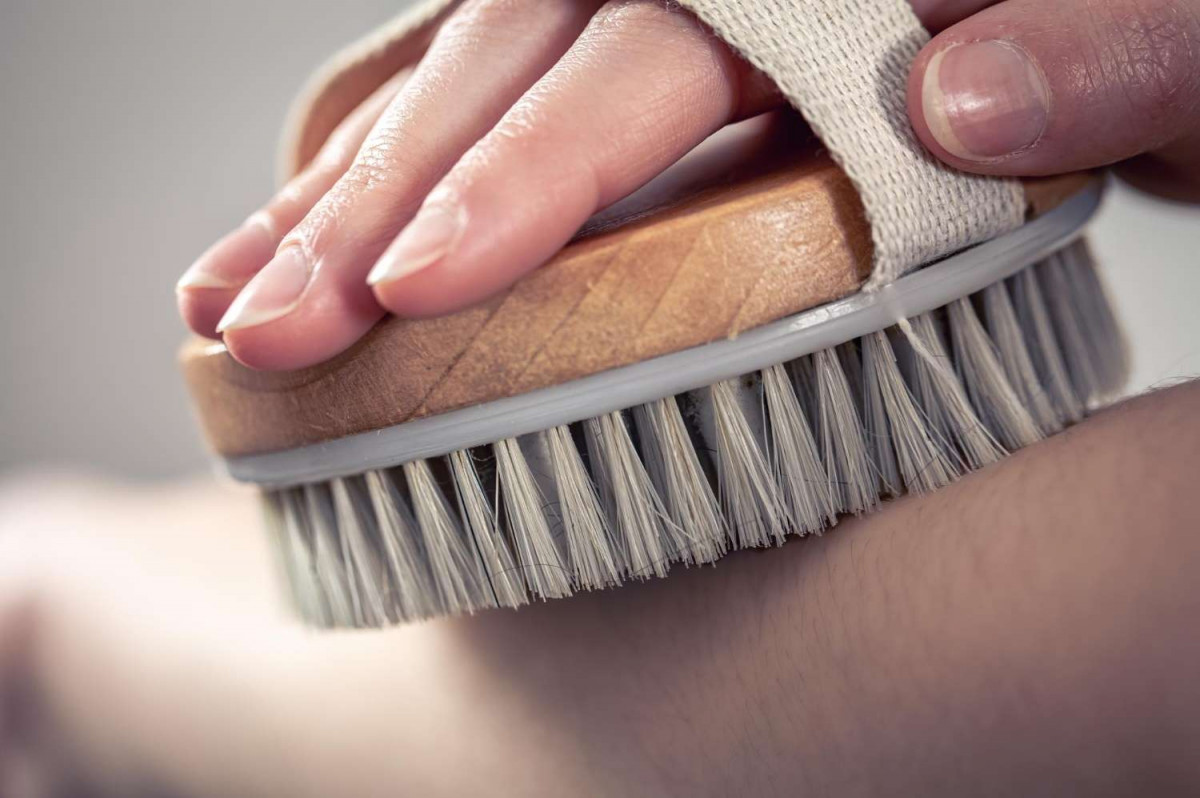
The preparation for daily dry brushing is simple yet effective. Begin by selecting a natural bristle brush that fits comfortably in your hand. Ensure that your skin is dry and free of any lotions or oils. Stand on a towel or in a bath to catch any dead skin flakes that may shed during the process. This setup creates a clean environment and allows for easy cleanup.
When you are ready to begin, start at your feet and work your way up toward your heart. Use long, sweeping strokes, applying gentle pressure. Focus on areas with thicker skin, such as the soles of your feet and the backs of your legs. Remember to brush your arms and torso with lighter strokes. The key is to maintain a rhythm and consistency throughout the process.
As you brush, you may feel a tingling sensation on your skin. This is a sign that circulation is increasing. The invigorating feeling can last for several minutes, leaving your skin feeling fresh and awakened. Pro Tip: Dry brushing should only take about five to ten minutes.
Targeting Stress Relief
To target stress relief through dry brushing, gather your materials in a serene environment. Choose a quiet space where you can focus on the activity without distractions. The right ambiance can enhance the experience, so consider playing calming music or lighting a candle to create a soothing atmosphere.
Begin by brushing your feet and moving upward, but this time, focus on slow, deliberate strokes. Take deep breaths as you brush, allowing yourself to connect with your body. Pay particular attention to areas where you hold tension, such as your shoulders and neck. This mindful approach can deepen the benefits of dry brushing.
During this process, you may notice a sense of relaxation washing over you. The combination of gentle brushing and mindful breathing can create a calming effect. This sensation may linger long after you finish. Pro Tip: Incorporate aromatherapy oils, like lavender, into your routine for added relaxation.
The Nighttime Routine
For an effective nighttime routine, prepare your space by dimming the lights and ensuring a comfortable temperature. This creates a calming environment conducive to winding down. Keep your brush within easy reach, and consider using a moisturizer after brushing to help lock in hydration.
Start with your feet, brushing upwards toward your heart, similar to previous techniques. However, this time, focus on shorter, more gentle strokes. The goal is to prepare your body for rest, so avoid vigorous brushing. This gentle technique can help signal to your body that it is time to relax.
You may feel a sense of tranquility as you brush, preparing you for a restful night. The calming effects of this routine can promote better sleep and a rejuvenated complexion. Pro Tip: Follow up with a warm shower to wash away any dead skin cells and enhance the relaxing experience.
Avoiding Common Errors
Using Low-Quality Brushes
Selecting the right brush is crucial for effective dry brushing. Low-quality brushes can be too abrasive, leading to skin irritation and discomfort. Synthetic bristles may not provide the same benefits as natural ones, which can hinder the results you seek.
To avoid this mistake, invest in a high-quality natural bristle brush. Look for brushes that are soft enough to feel comfortable on your skin but firm enough to provide effective exfoliation. Your skin will thank you for this thoughtful choice.
Brushing on Wet Skin
One common mistake is brushing on wet skin. This can lead to ineffective exfoliation and may even cause skin damage. Wet skin is more sensitive, making it susceptible to irritation from brushing.
Always ensure your skin is completely dry before starting the process. This practice not only maximizes the benefits of dry brushing but also protects your skin from unnecessary harm.
Skipping Areas of the Body
Neglecting certain areas of the body during dry brushing can reduce the overall effectiveness of the practice. Many people focus only on visible areas like the arms and legs, overlooking the back and abdomen.
To counteract this, make a conscious effort to include all areas of your body. This includes the back, abdomen, and even the sides. Each area benefits from increased circulation and lymphatic drainage, contributing to overall skin health.
The Mechanism Behind Dry Brushing
The biological mechanism of dry brushing revolves around stimulating the lymphatic system. This system is responsible for removing toxins and waste from the body. By physically stimulating the skin, dry brushing encourages lymph flow, enhancing detoxification.
Key compounds involved in this process include lymphocytes, which are white blood cells that play a vital role in immune function. When lymphatic flow is improved, these cells can circulate more effectively, promoting overall health.
Clinical evidence supports the benefits of dry brushing for skin health. Studies have shown that stimulating the lymphatic system can lead to improved skin tone and texture. For further reading, explore this PubMed resource that delves into the subject.
Choosing the Right Product
-
Potency: Selecting a brush with firm bristles enhances exfoliation and circulation. A potent brush ensures that you receive maximum benefits from each session.
-
Purity: Opt for brushes made from natural materials. This choice minimizes the risk of skin irritation and provides a more effective experience.
-
Form: Choose a brush that feels comfortable in your hand. The right form allows for better control and ease of use, making the practice more enjoyable.
Benefits vs Risks
| The Benefits | Potential Downsides |
|---|---|
| Improves circulation | May irritate sensitive skin |
| Enhances lymphatic drainage | Requires consistency for best results |
| Promotes smoother skin texture | Improper technique can lead to skin damage |
Habits for Enhanced Results
Incorporating hydration into your routine significantly enhances the benefits of dry brushing. Drinking adequate water helps flush out toxins and supports skin health from within.
Regular exercise also complements dry brushing. Physical activity promotes circulation and lymphatic flow, amplifying the effects of your dry brushing sessions.
Who Should Avoid This?
- Individuals with sensitive skin
- Those with skin conditions such as eczema or psoriasis
- Anyone recovering from recent skin injuries or surgeries
- Pregnant women should consult their healthcare provider before starting
Common Questions
How often should I dry brush?
Aim to dry brush three to five times per week for optimal results.
Can I dry brush if I have sensitive skin?
It is best to avoid dry brushing if you have sensitive skin or consult with a dermatologist first.
Do I need to shower after dry brushing?
While it is not necessary, showering afterward can help remove dead skin cells and enhance hydration.
Can I use oils after dry brushing?
Yes, applying natural oils can help moisturize and nourish your skin post-brushing.
The Bottom Line
Dry brushing can be a transformative practice for your skin health and overall wellness.
- The Truth: Results may vary among individuals.
- The Strategy: Morning sessions before showering yield the best benefits.
- The Next Step: Consider pairing with a hydration routine for enhanced effects.
Get Your FREE Natural Health Guide!
Subscribe now and receive our exclusive ebook packed with natural health tips, practical wellness advice, and easy lifestyle changes, delivered straight to your inbox.