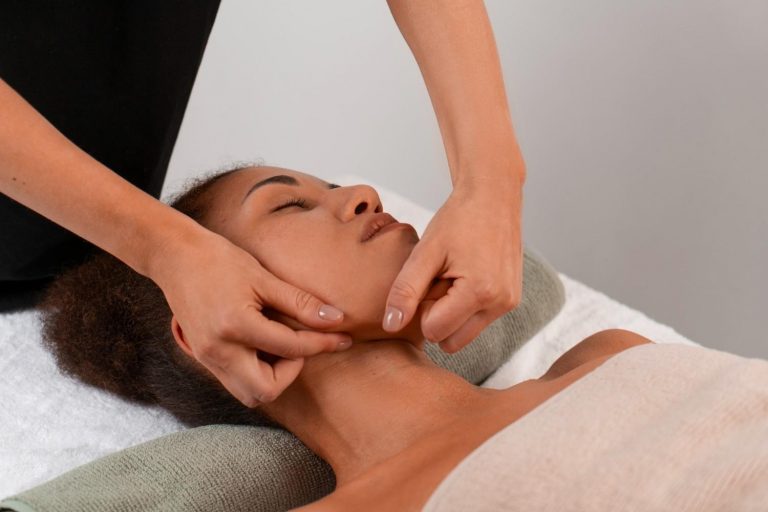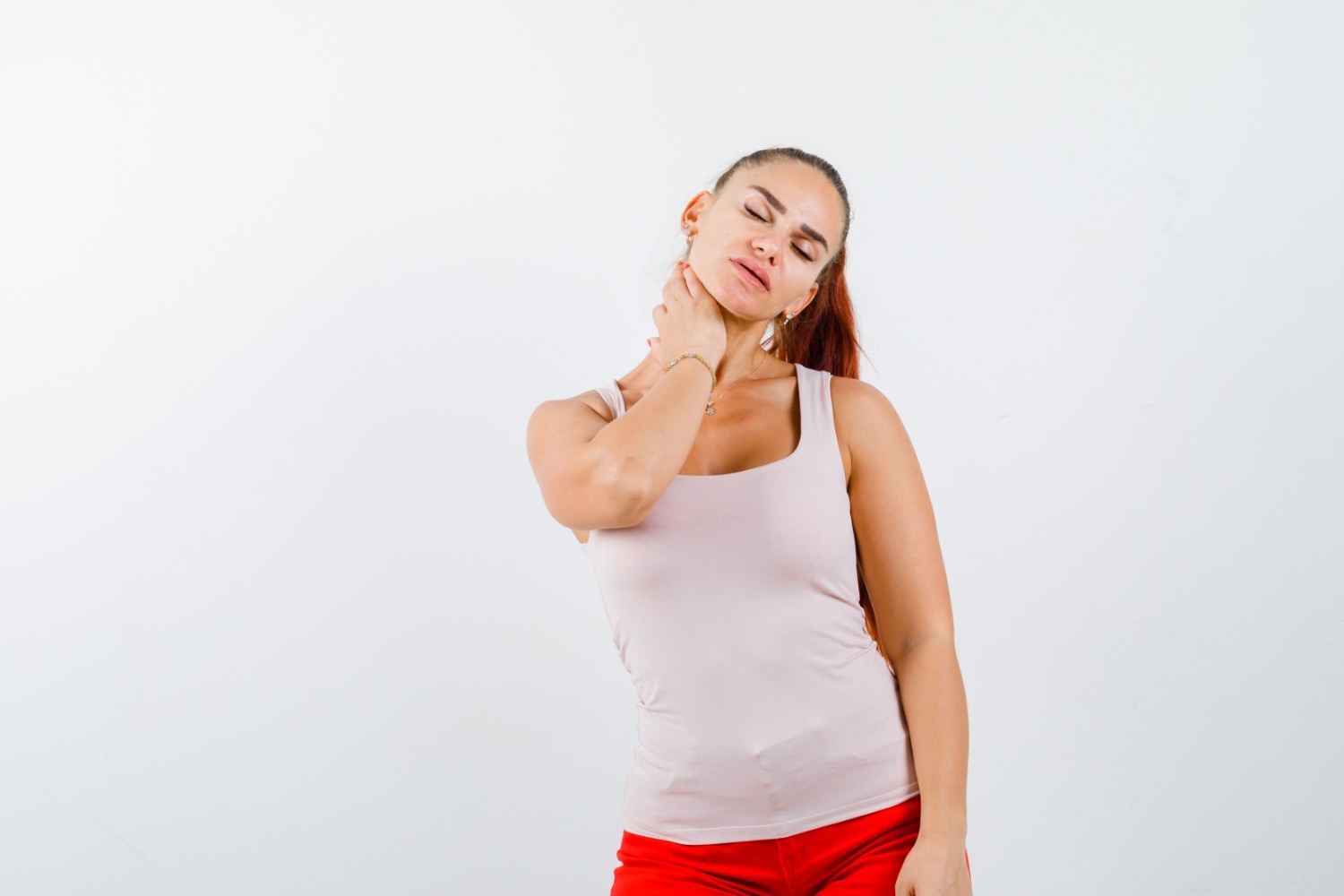

Relieving ear pressure can be a frustrating experience. Many individuals encounter discomfort from various sources such as allergies, sinus infections, or even changes in altitude. This pressure can lead to muffled hearing, discomfort, and sometimes even pain. When traditional methods such as medication or decongestants do not provide relief, exploring physical techniques can be a game-changer. Simple neck stretches can alleviate this pressure by enhancing blood flow and reducing tension in the neck and jaw areas, which are closely related to ear function.

Understanding the relationship between neck tension and ear pressure is crucial. The muscles in the neck and throat play a significant role in the function of the Eustachian tube, which helps equalize pressure in the ears. Tension in these muscles can impede this function, leading to discomfort. By incorporating targeted neck stretches into your routine, you can promote relaxation and improve the mechanics of the Eustachian tube, offering a natural approach to ear pressure relief.
This guide aims to provide practical neck stretches that can be easily integrated into daily life. Each technique is designed to address specific areas of tension that may contribute to ear pressure. The goal is to empower individuals with simple yet effective methods to manage their symptoms without relying solely on medications or invasive treatments.
The following sections will explore how to perform these stretches, common mistakes to avoid, the science behind their effectiveness, and additional lifestyle tips that can enhance overall ear health.
Contents
How to Use Neck Stretches for Real Results
- Best Form: Dynamic stretches and static holds.
- Best Time: Morning or whenever experiencing pressure.
- Expected Result: Improved ear pressure relief and reduced tension.
For Daily Protection
The Prep: Start by finding a quiet space where you can stretch comfortably. No special equipment is needed, but a yoga mat may enhance comfort. Ensure you wear loose clothing that allows for free movement.
The Action: Begin with gentle neck rolls. Slowly drop your chin to your chest, then roll your head to the right, bringing your ear towards your shoulder. Continue the roll until your head is back at the center. Repeat this for three cycles in each direction. Next, perform a doorway stretch by standing in a doorway, placing your arms on the frame, and gently leaning forward.
The Feeling: As you perform these stretches, you may experience a tingling sensation in your neck and shoulders. This is a sign that tension is releasing. You should feel a gradual lightness in your head and ears, typically lasting for about 10 to 15 minutes.
Pro Tip: Incorporate these stretches into your morning routine to prevent tension build-up throughout the day.
Targeting Acute Pain
The Prep: For acute ear pressure, gather a soft towel or cushion to sit on. Ensure your environment is calm, as distractions can hinder your focus during stretches.
The Action: Start with a seated neck stretch. Sit comfortably and tilt your head to the right, placing your right hand on the left side of your head to deepen the stretch. Hold for 20 seconds, then switch sides. Follow this with a chin tuck by sitting upright and gently pulling your chin towards your chest without rounding your shoulders.
The Feeling: You may feel immediate relief as tension releases from the neck and jaw area. This sensation can last for several minutes, providing a calming effect on both the neck and ears.
Pro Tip: If you feel any discomfort during the stretches, ease up immediately and focus on gentle movements.
The Nighttime Routine
The Prep: Create a relaxing evening environment. Dim the lights and consider playing soft music. This will enhance your stretching experience and help you unwind before bed.
The Action: Begin with gentle side stretches. Stand upright and reach your right arm overhead while leaning to the left. Hold for 15 seconds, then switch sides. Afterward, perform a gentle head tilt by bringing your right ear towards your shoulder and holding for 20 seconds, followed by the left side.
The Feeling: These stretches should bring a soothing sensation, alleviating any accumulated tension from the day. You might feel a release in your neck and shoulders, promoting a restful night.
Pro Tip: Incorporating a breathing technique, such as deep diaphragmatic breathing, can enhance relaxation and improve the effectiveness of your stretches.
Avoiding Common Errors
Neglecting Warm-Up
Starting neck stretches without a warm-up can lead to strain. Muscles need to be prepared for stretching to avoid injury. Always perform light movements or gentle head nods before diving into deeper stretches. This can enhance flexibility and reduce the risk of discomfort.
Overstretching the Neck
Many individuals push themselves too far in an attempt to achieve maximum stretch. This can lead to muscle strain or injury. Always listen to your body and stop if you feel sharp pain. Gradual stretching is more effective and safer for long-term relief.
Inconsistent Practice
Infrequent stretching can lead to recurring tension and discomfort. Establishing a regular routine is essential for maintaining flexibility and reducing ear pressure. Aim to incorporate neck stretches into your daily habits for the best results.
The Mechanism Behind Relief
The relationship between neck tension and ear pressure is rooted in anatomical connections. The muscles surrounding the neck, throat, and jaw influence the Eustachian tube’s function. When these muscles are tight, they can impede the tube’s ability to equalize pressure, leading to discomfort.
A key compound involved in muscle relaxation is myofascial release. This technique targets the fascia surrounding muscles, promoting relaxation and increasing blood flow. Improved circulation helps alleviate pressure and tension, enhancing overall ear function.
Research supports the efficacy of physical therapy techniques, including stretching, in managing ear pressure and related discomfort. For more information, see the studies available at PubMed.
Choosing the Right Product
-
Potency: Ensure that any products used for additional relief, such as topical creams or oils, contain effective ingredients. Potency affects how well these products can support your stretches.
-
Purity: Look for products that are free from additives or synthetic ingredients. Pure formulations are less likely to cause irritation and are generally more effective.
-
Form: Consider the form of the product, whether it is a cream, oil, or gel. Each has its advantages, and choosing the right form can enhance your stretching experience.
Benefits vs Risks
| The Benefits | Potential Downsides |
|---|---|
| Improves flexibility and range of motion | Risk of overstretching and injury |
| Enhances blood flow to affected areas | Temporary discomfort during stretching |
| Promotes relaxation and stress relief | May require consistent practice for lasting effects |
Habits for Enhanced Relief
Incorporating hydration into your daily routine can significantly improve muscle function and reduce tension. Staying well-hydrated ensures that muscles remain pliable and less prone to strain.
Regular physical activity is essential for maintaining overall muscle health. Engaging in activities like yoga or swimming can enhance flexibility and promote relaxation, further supporting your efforts in relieving ear pressure.
Who Should Avoid This?
- Individuals with severe neck injuries.
- Those with recent surgeries in the neck or ear areas.
- People with chronic conditions affecting muscle or joint health.
- Pregnant women should consult a healthcare provider before starting any new stretching routine.
Common Questions
How often should I perform neck stretches?
Aim to perform neck stretches daily, especially if you experience frequent ear pressure or tension.
Can neck stretches help with other ear issues?
Yes, stretching can improve overall neck and jaw tension, which may contribute to various ear-related issues.
Is there a specific time of day that is best for stretching?
Morning and evening are ideal times, as these stretches can help alleviate tension accumulated throughout the day.
What should I do if I experience pain while stretching?
Stop immediately and consult a healthcare professional if pain persists. It is crucial to listen to your body and avoid overstretching.
The Bottom Line
Relieving ear pressure through neck stretches can be a simple yet effective strategy.
- The Truth: These techniques may take time to show results.
- The Strategy: Aim to stretch regularly for the best outcomes.
- The Next Step: Consider integrating relaxation techniques into your routine.
Get Your FREE Natural Health Guide!
Subscribe now and receive our exclusive ebook packed with natural health tips, practical wellness advice, and easy lifestyle changes, delivered straight to your inbox.