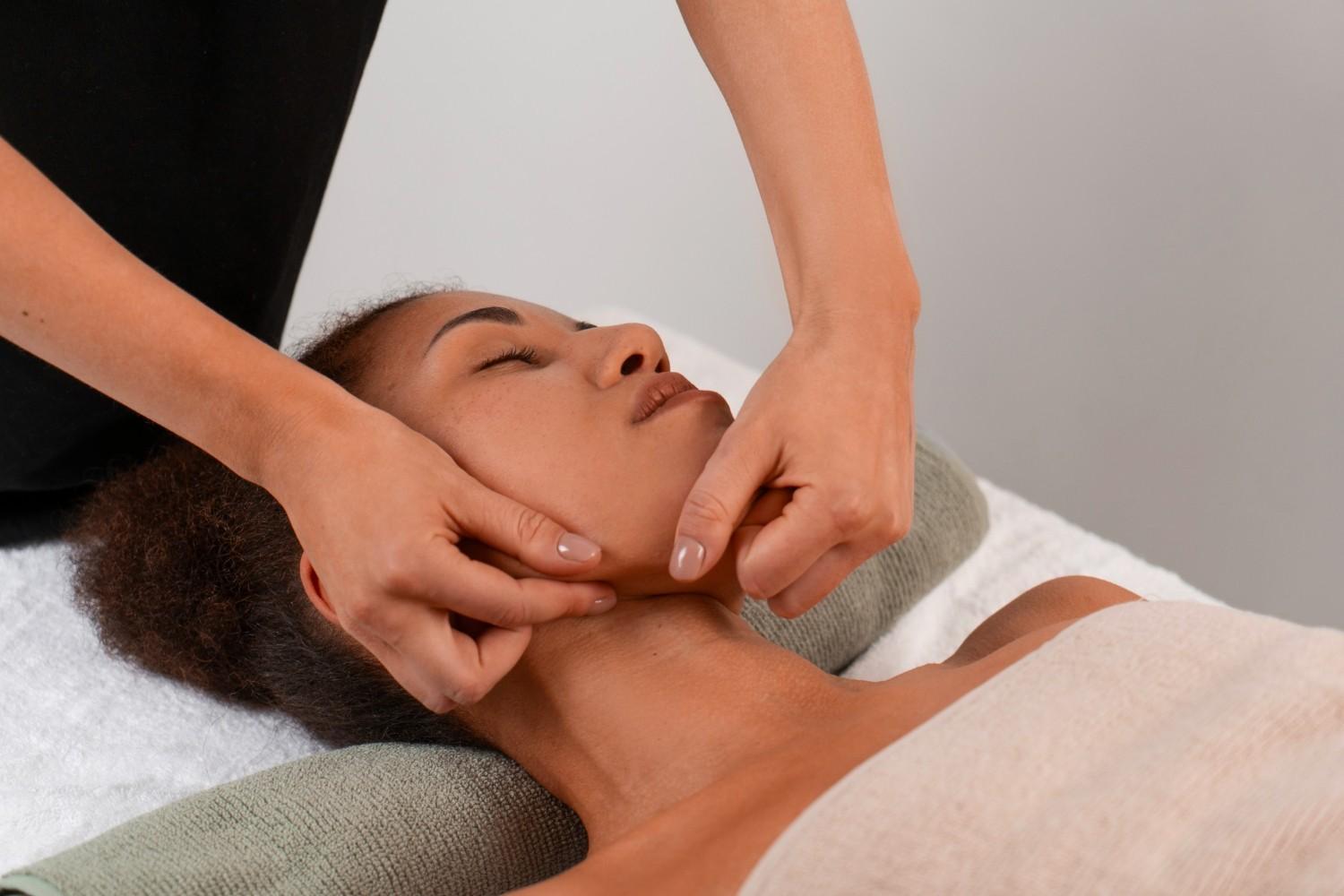

The discomfort of ear pressure can be an unsettling experience. Whether caused by changes in altitude, sinus congestion, or even stress, this sensation can lead to feelings of fullness and discomfort. Many people may reach for over-the-counter medications or nasal sprays to alleviate this pressure. However, there are natural methods that can provide relief without the need for pharmaceuticals. One such method is utilizing simple jaw massage techniques that target the muscles and tissues surrounding the ear.

The jaw is intricately connected to the ear through various anatomical structures. The temporomandibular joint (TMJ) is located just in front of the ear, and tension in this area can significantly contribute to ear pressure. By effectively massaging the jaw, individuals can help release tension, improve circulation, and encourage the drainage of fluids that may be causing discomfort. This approach not only offers a natural remedy but also promotes relaxation and well-being.
Implementing these massage techniques can be straightforward and requires minimal tools or preparation. The focus will be on specific movements that engage the jaw muscles while also allowing for a gentle release of pressure in the ears. This guide will detail practical applications, common mistakes to avoid, the underlying science, and additional considerations to enhance your experience.
Understanding how to relieve ear pressure through jaw massage can empower individuals to take control of their health. By exploring these techniques, you can discover a holistic approach to managing ear discomfort that fits seamlessly into your daily routine.
Contents
How to Use Jaw Massage for Real Results
- Best Form: Gentle pressure and circular motions
- Best Time: When experiencing discomfort or after long flights
- Expected Result: Reduction in ear pressure and improved comfort
Daily Maintenance for Ear Comfort
The Prep: Begin by finding a quiet space. Sit comfortably and ensure your hands are clean. You may want to use a small amount of massage oil or lotion to facilitate smooth movements.
The Action: Start by placing your fingers just below your cheekbones. Apply gentle pressure and make small circular motions. Gradually move towards your jawline and continue to massage. Focus on areas where you feel tension. Spend about five minutes on each side.
The Feeling: As you massage, you may feel a gentle warmth and relaxation in your jaw. The sensation can evolve into a tingling feeling as circulation improves. This can last for several minutes after you finish.
Pro Tip: Incorporate this practice into your morning routine to promote relaxation throughout the day.
Targeting Acute Discomfort
The Prep: For acute discomfort, ensure you are in a comfortable position, preferably seated or lying down. You may want to have a warm compress nearby for added relief.
The Action: Using your index and middle fingers, locate the area just in front of your ears where the jaw hinges. Apply firm pressure while moving your fingers in a circular motion. Gradually increase the pressure as tolerated. Continue for about five to eight minutes.
The Feeling: You may initially feel discomfort, but this should transition to a soothing sensation as the tension releases. The warmth from the compress can enhance this feeling, promoting relaxation.
Pro Tip: Combine this technique with deep breathing exercises to enhance relaxation and further reduce ear pressure.
The Evening Wind Down
The Prep: Create a calming environment. Dim the lights and play soft music if desired. This prepares your mind and body for relaxation.
The Action: Begin by gently massaging the sides of your neck where it meets your jaw. Move your fingers in a downward motion towards your collarbone. After a few minutes, focus back on your jaw, applying gentle pressure in circular motions. Spend about ten minutes on this routine.
The Feeling: You may notice a gradual decrease in tension, accompanied by a sense of calm. The combined massage of both the neck and jaw can create a feeling of overall relaxation that lasts well into the evening.
Pro Tip: Engage in this routine about 30 minutes before bedtime to promote better sleep quality.
Avoiding Common Pitfalls
Neglecting Consistency
Many individuals may try jaw massage techniques only once or twice, expecting immediate results. Consistency is crucial for lasting benefits. Regular practice helps to build muscle memory and allows for the gradual release of tension.
Instead of sporadic attempts, incorporate these techniques into your daily routine. Aim for at least five minutes each day. Over time, you will likely notice a significant reduction in ear pressure and improved jaw function.
Applying Excessive Force
Using too much pressure can lead to discomfort and may even exacerbate the problem. Gentle, controlled movements are more effective for releasing tension without causing pain.
Start with light pressure and gradually increase as needed. Pay attention to your body’s signals. If you feel sharp pain, reduce the pressure immediately. This will allow for a more pleasant experience while still achieving your goals.
Ignoring Breathing Techniques
Failing to incorporate deep breathing can diminish the effectiveness of your massage. Breathing deeply while massaging helps to relax the entire body and can enhance the release of tension.
Practice deep breathing by inhaling slowly through your nose and exhaling through your mouth. Synchronize your breath with your movements. This will create a more holistic approach to relieving ear pressure.
Understanding the Mechanism Behind Relief
The biological mechanism of ear pressure relief through jaw massage lies in the interconnectedness of the jaw and ear. The temporomandibular joint is situated near the ear canal, and any tension in the jaw can influence the surrounding structures. Massaging the jaw helps to release this tension, allowing for improved blood flow and drainage.
Key compounds involved in this process include myofascial release techniques. This involves the gentle manipulation of muscle and connective tissue to alleviate tightness and improve mobility. By targeting the muscles surrounding the jaw, individuals can facilitate a sense of relief that extends to the ears.
For further information on the efficacy of massage techniques, refer to this PubMed search which explores various studies and findings related to this topic.
Choosing the Right Techniques
-
Potency: Ensure that the techniques are effective for your specific needs. Not all methods work for everyone, so finding what resonates with you is essential.
-
Purity: Focus on techniques that promote genuine relaxation and do not involve harmful practices. The goal is to enhance well-being, not add stress.
-
Form: Choose a method that feels comfortable for you. Whether you prefer guided practices or self-directed techniques, select what fits best into your lifestyle.
Benefits vs Risks
| The Benefits | Potential Downsides |
|---|---|
| Promotes relaxation and reduces stress | May cause discomfort if excessive pressure is applied |
| Improves circulation in the jaw area | Not a substitute for medical treatment when needed |
| Can enhance overall ear health | Results may vary based on individual anatomy |
Integrating Healthy Habits
Maintaining a well-hydrated body can significantly impact ear health. Drinking adequate water supports overall bodily functions, including circulation and drainage.
Incorporating regular physical activity can also help. Exercise promotes blood flow and can reduce tension throughout the body, including the jaw and ear area.
Who Should Avoid This?
- Individuals with recent jaw surgery.
- People suffering from severe ear infections.
- Those with temporomandibular disorders.
- Patients on blood thinners or with bleeding disorders.
Common Questions
How long should I massage my jaw?
Aim for about five to ten minutes daily. This duration allows for effective tension release without causing strain.
Can jaw massage help with ear infections?
While it may provide temporary relief from pressure, it is not a substitute for medical treatment. Consult a healthcare professional for infections.
Is it safe to use oils during the massage?
Yes, but ensure that you are not allergic to the oil you choose. A small amount can enhance the experience.
What if I feel pain during the massage?
Stop immediately. Pain indicates that you may be applying too much pressure or that there is an underlying issue that needs attention.
Final Thoughts
Engaging in jaw massage techniques can provide a natural remedy for ear pressure relief.
- The Truth: Results may vary based on individual anatomy and technique.
- The Strategy: Regular practice is essential for optimal results.
- The Next Step: Consider integrating this technique into your daily self-care routine.
Get Your FREE Natural Health Guide!
Subscribe now and receive our exclusive ebook packed with natural health tips, practical wellness advice, and easy lifestyle changes, delivered straight to your inbox.