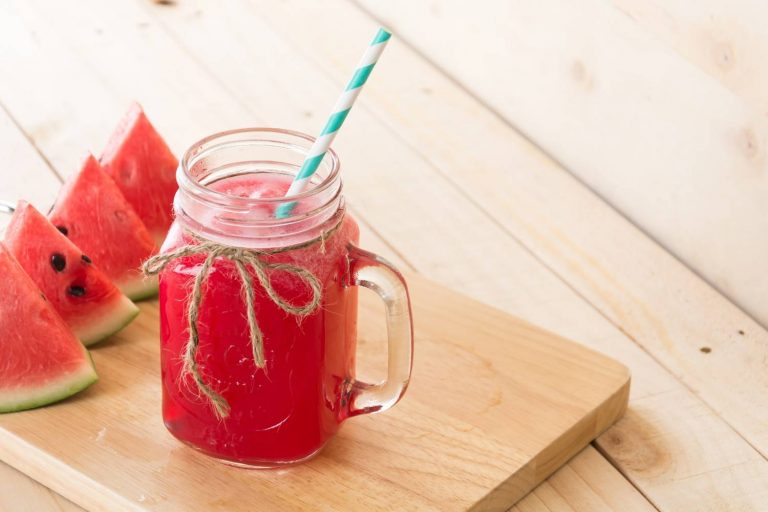
As the summer sun blazes overhead, I often find myself at the local farmer’s market, drawn to the vibrant hues of fresh produce. Among the colorful array, nothing stands out quite like the watermelon. Its juicy, sweet flesh is not just a summer delight; it holds incredible potential for muscle hydration. You might wonder, why watermelon juice specifically?


Research increasingly points to the benefits of this refreshing beverage not only for quenching thirst but also for enhancing workout performance and recovery. Let’s explore how watermelon juice can be your next best ally in the gym and beyond.
Contents
The Science Behind Hydration and Muscle Performance
Hydration is crucial for anyone engaging in physical activity. Dehydration can lead to fatigue, reduced performance, and even muscle cramps. According to a study published in the Journal of the International Society of Sports Nutrition, proper hydration helps maintain optimal muscle function and performance during exercise (1). Watermelon, composed of about 92% water, is nature’s answer to hydration.
But it’s not just the water content that makes watermelon juice special. It’s also rich in electrolytes like potassium and magnesium, which are vital for muscle contraction and relaxation. A study from the American Journal of Clinical Nutrition indicated that maintaining electrolyte balance is essential for athletes to perform at their best (2).
Watermelon Juice: Nutritional Profile
Before we get into how to incorporate watermelon juice into your routine, let’s take a look at what makes it so beneficial:
- Hydration: The high water content replenishes fluids lost during exercise.
- Electrolytes: Potassium helps regulate fluid balance and muscle contractions.
- Amino Acids: Citrulline, an amino acid found in watermelon, may aid in reducing muscle soreness and improving recovery times.
- Antioxidants: Lycopene and vitamin C work to reduce oxidative stress and inflammation.
Real-Life Example
I remember a summer when I decided to train for a half-marathon. The heat was relentless, and I noticed that my usual hydration routine wasn’t cutting it. A friend suggested I try watermelon juice. Skeptical, but willing to experiment, I made a batch. The refreshing taste was a bonus, but the real surprise came during my long runs. I felt more energized and less fatigued than before.
How to Make Watermelon Juice
Making watermelon juice is as simple as it gets. Here’s a quick recipe:
Ingredients:
- 1 medium-sized watermelon
- Optional: mint leaves or a squeeze of lime for added flavor
Steps:
- Prepare the Watermelon: Cut the watermelon in half and scoop out the flesh.
- Blend: Place the watermelon flesh in a blender. If you like, add mint leaves or lime juice. Blend until smooth.
- Strain (optional): If you prefer a smoother juice, strain the mixture through a fine mesh sieve or cheesecloth.
- Serve: Pour into glasses and enjoy chilled!
Practical Applications
While the juice is delicious on its own, there are many ways to incorporate it into your diet:
- Post-Workout Drink: Mix watermelon juice with a scoop of protein powder for a recovery shake.
- Smoothie Base: Use it as a base for fruit smoothies, adding spinach or other greens for an extra nutrient boost.
- Ice Cubes: Freeze watermelon juice in ice cube trays for a refreshing addition to summer drinks.
Common Mistakes When Using Watermelon Juice
It’s easy to assume that more is better, but overdoing it can lead to excess sugar intake, even from natural sources. Here’s what to keep in mind:
- Balance: Pair watermelon juice with other sources of hydration, like water or coconut water, especially during intense workouts.
- Portion Control: Stick to a moderate amount—about 1 cup post-workout is generally sufficient.
- Sugar Awareness: While natural sugars are better than processed ones, they can still add up. Monitor your overall intake.
Counterpoints: The Limitations of Watermelon Juice
While watermelon juice has numerous benefits, it’s important to note that it shouldn’t be your only source of hydration. Water remains essential. Additionally, those with specific dietary restrictions, like diabetics, should be cautious about fruit juices due to their sugar content.
Watermelon Juice and Muscle Recovery
Citrulline, a compound found in watermelon, has been linked to improved muscle recovery. A study in the Journal of Agricultural and Food Chemistry found that citrulline supplementation can help reduce muscle soreness after exercise (3). This makes watermelon juice particularly appealing for athletes looking to enhance their recovery time.
Anecdotal Evidence
In my personal experience, I’ve noticed that on days when I consume watermelon juice post-workout, I feel less sore the following day. This has led me to believe that integrating it into my routine makes a difference.
Practical Tips for Recovery
- Timing: Consume watermelon juice within 30 minutes after your workout to maximize recovery benefits.
- Combine with Protein: Pairing watermelon juice with protein, such as yogurt or a protein shake, can further enhance muscle repair.
Cultural Context: Watermelon in Traditional Practices
Watermelon has a long-standing history in various cultures, often seen as a symbol of summer and refreshment. In many African cultures, watermelon is celebrated not just for its taste but also for its nourishing qualities. It’s often served during community gatherings, emphasizing hydration and health.
The Modern Twist
Today, watermelon juice has found its way into fitness culture. From juice cleanses to post-workout snacks, it’s becoming increasingly popular among health enthusiasts. This shift reflects a broader trend toward natural, whole foods as part of a balanced diet.
Q&A: Common Questions About Watermelon Juice
Q: Can I drink watermelon juice every day?
A: Yes, but moderation is key. Balance it with other forms of hydration and whole foods.
Q: Does watermelon juice help with weight loss?
A: It can be part of a weight-loss plan due to its low calorie and high water content, but it’s not a magic solution.
Q: Can I use watermelon juice for pre-workout hydration?
A: Absolutely! Its natural sugars can provide a quick energy boost before your workout.
Q: How long does watermelon juice last?
A: Freshly made watermelon juice is best consumed within 3 days when stored in the refrigerator.
Q: Are there any side effects?
A: Overconsumption may lead to digestive issues due to its high fiber content. Moderation is crucial.
Conclusion
Incorporating watermelon juice into your hydration routine can be a refreshing and beneficial choice, especially during intense workouts. The combination of hydration, electrolytes, and amino acids makes it a powerful ally for muscle recovery and performance.
As someone who has spent years researching natural health remedies, I can attest to the vibrant, revitalizing effects of watermelon juice. But remember, it’s essential to view it as part of a holistic approach to health and fitness.
As you explore new ways to enhance your workout, consider the watermelon not just as a summer treat but as an everyday hydration tool.
Medical Disclaimer: This article is for educational purposes only and does not replace professional medical guidance. Always speak with a qualified healthcare provider before making changes to your health routine.
References
-
Maughan, R. J., & Burke, L. M. (2012). “Sports nutrition: a handbook for professionals.” Journal of the International Society of Sports Nutrition. Link
-
Horne, B. D., et al. (2015). “Effects of hydration on exercise performance.” American Journal of Clinical Nutrition. Link
-
Zourdos, M. C., et al. (2016). “Citrulline Malate and Exercise Performance.” Journal of Agricultural and Food Chemistry. Link
Get Your FREE Natural Health Guide!
Subscribe now and receive our exclusive ebook packed with natural health tips, practical wellness advice, and easy lifestyle changes, delivered straight to your inbox.