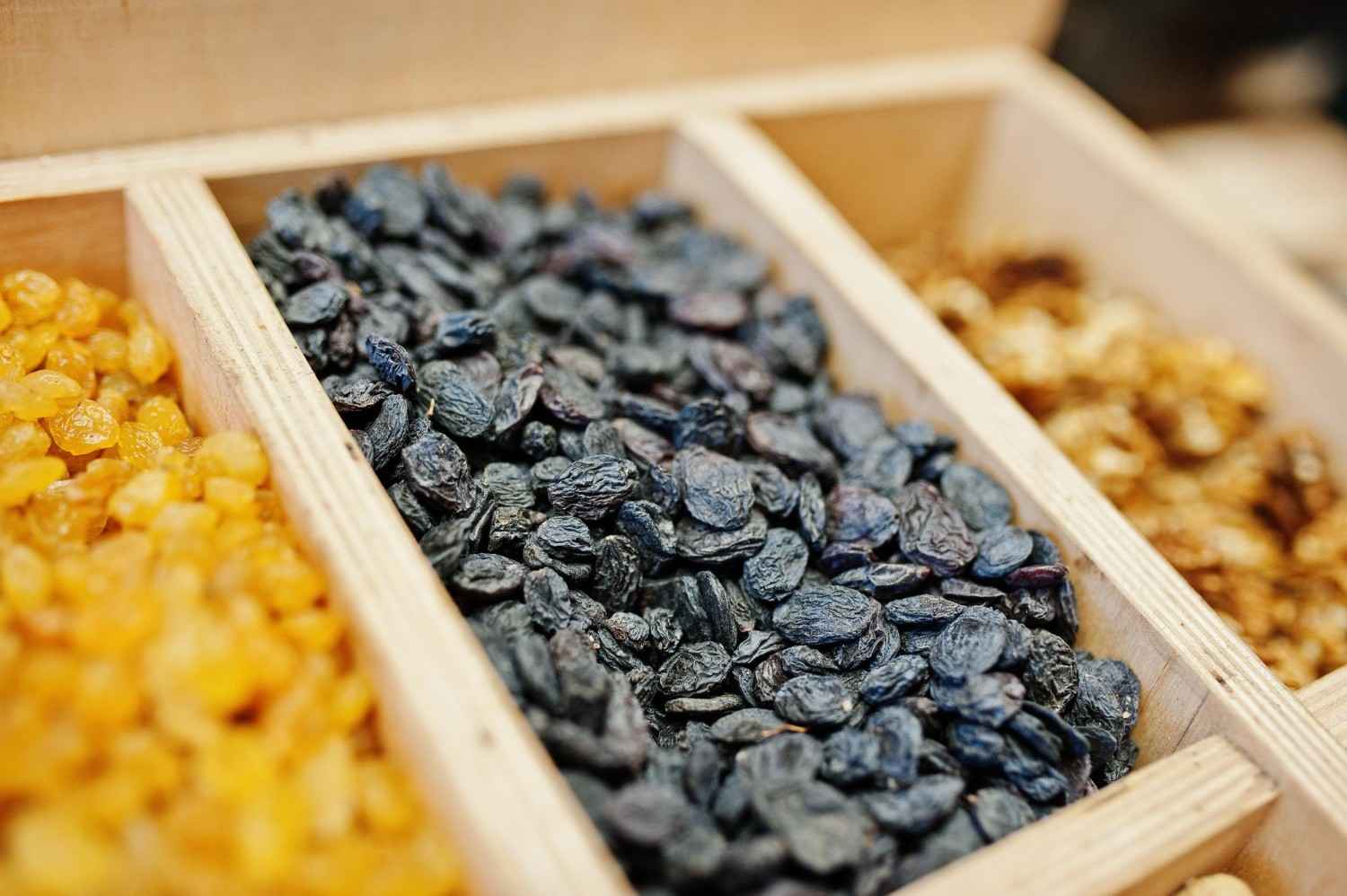

Raisins, often relegated to the status of a simple snack, have emerged as a powerful ally in the pursuit of better bone health. Many individuals are unaware that these tiny dried grapes pack a significant nutritional punch. With osteoporosis affecting millions worldwide, the need for effective dietary strategies to strengthen bones has never been more pressing. Research indicates that certain foods can significantly impact bone density and overall skeletal strength.
Bone health is influenced by a variety of factors, including dietary choices, lifestyle habits, and genetic predisposition. Calcium and vitamin D traditionally steal the spotlight when discussing bone health. However, emerging studies suggest that other nutrients, including antioxidants and certain minerals, also play critical roles in maintaining robust bones. Among these, raisins stand out due to their unique combination of nutrients that may contribute to improved bone density and overall skeletal integrity.
The journey to stronger bones can be both delicious and straightforward. Incorporating raisins into your diet can be an enjoyable experience, offering both flavor and health benefits. This guide will detail how raisins can be a sweet addition to your wellness routine, focusing on practical applications, scientific backing, and tips for maximizing their benefits.
Understanding the most effective ways to include raisins in your diet is essential for reaping their full benefits. This guide will provide actionable insights and strategies to make the most of this sweet, nutrient-dense food.
Contents
How to Use Raisins for Real Results
- Best Form: Whole raisins or raisin juice
- Best Time: Mid-morning or afternoon snack
- Expected Result: Improved bone density and strength
For Daily Protection
The Prep: Gather whole raisins, a handful of nuts, and a small container. This combination not only enhances flavor but also adds healthy fats and protein, which are beneficial for overall health.
The Action: Mix a quarter cup of raisins with a quarter cup of mixed nuts. Store this in a small container for easy access. Snack on this mixture during your mid-morning or afternoon break.
The Feeling: As you enjoy this snack, you will experience a satisfying sweetness from the raisins balanced by the crunch of the nuts. This combo provides sustained energy and a sense of fullness that lasts for hours.
Pro Tip: Consider soaking raisins in water overnight for an added moisture boost and easier digestion.
Enhancing Breakfast Bowls
The Prep: Collect oatmeal, milk or a dairy alternative, and a handful of raisins. This simple breakfast can be a powerhouse of nutrients, essential for bone health.
The Action: Prepare a serving of oatmeal as per package instructions. Once cooked, mix in a handful of raisins and a splash of milk. Stir to combine and let it sit for a few minutes to allow the flavors to meld.
The Feeling: The warm oatmeal, combined with the sweet, chewy raisins, creates a comforting breakfast experience. You will feel nourished and energized, setting a positive tone for the day.
Pro Tip: Add a sprinkle of cinnamon for an extra flavor boost and additional antioxidant properties.
The Sweet Salad Addition
The Prep: Gather fresh greens, your choice of vegetables, and a handful of raisins. This versatile ingredient can elevate any salad, making it not just nutritious but also flavorful.
The Action: Start with a base of mixed greens. Top with your favorite chopped vegetables, such as cucumbers and bell peppers. Scatter a handful of raisins on top and drizzle with a light vinaigrette.
The Feeling: The combination of fresh greens and the sweet burst of raisins creates a delightful contrast. You will enjoy a refreshing crunch that is both satisfying and filling.
Pro Tip: Pair with a protein source like grilled chicken or chickpeas to create a more balanced meal.
Common Mistakes to Avoid
Choosing Low-Quality Raisins
Selecting low-quality raisins can undermine the health benefits they offer. Some commercially available raisins may contain added sugars or preservatives that detract from their natural nutritional value. These additives can contribute to inflammation and counteract the positive effects raisins can have on bone health.
Opting for organic or minimally processed raisins is crucial. Organic varieties are typically free from harmful chemicals and retain more of their natural antioxidants. Always read ingredient labels to ensure you are choosing high-quality options that provide maximum benefits.
Neglecting Portion Control
Overindulging in even the healthiest foods can lead to unintended consequences. Raisins, while nutritious, are calorie-dense due to their sugar content. Consuming them in excessive amounts can lead to weight gain, which places additional stress on the skeletal system.
A sensible approach is to limit portions to a small handful, approximately 1.5 ounces, per serving. This allows you to enjoy their sweetness while keeping calorie intake in check. Incorporating them into balanced meals helps maintain portion control and enhances overall nutrition.
Ignoring Dietary Variety
Focusing solely on raisins for bone health can lead to nutritional imbalances. While they are beneficial, relying exclusively on one food can limit the range of nutrients your body receives. Other fruits, vegetables, and whole grains also play vital roles in supporting bone density.
Aim to incorporate a wide variety of foods into your diet. Complement raisins with sources rich in calcium and vitamin D, such as dairy products, leafy greens, and fortified foods. This holistic approach ensures you receive a comprehensive range of nutrients essential for optimal bone health.
The Biological Mechanism of Bone Health
Raisins contribute to bone health primarily through their rich antioxidant content. Antioxidants help combat oxidative stress, which can weaken bone structure. The polyphenols found in raisins have been linked to increased bone density and strength. These compounds work at the cellular level, promoting the formation of osteoblasts, the cells responsible for bone formation.
Calcium and magnesium are two essential minerals found in raisins. These minerals play critical roles in bone mineralization and maintenance. Calcium provides the structural foundation of bones, while magnesium supports calcium absorption and metabolism. Together, they help maintain bone density and reduce the risk of fractures.
Research supports the positive impact of raisins on bone health. A study published in the journal “Nutrition Research” found that regular consumption of raisins significantly increased bone mineral density among participants. This highlights the potential of raisins as a dietary strategy for preventing osteoporosis and promoting skeletal strength. For more in-depth research, visit PubMed.
Choosing the Right Product
– **Potency:** High-potency raisins, free from additives, ensure maximum nutritional value. This is essential for obtaining the full spectrum of health benefits.
-
Purity: Opt for organic raisins that are free from pesticides and other harmful chemicals. This guarantees a cleaner product that supports overall health.
-
Form: Whole raisins are preferable over processed forms like raisin paste or juice. They retain more fiber and nutrients, contributing to better digestion and satiety.
Benefits vs Risks
| The Benefits | Potential Downsides |
|---|---|
| Rich in antioxidants that promote bone health | High in natural sugars, which may lead to weight gain if consumed excessively |
| Source of essential minerals like calcium and magnesium | Some individuals may experience digestive discomfort if consuming large amounts |
| Versatile ingredient that can enhance various dishes | May contain added sugars or preservatives in lower-quality brands |
Healthy Lifestyle Habits
Incorporating regular weight-bearing exercises into your routine can significantly enhance bone health. Activities like walking, jogging, or resistance training stimulate bone formation and improve density.
Maintaining adequate hydration is equally important. Water supports overall health and aids in the absorption of nutrients necessary for bone strength. Aim to drink sufficient fluids throughout the day to support optimal metabolic function.
Who Should Avoid This?
– Individuals with a history of kidney stones, as raisins are high in oxalates.
– Those with diabetes should monitor their intake due to the natural sugar content.
– Anyone experiencing digestive issues should start with small amounts to assess tolerance.
Common Questions
Are raisins better than fresh grapes for bone health?
Raisins are more concentrated in nutrients than fresh grapes, making them a powerful option for bone health.
How many raisins should I eat daily?
A handful, approximately 1.5 ounces, is recommended for optimal benefits without excessive calorie intake.
Can I include raisins in my smoothies?
Absolutely. Raisins can add natural sweetness and nutritional value to smoothies while enhancing flavor.
Are there any side effects of eating raisins?
Excessive consumption can lead to digestive discomfort due to their high fiber content. Moderation is key.
The Bottom Line
Raisins can be a delightful addition to your diet for stronger bones.
- The Truth: They should complement a balanced diet for optimal benefits.
- The Strategy: Include them as part of snacks or meals throughout the day.
- The Next Step: Consider incorporating weight-bearing exercises into your routine.
Get Your FREE Natural Health Guide!
Subscribe now and receive our exclusive ebook packed with natural health tips, practical wellness advice, and easy lifestyle changes, delivered straight to your inbox.