Quiet Your Mind By Avoiding Blue Light For Stress Sleep
I feel the weight of a long day settle into my shoulders as the evening hours stretch toward midnight. My brain often races through a mental checklist while the glow from my smartphone keeps me tethered to the stresses of the day. Achieving restful sleep requires a conscious decision to shift away from digital stimulation long before my head hits the pillow.
Many of us unknowingly disrupt our internal clocks by exposing ourselves to artificial illumination during the late hours. This persistent glow tricks the body into thinking the sun remains high in the sky. By making simple adjustments to our nighttime environment, we can help our minds settle into a state of calm readiness for rest.
Quiet your mind by avoiding blue light for stress sleep to regulate your circadian rhythm and signal to your brain that the day has ended. Dimming screens and turning off overhead bulbs two hours before bed effectively lowers cortisol production. This change allows for a natural transition into deep sleep without the lingering hum of mental exhaustion.
Key Takeaways
- Short-wavelength light suppresses melatonin production by up to 50 percent during evening exposure.
- The human circadian cycle naturally shifts toward a 24.2-hour rhythm when shielded from artificial stimuli.
- Dimming home lights to below 30 lux creates an environment conducive to biological sleep preparation.
Scientific Foundations Of Avoiding Blue Light For Stress Sleep
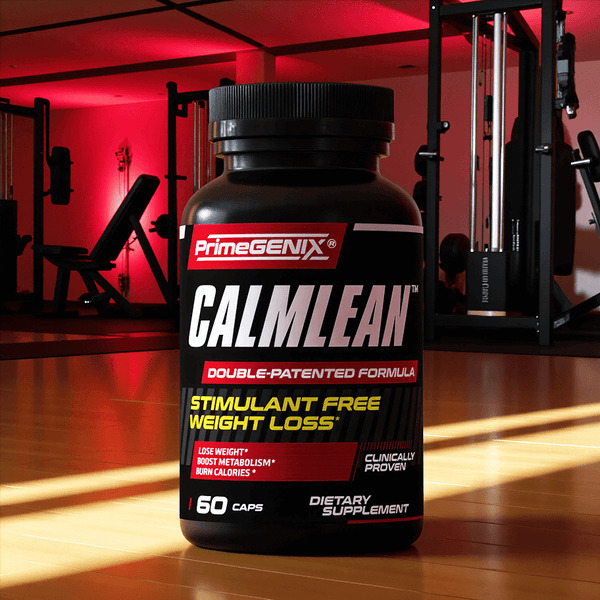
CalmLean™ Stimulant-Free Metabolism Support
- Engineered with ForsLean® to support metabolic baseline without caffeine
- 100% stimulant-free formulation avoids energy crashes and jitters
- Manufactured in a cGMP-compliant, FDA-registered facility
The eyes contain specialized cells known as intrinsically photosensitive retinal ganglion cells. These cells transmit signals directly to the master clock in the brain. They monitor the intensity and color temperature of the light hitting your retina throughout the day.
Exposure to specific wavelengths during the evening forces these cells to suppress the release of the hormone melatonin. Melatonin is the primary chemical messenger that prepares the body for rest. Research from the National Institutes of Health indicates how environmental cues dictate our internal timing.
When the brain receives high-intensity input after sunset, it misinterprets the signal as a reason to remain alert. This creates a state of physiological agitation. Keeping the environment dim effectively resets this signal and allows for a smooth descent into sleep.
The Biological Impact Of Nighttime Stimulation
Your endocrine system relies on external light cues to manage the transition between active and dormant states. When you stare at devices, the sharp spectrum of light enters your eyes and prevents the natural dip in core body temperature. A lower core temperature is required to maintain deep sleep cycles.
| Stimulus Type | Biological Effect | Sleep Impact |
| Cool spectrum light | Melatonin suppression occurs | Delayed sleep onset |
| Warm dim light | Melatonin production resumes | Increased sleep quality |
| Total darkness | System recovery begins | Deeper restorative rest |
Consider the contrast between a bright screen and a dimly lit room. The brain experiences a surge of activity when processing high-contrast images on a mobile device. This constant demand for focus prevents the mental deceleration necessary for quality downtime.
Practical Steps For Managing Evening Illumination
You can manage your home environment by setting specific boundaries for light exposure. Start by installing warmer-toned bulbs in your bedroom lamps. These bulbs lack the high-frequency spectrum found in standard daylight fixtures.
- Install dimmer switches to control the overall brightness of your living area during the late evening.
- Utilize hardware settings on all your devices to shift the color temperature toward the warmer end of the spectrum automatically.
- Physical barriers such as light-blocking curtains prevent outdoor city illumination from affecting your indoor space.
Evidence from the Centers for Disease Control shows that consistent routines support healthy rest patterns. Developing a ritual that avoids bright displays creates a psychological buffer against external pressures. This buffer is vital for people who face significant daily work stress.
Calculation For Your Nightly Wind-Down
Creating a consistent schedule requires a simple calculation based on your ideal wake-up time. Aim for a window of two hours without screens before your target sleep hour. If your goal is to sleep by 11 PM, your screen-free period starts at 9 PM.
Calculate the total hours available between your last task and your rest period. If you spend one hour commuting and one hour eating, ensure these hours occur away from backlit displays. Prioritize tactile hobbies during this specific block of time.
Consistency is more important than perfect execution. A deviation of fifteen minutes is acceptable but try to keep the start time stable. This stability reinforces the habit loops your brain creates to prepare for rest.
Environment Adjustments For Home Offices
Many individuals work in the same space where they aim to relax. This proximity makes it difficult to separate professional tasks from personal calm. You must designate a clear transition point when the workday ends.
Use portable lamps to delineate your space after dark. Switch off the primary overhead light as soon as you conclude your final task. This physical action signals to your brain that the productive portion of your day is finished.
According to research from academic sources, light management is a foundation for metabolic health. Keep your workspace orderly to prevent mental clutter from lingering after hours. A clean desk promotes a clean state of mind.
Frequently Asked Questions
Why does dimming the house improve overall relaxation levels?
Dimming your home environment mimics the natural progression of sunset which helps your nervous system transition into a parasympathetic state. This shift away from high-contrast illumination lowers the intensity of sensory input received by your visual cortex. By reducing this constant stream of information, your brain naturally stops focusing on external stimuli and begins the process of preparing for recovery.
When the visual system rests, the entire body experiences a drop in autonomic arousal. This state of low stimulation allows for a decrease in heart rate and blood pressure. You feel the physical difference as your muscles loosen and your thoughts stop looping over the day’s events.
Can warm-toned lamps replace the need for total darkness?
Warm-toned lamps are an effective compromise for those who find complete darkness uncomfortable or impractical. While they do not provide the same environment as absolute pitch-blackness, they eliminate the blue-heavy spectrum that acts as a primary disruptor to the circadian cycle. These lamps create a soft, gentle ambient glow that keeps the brain from receiving an alert signal.
The goal is to provide enough illumination for safe movement without triggering a wakeful state. Using floor lamps rather than ceiling fixtures also helps, as lower light sources appear less intense to the eyes. This creates a cozy, enclosed feeling that invites calm rather than alertness.
How long does the body take to adapt to a lower-light routine?
Most individuals experience a noticeable improvement in sleep latency after three to five days of consistent light management. Your biological clock is remarkably adaptable and will synchronize with your new evening habits quite rapidly. You will find it easier to fall asleep because your natural melatonin levels are finally allowed to rise as intended.
Consistency over the first week is crucial for this recalibration to take hold. If you revert to late-night screen use, the internal rhythm will struggle to maintain its improved efficiency. Treat the first week as a training period for your nervous system.
Are there specific colors to avoid in the evening besides standard blue?
The primary concern is the specific light wavelength often found in modern LED screens, but you should also be mindful of extreme contrast. High-intensity bright white light, regardless of its origin, signals daytime activity to the brain. Even if a light is not technically blue, a very high-intensity white bulb can mimic the noon sun.
Stick to soft amber, orange, or deep red tones for your evening lighting. These colors are far less disruptive to your natural hormonal balance. They provide a calm visual aesthetic that supports your goal of winding down.
Should I use specialized glasses to block artificial light?
Filtering glasses offer a helpful solution for individuals who cannot avoid screen time entirely during the evening. These lenses are designed to physically block the high-frequency waves that penetrate the eye and inhibit melatonin production. They can be a practical tool if you must finish a presentation or interact with digital media late at night.
Wear them for the full duration of your work task and for at least thirty minutes afterward. This allows your system to maintain its readiness for sleep even if you were previously engaged in taxing work. They act as a helpful barrier against the digital fatigue of modern life.
The Bottom Line
Quiet your mind by avoiding blue light for stress sleep to create the foundation for restorative rest. By controlling your evening environment, you support your body’s natural hormonal flow. This simple lifestyle adjustment brings significant benefits to your daily recovery.
Start by dimming your overhead lights one hour earlier this evening and notice how your mind settles. Observe the difference in your ability to disconnect from the day’s pressures.
This information is intended for educational purposes only. People with diagnosed sleep disorders or chronic health conditions should exercise caution. Never stop or change any medication without consulting the provider who recommended it. Consult a licensed healthcare provider before starting any new wellness routine.
Get Your FREE Natural Health Guide!
Subscribe now and receive our exclusive ebook packed with natural health tips, practical wellness advice, and easy lifestyle changes, delivered straight to your inbox.