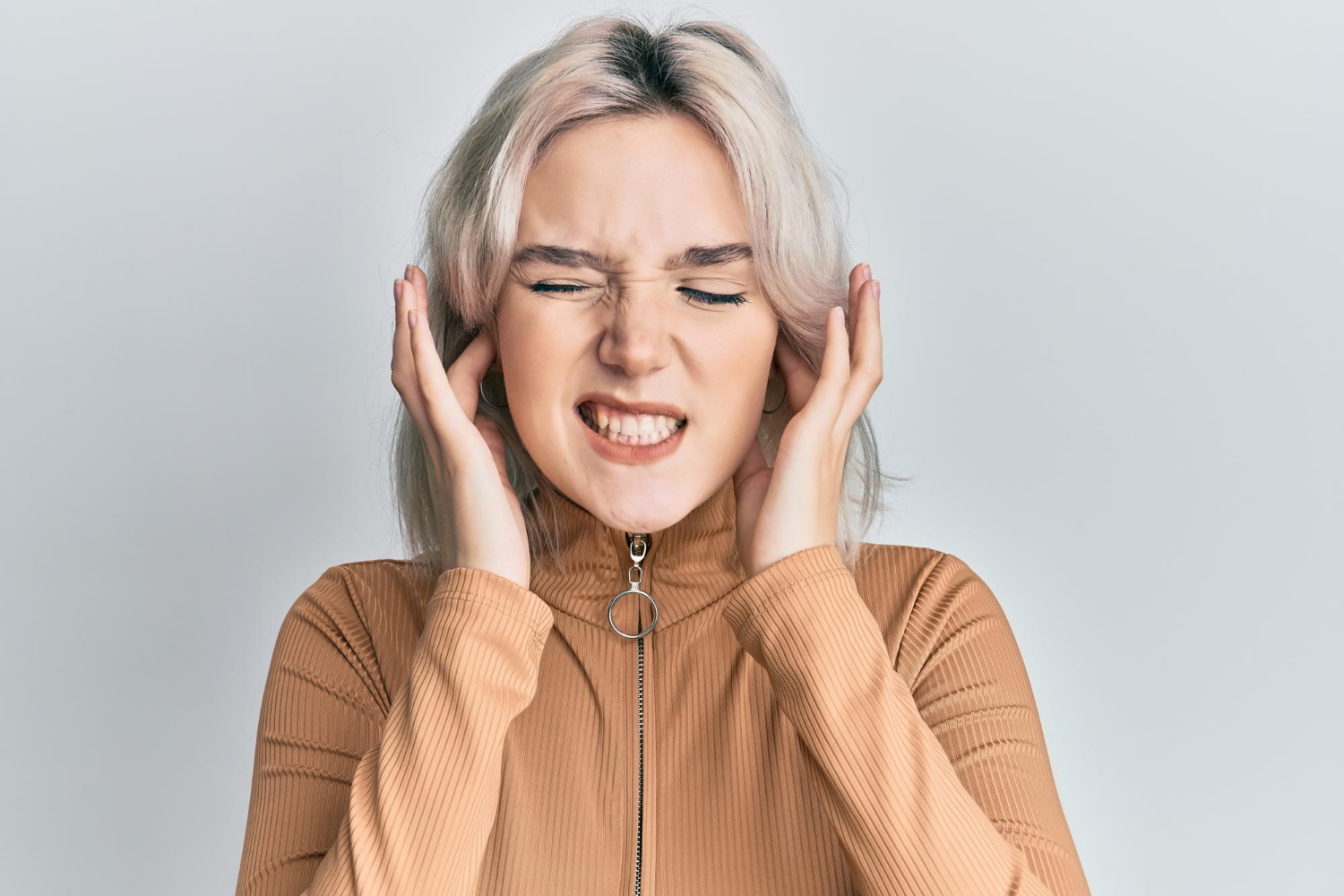

Hearing loss is a pervasive issue that can significantly impact quality of life. Many individuals unknowingly expose themselves to loud noises that gradually damage their auditory pathways. This damage often leads to irreversible hearing impairments. Protecting your hearing is not just about avoiding loud environments but also about understanding the daily habits that contribute to noise exposure.
Awareness of sound levels in daily life is crucial for preserving hearing health. Sounds above 70 decibels can be harmful over extended periods, while sounds above 85 decibels can cause immediate damage. Everyday situations, such as using power tools, attending concerts, or even listening to music at high volumes, can inflict lasting harm if proper precautions are not taken. The solution lies in proactive measures to minimize exposure to these harmful sound levels.
Adopting simple strategies can create a significant difference in hearing preservation. From using ear protection in noisy environments to adjusting personal audio settings, every small change contributes to long-term auditory health. Understanding how to navigate and modify daily routines can empower individuals to take control of their hearing safety.
Exploring the impact of noise on hearing is essential. By identifying common sources of loud noise and implementing protective measures, individuals can effectively safeguard their hearing. The following sections delve deeper into practical applications, common mistakes, the science behind hearing preservation, and lifestyle adjustments that can enhance auditory health.
Contents
How to Use Sound Awareness for Real Results
- Best Form: Earplugs or noise-canceling headphones
- Best Time: During exposure to loud environments
- Expected Result: Reduced risk of hearing damage
For Daily Protection
The Prep: Choose high-quality earplugs or noise-canceling headphones designed to reduce sound levels. Ensure they fit comfortably in the ear or over the ear. Familiarize yourself with how to properly insert or wear them for maximum effectiveness.
The Action: Before entering a loud environment, such as a concert or construction site, insert the earplugs or wear the headphones. Make sure they create a seal around the ear to block out as much sound as possible. If using earplugs, push them in gently to fit snugly. Regularly check the fit during use.
The Feeling: Wearing earplugs or headphones may create a sensation of pressure in the ears, which is normal. The background noise will diminish significantly. Expect to feel a sense of relief from the overwhelming sounds around you. This can last as long as you are in the noisy environment.
Pro Tip: Always keep a pair of earplugs handy in your bag or car for unexpected loud situations.
Targeting Acute Noise Exposure
The Prep: Identify specific situations where sudden loud noises occur, such as fireworks displays or sporting events. Prepare by having specialized ear protection, like custom-fit earplugs, ready for use.
The Action: When you know you will be exposed to loud, sudden noises, put in the earplugs or wear earmuffs before the noise begins. This proactive approach minimizes sound exposure right from the start. Make sure to wear them consistently during the event.
The Feeling: As the loud noises occur, you will notice a significant reduction in the intensity of the sound. This reduction can prevent the startling sensation often associated with sudden loud bangs. Expect the sensation of muffled sounds, which will help maintain comfort during the event.
Pro Tip: If attending events regularly, consider investing in custom earplugs tailored to your ear shape for optimal comfort and effectiveness.
The Nighttime Routine
The Prep: Create a calming environment for sleep by using white noise machines or soft music at a low volume. Prepare earplugs for nights when external noises may disrupt sleep, such as traffic or neighbors.
The Action: Set up the white noise machine or play soft music before bedtime. If you anticipate disruptive noises, insert the earplugs before falling asleep. This will help drown out sudden sounds that may wake you during the night.
The Feeling: You may feel a soothing effect from the white noise, creating a barrier against disruptive sounds. Earplugs will create a sense of quiet, making it easier to drift into a deep sleep. The calming atmosphere can enhance relaxation and improve overall sleep quality.
Pro Tip: Experiment with different types of white noise to find what works best for your sleep environment.
Common Pitfalls in Hearing Protection
Ignoring Volume Levels
Many individuals fail to monitor the volume of personal audio devices. Listening to music or podcasts at high volumes can lead to gradual hearing loss. It is essential to be mindful of sound levels, especially with headphones that can amplify sound.
To combat this, consider using volume-limiting headphones or settings on devices. Keeping the volume at a safe level, usually below 60 percent of maximum volume, can significantly reduce the risk of damage. Regular breaks from listening can also help maintain hearing health.
Neglecting Protective Gear
Some individuals may overlook the importance of wearing ear protection in noisy environments. Whether at concerts, construction sites, or during household projects, failing to use earplugs or earmuffs can lead to significant auditory damage.
To prevent this mistake, always have ear protection readily available. Make it a habit to use them in any loud situation. Educating friends and family about the importance of hearing protection can also foster a culture of safety during events or activities.
Underestimating Environmental Noise
Many do not recognize that everyday environments can expose them to harmful noise levels. Common places like restaurants, public transport, or even busy streets can reach dangerous decibel levels over time.
To mitigate this, assess your environment regularly. Seek quieter spaces when possible, or use earplugs in particularly loud areas. Awareness of noise pollution in daily life can empower individuals to take action and protect their hearing proactively.
The Mechanisms Behind Hearing Preservation
Understanding the biological mechanisms behind hearing loss can inform better protective strategies. The inner ear contains tiny hair cells that convert sound waves into electrical signals for the brain. Prolonged exposure to loud noises can damage these cells, leading to irreversible hearing loss.
Key compounds involved in hearing health include antioxidants that protect the auditory system from oxidative stress. Nutrients such as magnesium and vitamins A, C, and E have been shown to play a role in maintaining auditory function. Incorporating foods rich in these nutrients can support overall hearing health.
Clinical studies indicate that consistent exposure to loud noise is linked to permanent hearing damage. Research shows that individuals exposed to sounds above 85 decibels for extended periods are at a higher risk for noise-induced hearing loss. For more detailed insights, refer to PubMed for relevant studies.
Choosing the Right Hearing Protection
- Potency: Ensure that the ear protection adequately reduces sound levels. Higher decibel reduction ratings are essential for environments with extreme noise.
- Purity: Look for products made from non-toxic materials. Low-quality earplugs or headphones can lead to irritation or allergic reactions.
- Form: Choose between earplugs and earmuffs based on comfort and the specific noise exposure level. Earmuffs may be better for prolonged use, while earplugs are more discreet for everyday situations.
Benefits vs Risks
| The Benefits | Potential Downsides |
|---|---|
| Reduces risk of permanent hearing loss | Can feel uncomfortable if worn for long periods |
| Enhances overall quality of life by preserving auditory function | May isolate you from surrounding sounds |
| Helps maintain social interactions without strain | Initial cost of quality ear protection may be higher |
Habits for Hearing Health
Incorporating regular hearing check-ups into your routine can help identify potential issues early. Scheduling visits with an audiologist can provide insight into auditory health and preventative measures.
Practicing mindfulness in noisy environments can also enhance awareness. Taking note of sound levels and making conscious decisions to protect your hearing can foster a proactive attitude toward auditory wellness.
Who Should Avoid This?
- Individuals with existing auditory conditions.
- Those who have had ear surgeries or infections.
- People experiencing sensitivity to sound.
- Children under the age of 12 without adult supervision.
Common Questions
How loud is too loud?
Sounds above 85 decibels can cause hearing damage over time. It is advisable to limit exposure to these sound levels.
Can I reverse hearing loss?
Once hearing loss occurs, it is typically irreversible. However, protective measures can prevent further damage.
What are the best types of ear protection?
High-fidelity earplugs and noise-canceling headphones are effective for reducing sound levels without sacrificing sound quality.
How can I improve my overall hearing health?
Incorporating a diet rich in antioxidants and scheduling regular hearing assessments can help maintain auditory health.
The Final Thoughts
Protecting your hearing is a continuous commitment that pays off in the long run.
- The Truth: Many people are unaware of the dangers of everyday noise exposure.
- The Strategy: Being proactive about hearing protection in loud environments is essential.
- The Next Step: Make it a habit to carry ear protection wherever you go.
Get Your FREE Natural Health Guide!
Subscribe now and receive our exclusive ebook packed with natural health tips, practical wellness advice, and easy lifestyle changes, delivered straight to your inbox.